Touchscreen Glove Manufacturer
Knit Touchpoint
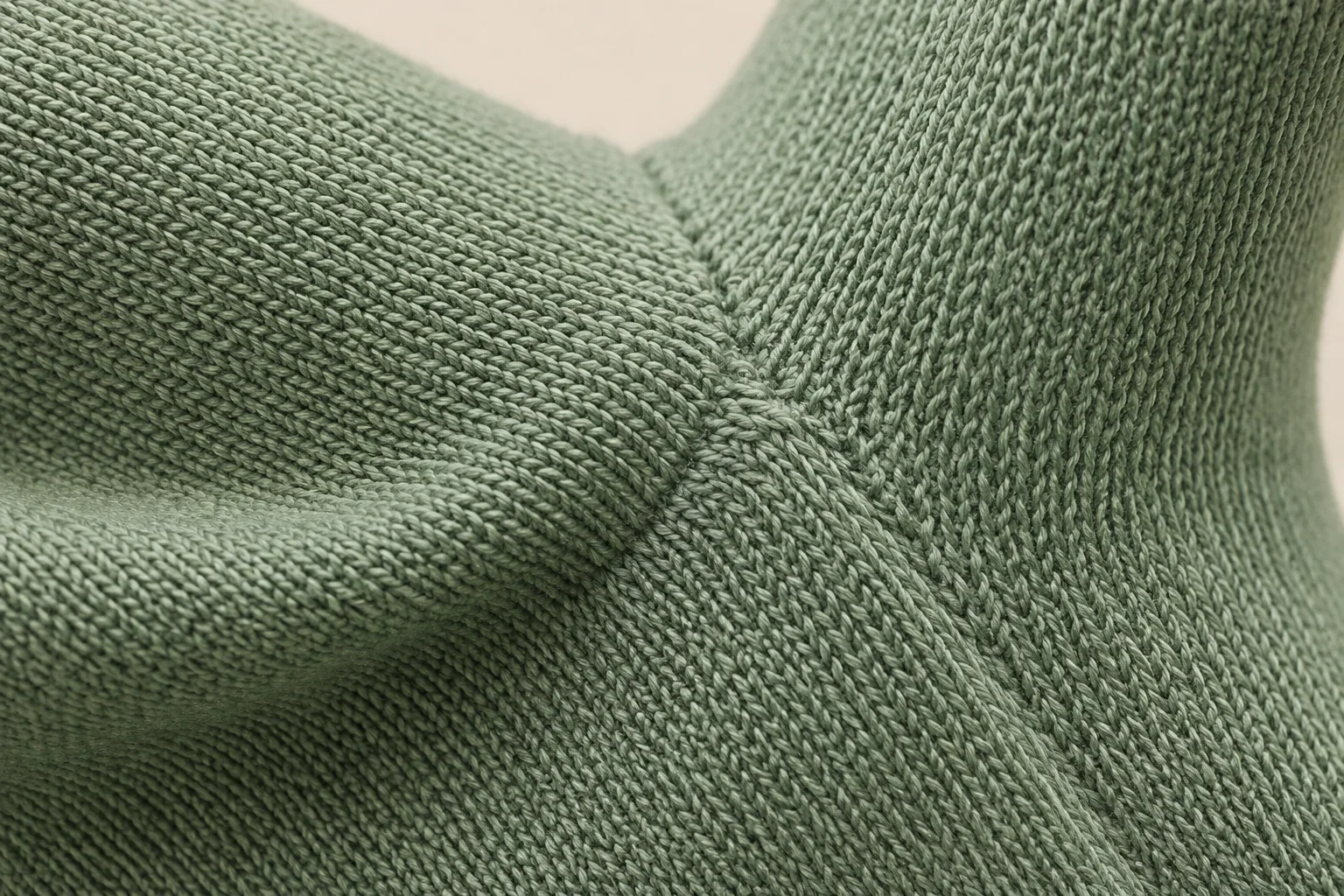
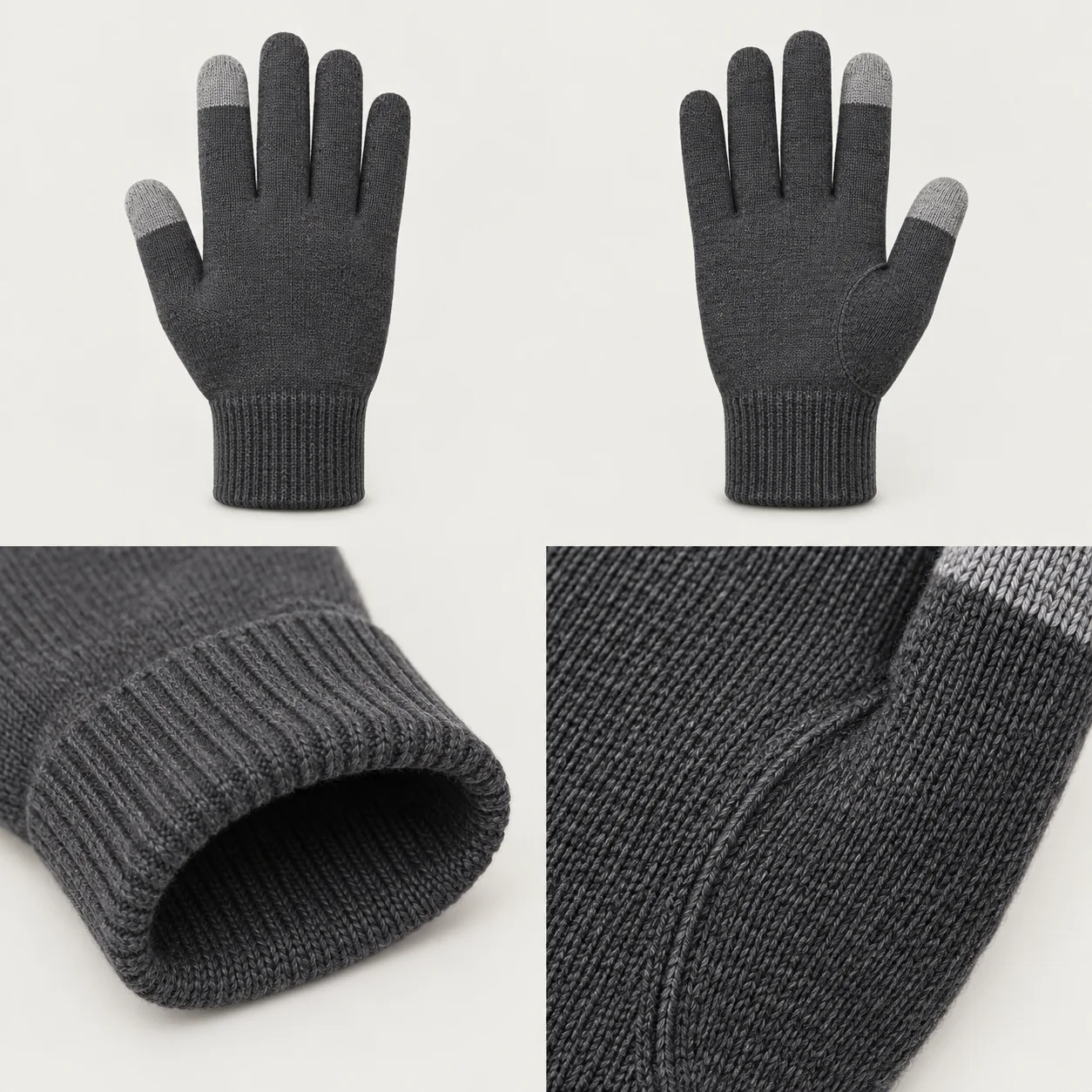
Knit body / thumb and index zones
OEM & private label collection
Develop private label touchscreen gloves from a knit, fleece or mixed-material base. Define conductive areas and evaluate the agreed device interactions on the complete sample.
Developed in our own factory for business buyers. The collection introduces material and construction possibilities; your brief can extend beyond the styles shown.
Make the shortlist
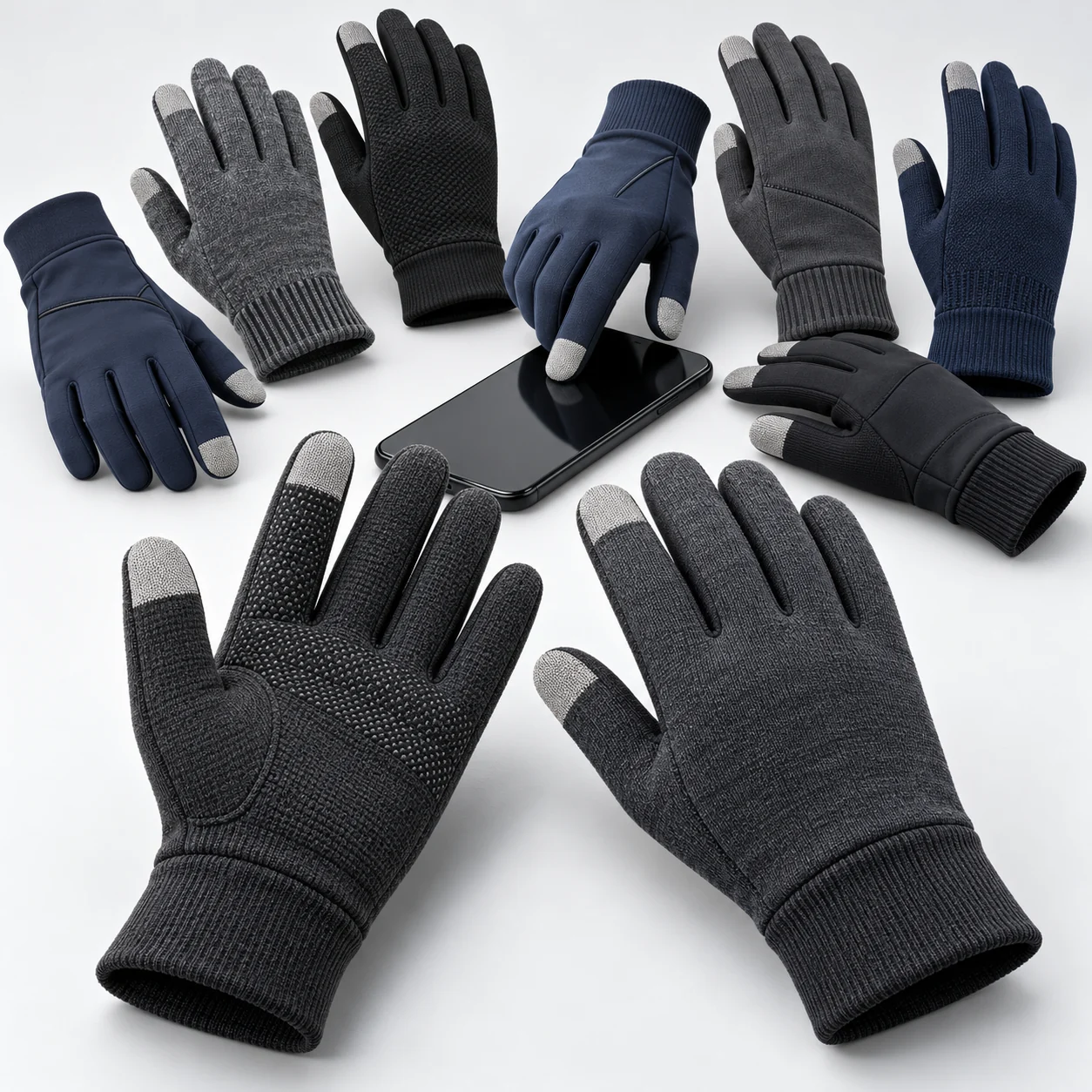
Set the knit or sewn base, intended fit and contact zones. Agree the device interactions to assess on the actual sample.
A visible fingertip contrast alone does not settle function. If contact performance is not part of the brief, compare the equivalent base-material collection.
Compare the construction choicesSelected development directions
Compare base constructions and contact-zone placement; agree how the sample will be assessed.
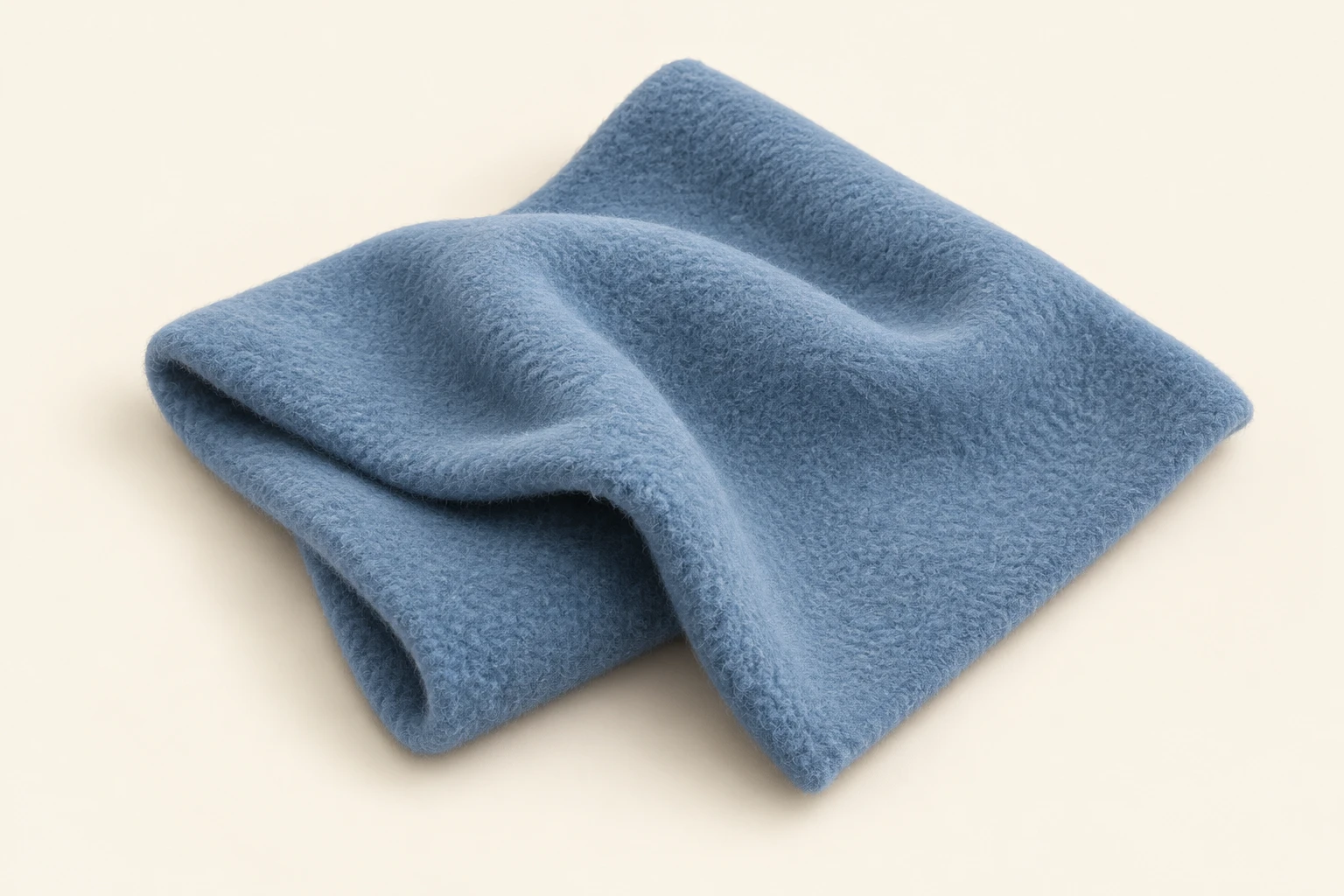
Knit body / thumb and index zones
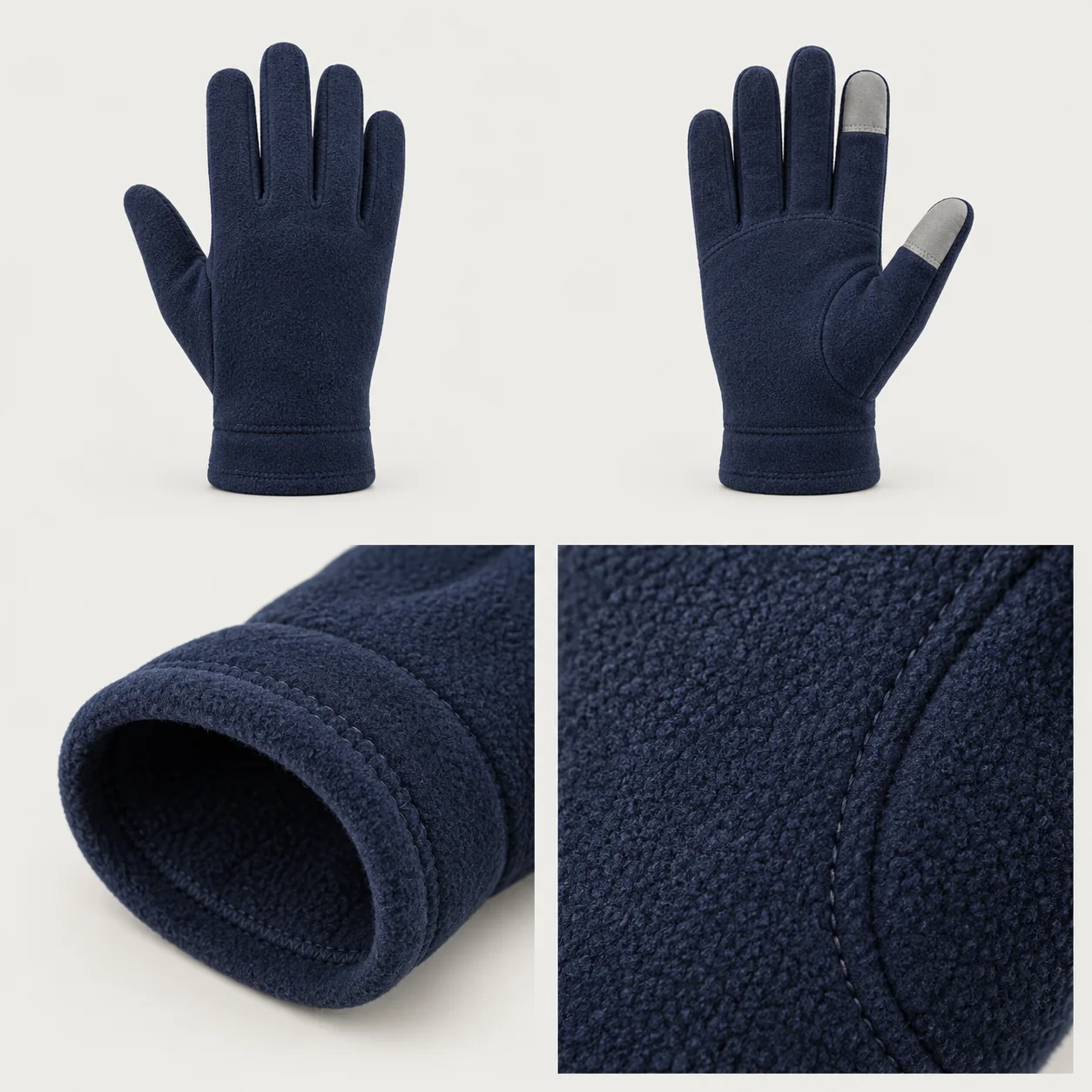
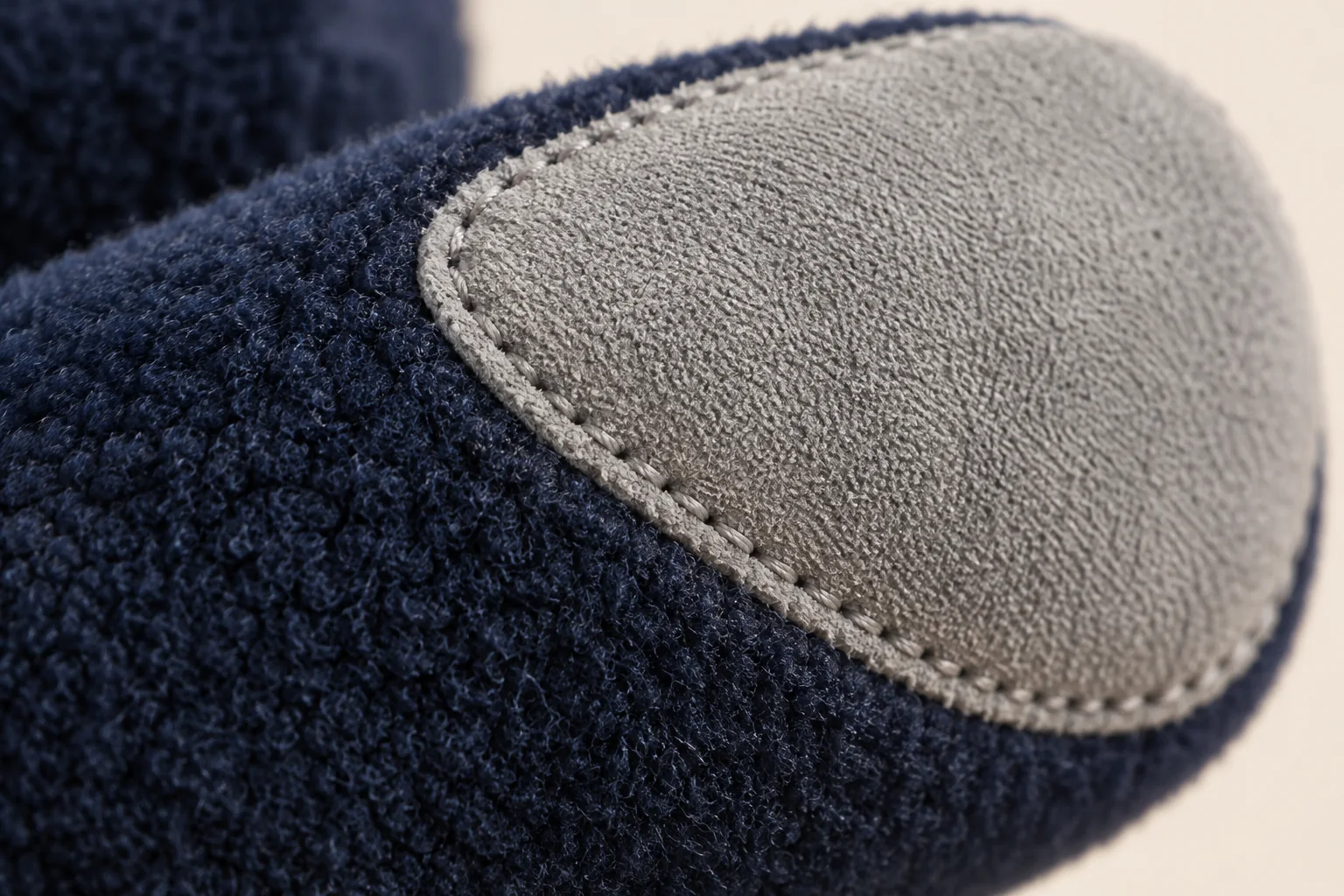
Fleece panels / fingertip contact patches
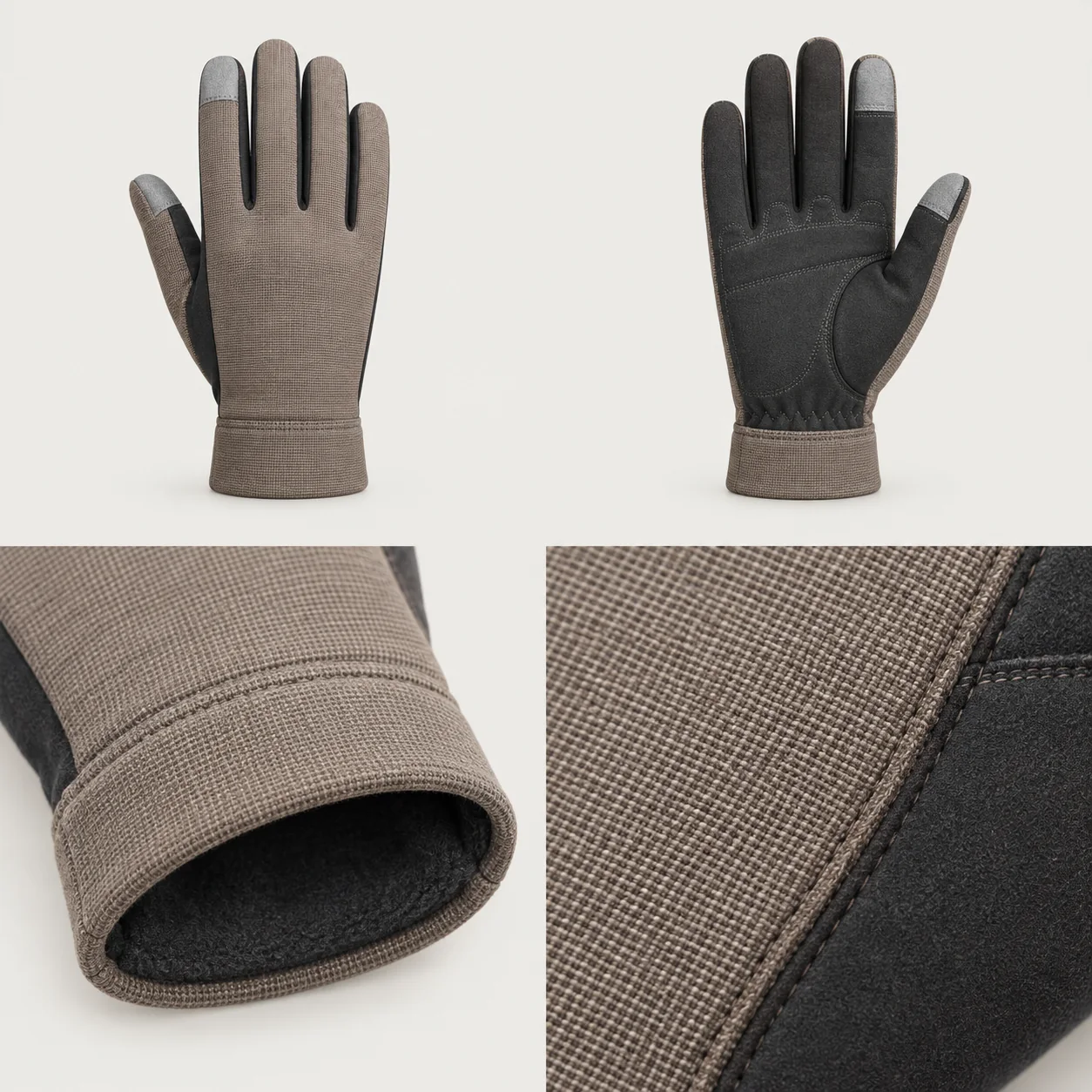
Textile back / contrast palm / contact patches
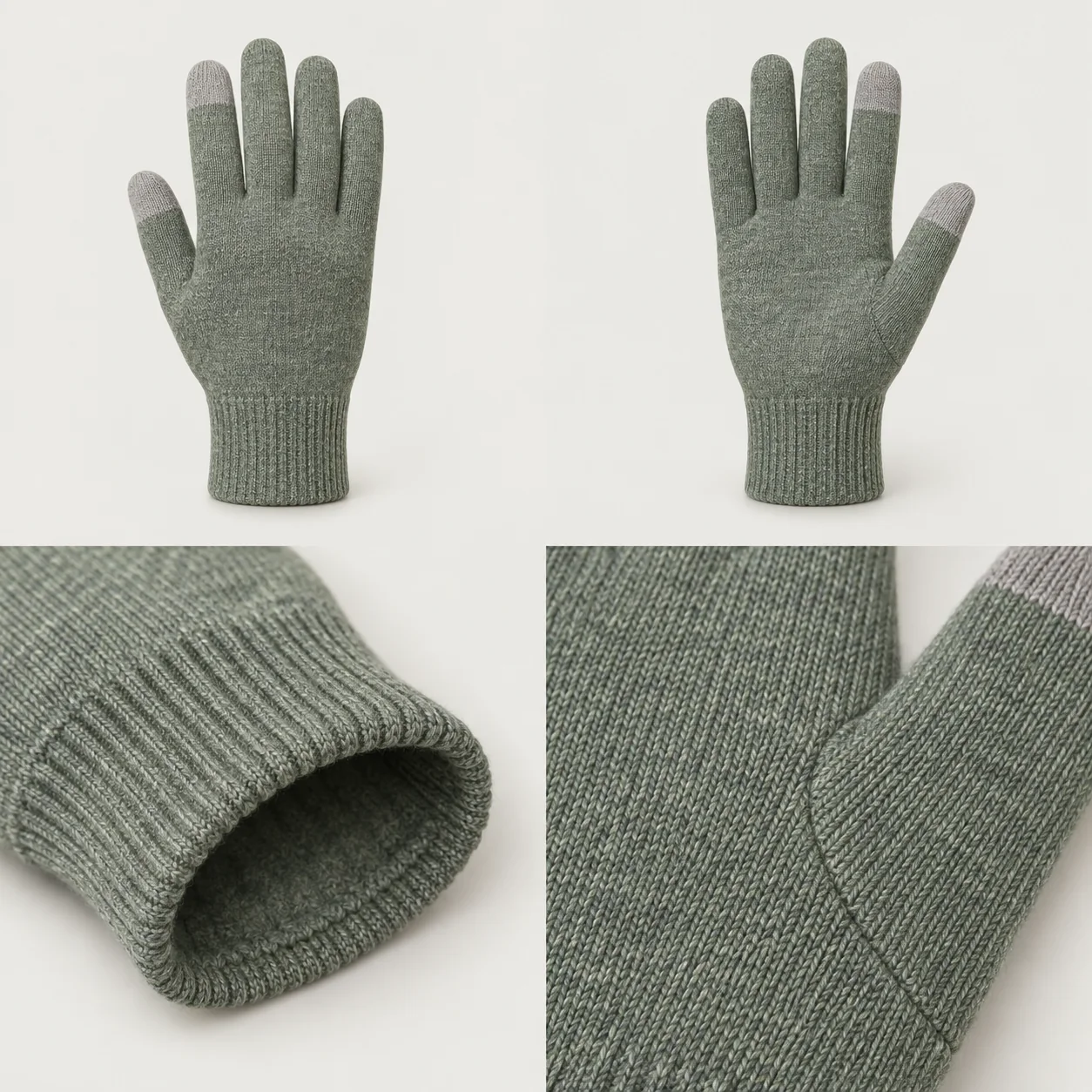
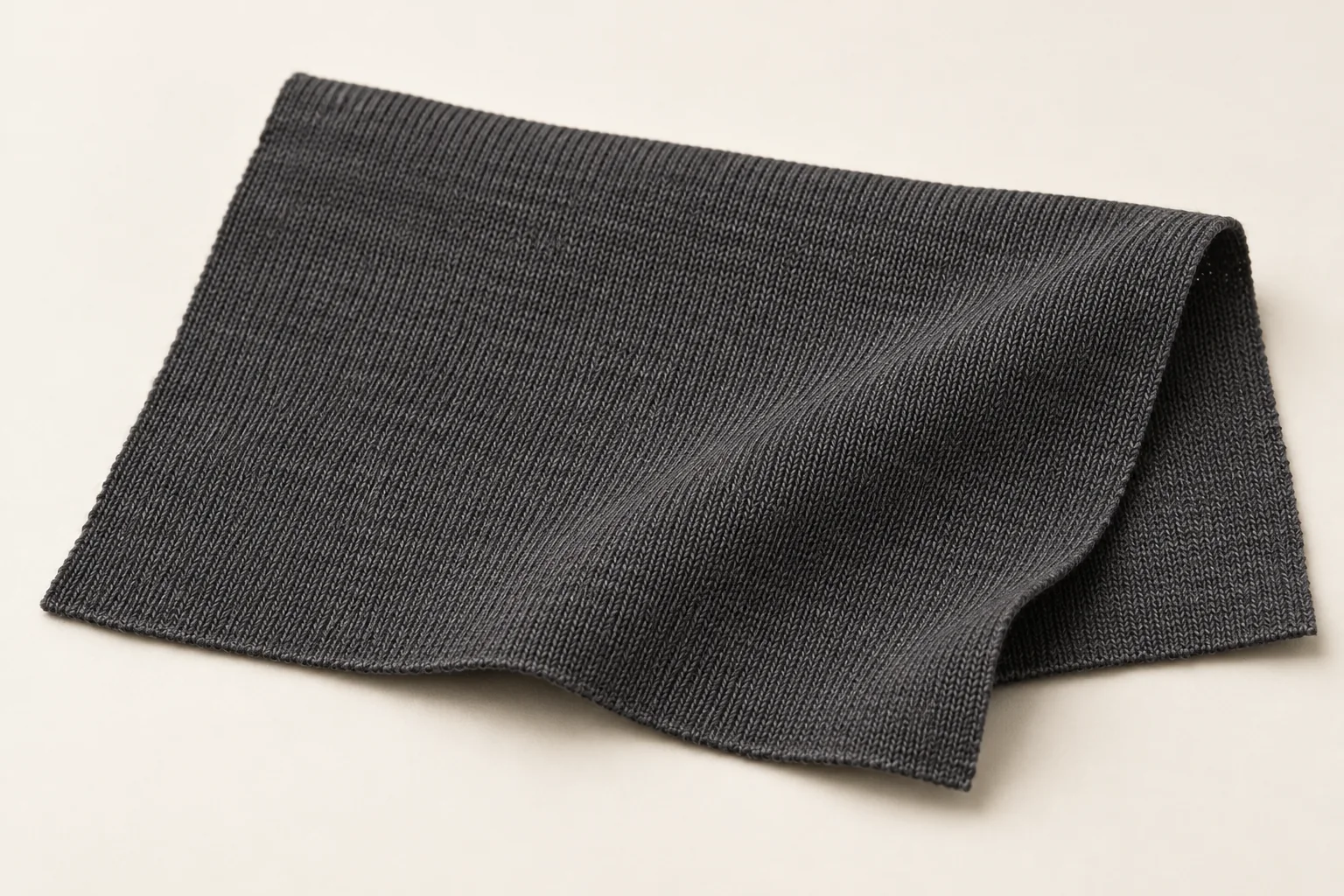
Fine-texture knit / narrow rib / contact tips
Material to glove / our own factory
Start with the glove construction, then locate the contact material. Device compatibility is assessed on the complete sample using agreed devices and actions.
Choose a direction to compare the material with its glove detail.
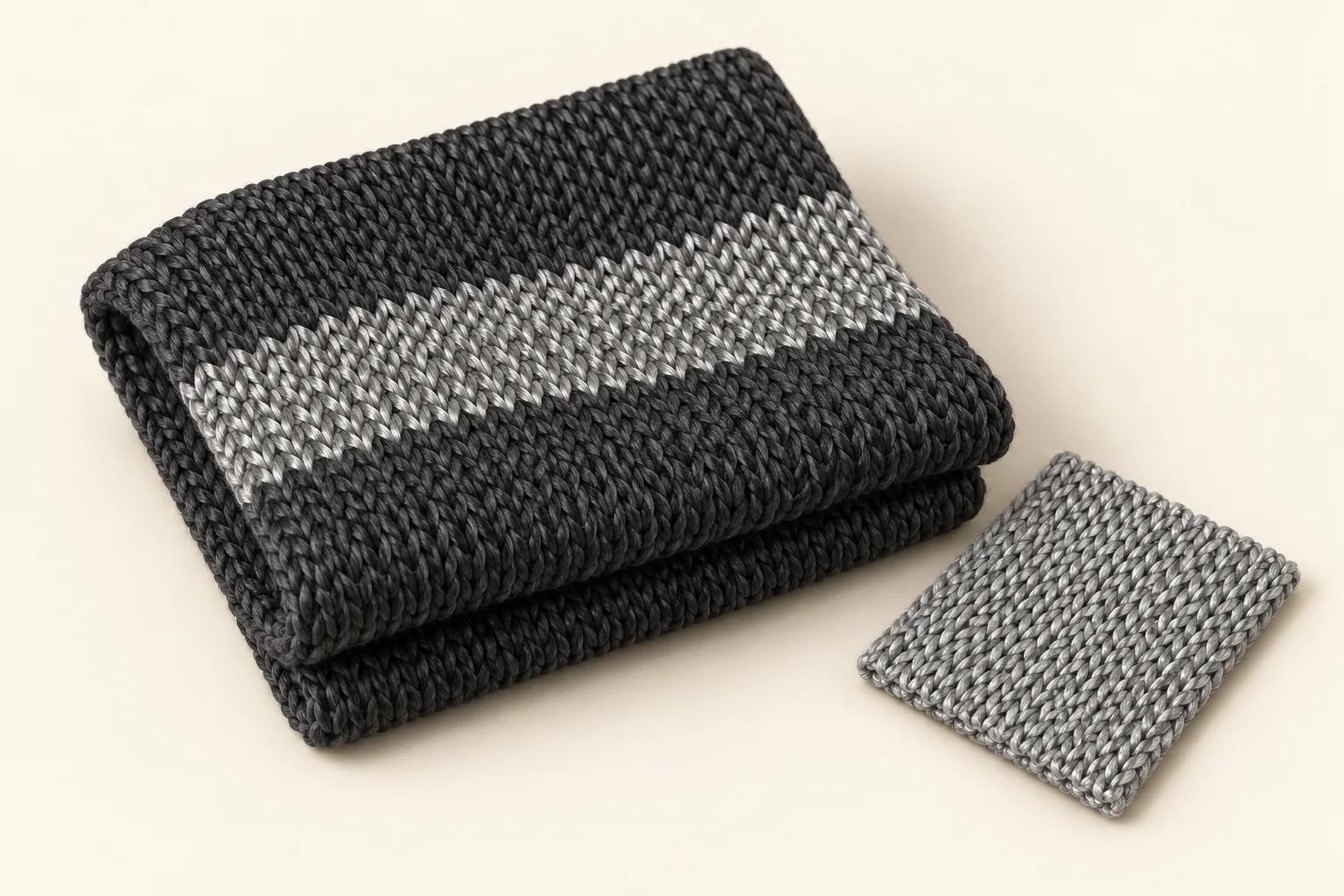
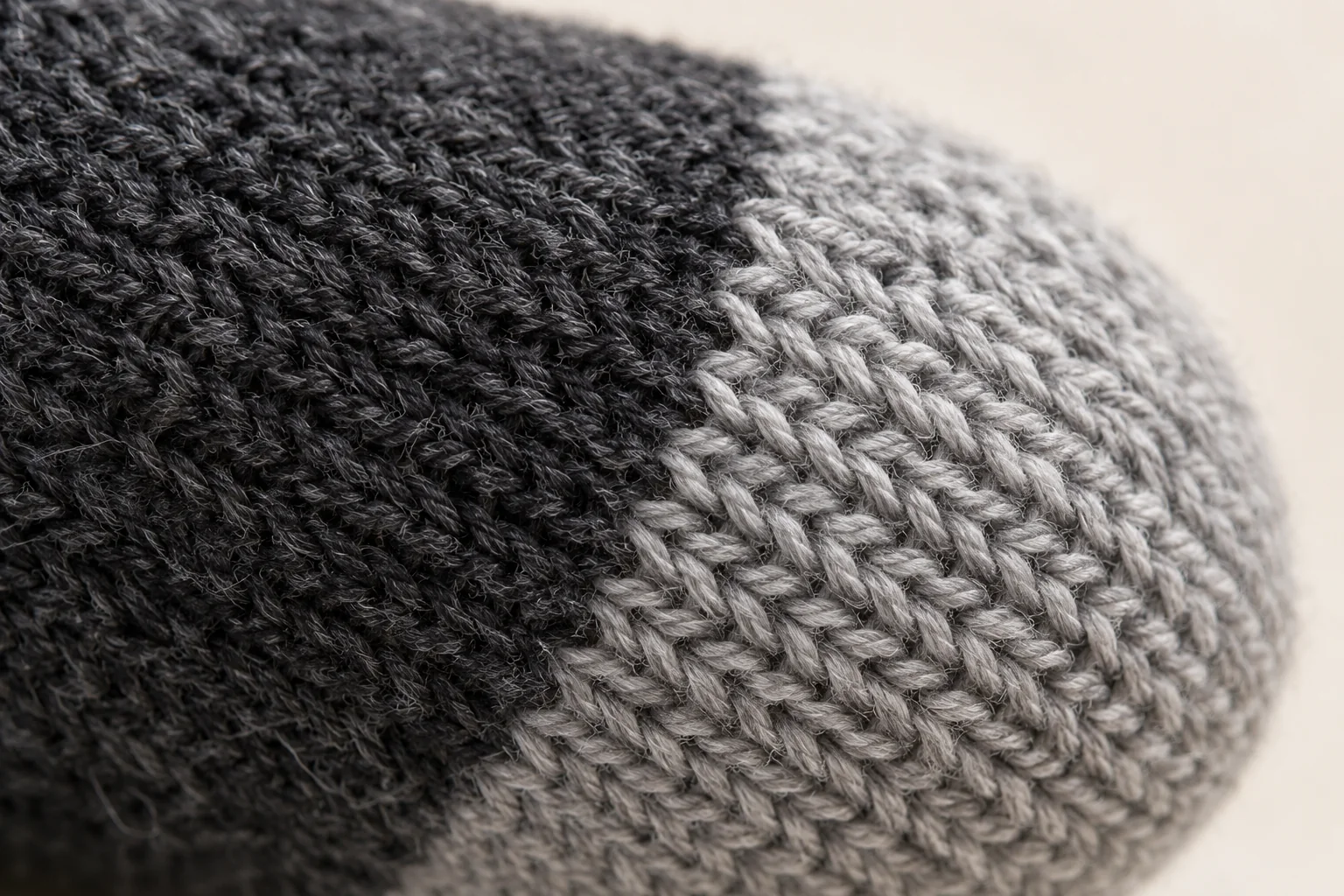
Discuss contact-yarn placement with the base knit and finger shape. Review the transition rather than treating a contrasting tip as proof of performance.
Name the fingers, devices and actions for sample assessment.
Explore this constructionDevelopment decisions
Treat touchscreen functionality as a defined sample requirement within an ordinary glove program. Choose the base construction first, then document conductive placement and the device interactions to assess. Compatibility should be tied to the approved construction and agreed evaluation, rather than described as universal.
Discuss a knit, fleece or mixed-material direction and its fit, lining and appearance. The conductive detail must be reviewed as part of that complete construction, not as an isolated visual feature.
Review on the complete sampleIdentify which fingertips need conductive detail and whether the design direction uses yarn or a panel. Agree the visible area, color and location through development and sample approval.
Review on the complete sampleList the devices and specific actions your team wants to evaluate, such as a tap or a swipe. Record the sample size, fit and evaluation conditions so feedback describes the same test each time.
Review on the complete sampleWrite product and packaging claims only after the intended functionality has been reviewed. If performance after care is a requirement, agree a separate assessment; do not assume the initial sample result covers it.
Review on the complete sampleThe specification file
Use these checkpoints to separate what you request from what must be confirmed before production.
Include in your briefChoose the proposed material, lining, cuff and size requirements for the glove itself.
Confirm on approvalA complete material and fit specification.
Include in your briefDiscuss conductive yarn or fingertip panels against the proposed construction.
Confirm on approvalAn agreed method recorded in the sample specification.
Include in your briefMark required fingers, contact area, placement and visual color requirements.
Confirm on approvalAnnotated drawings and a finished reference sample.
Include in your briefIdentify the device models and accessories relevant to your evaluation.
Confirm on approvalNamed device models and agreed actions, tied to sample size, fit, contact fingers and sample version.
Include in your briefDescribe the interaction, conditions and acceptance criteria; separate any care-related checks.
Confirm on approvalRecorded sample results against the agreed criteria.
Include in your briefDraft labels and packaging statements around the agreed scope of functionality.
Confirm on approvalApproved artwork with claims consistent with the evaluation record.
Editable worksheet. Add your actual material references, observations and approval decisions.
Download the TXT worksheetFrom reference to release
We develop the knitted or sewn base in our own factory. For touchscreen programs, agree an evaluation plan for the complete glove: contact material, fingertip position and fit all belong in the same review.
Record the base material, contact material or method, finger zones, sample revision and size. Keep a close-up of each contact area with the full-glove photographs.
Name the device and screen protector, the hand and finger used, the intended actions and the sample condition. Agree the repetitions and acceptance criteria before recording results.
Log each action and observation, including intermittent response and retests. A result for one device, size or condition does not establish compatibility with every device or performance after care.
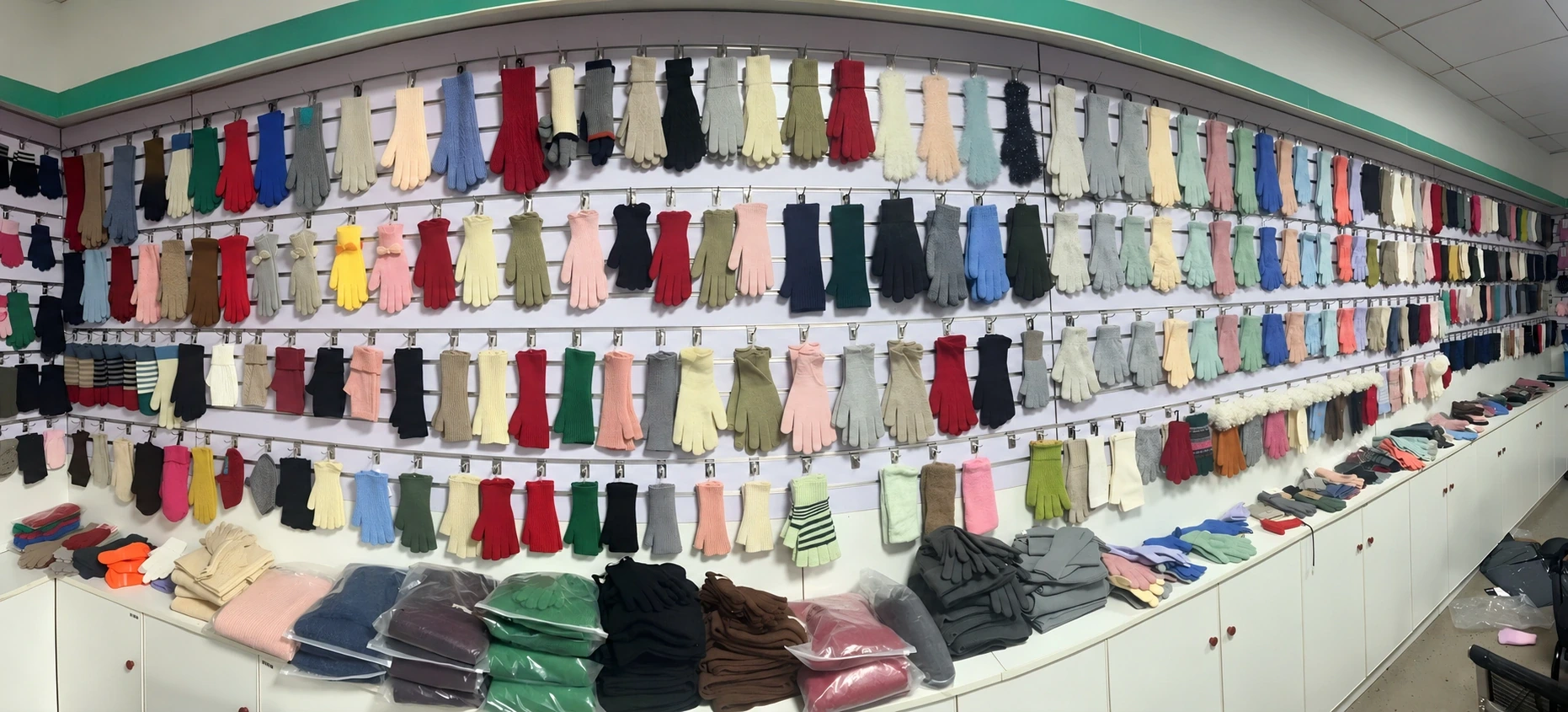
Factory process / In-house production
Connect the chosen material and construction with the work that follows. Our own factory carries out production, brand application, dimensional inspection and packing around your approved construction.
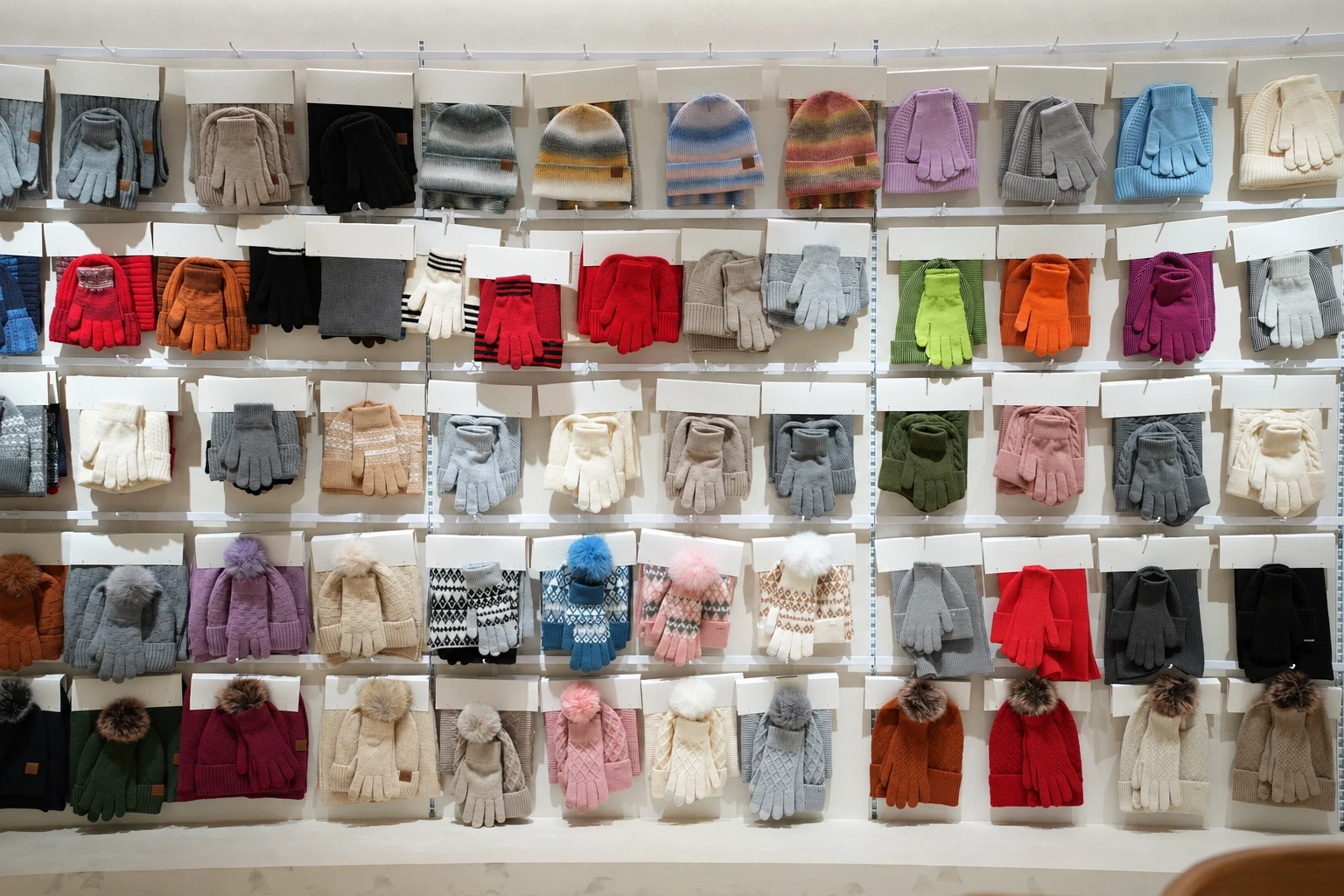
Choose the knit or textile direction and review the complete fit. A contact detail cannot be approved independently of fingertip position and movement.
Identify the base material and proposed contact-zone location in the sample file.
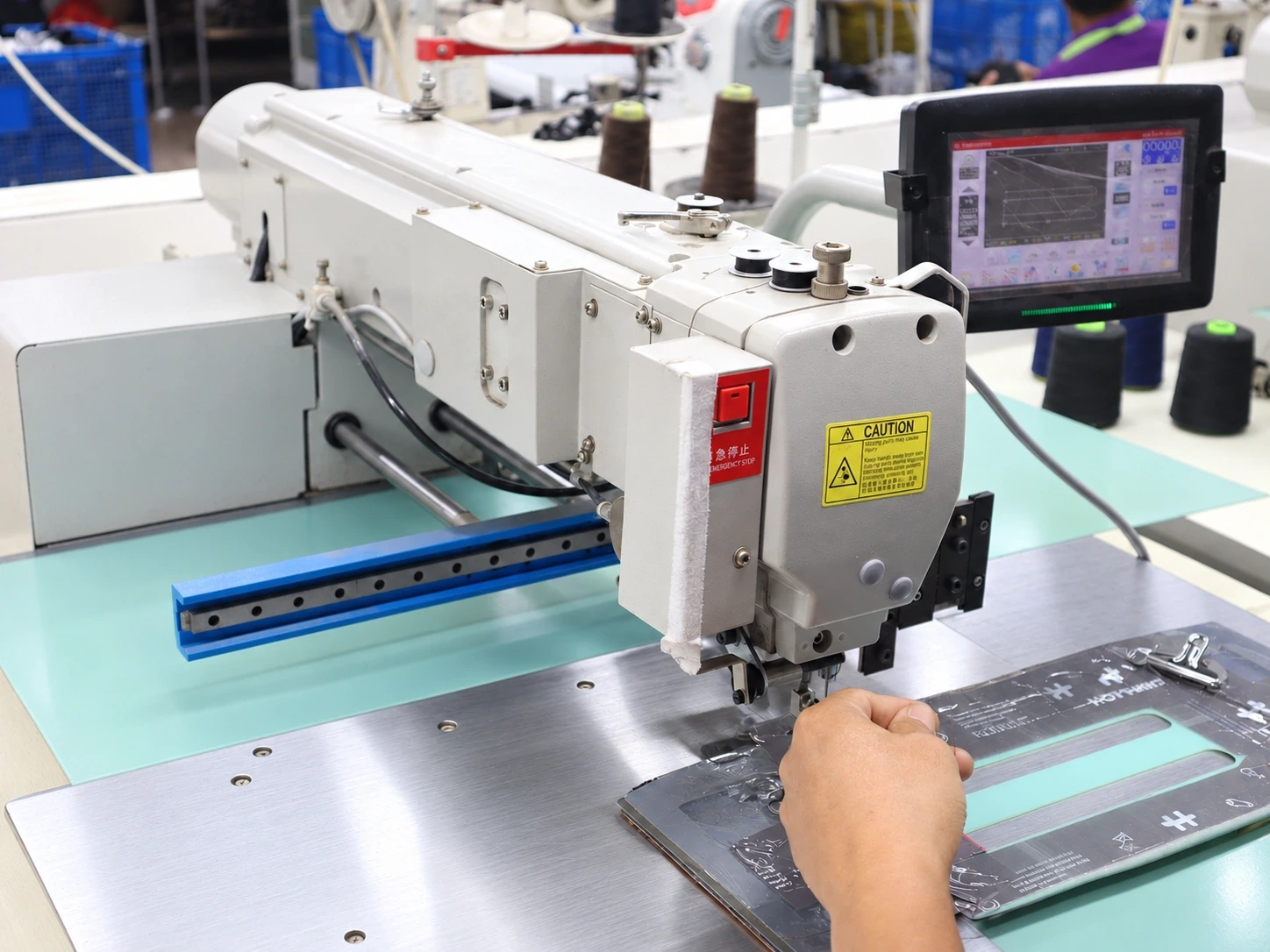
For a sewn contact detail, review placement, edge attachment and the inside finish. For a knitted tip, review the proposed yarn and knitted area instead.
Assess the finished sample on the named devices; the photograph does not establish performance.
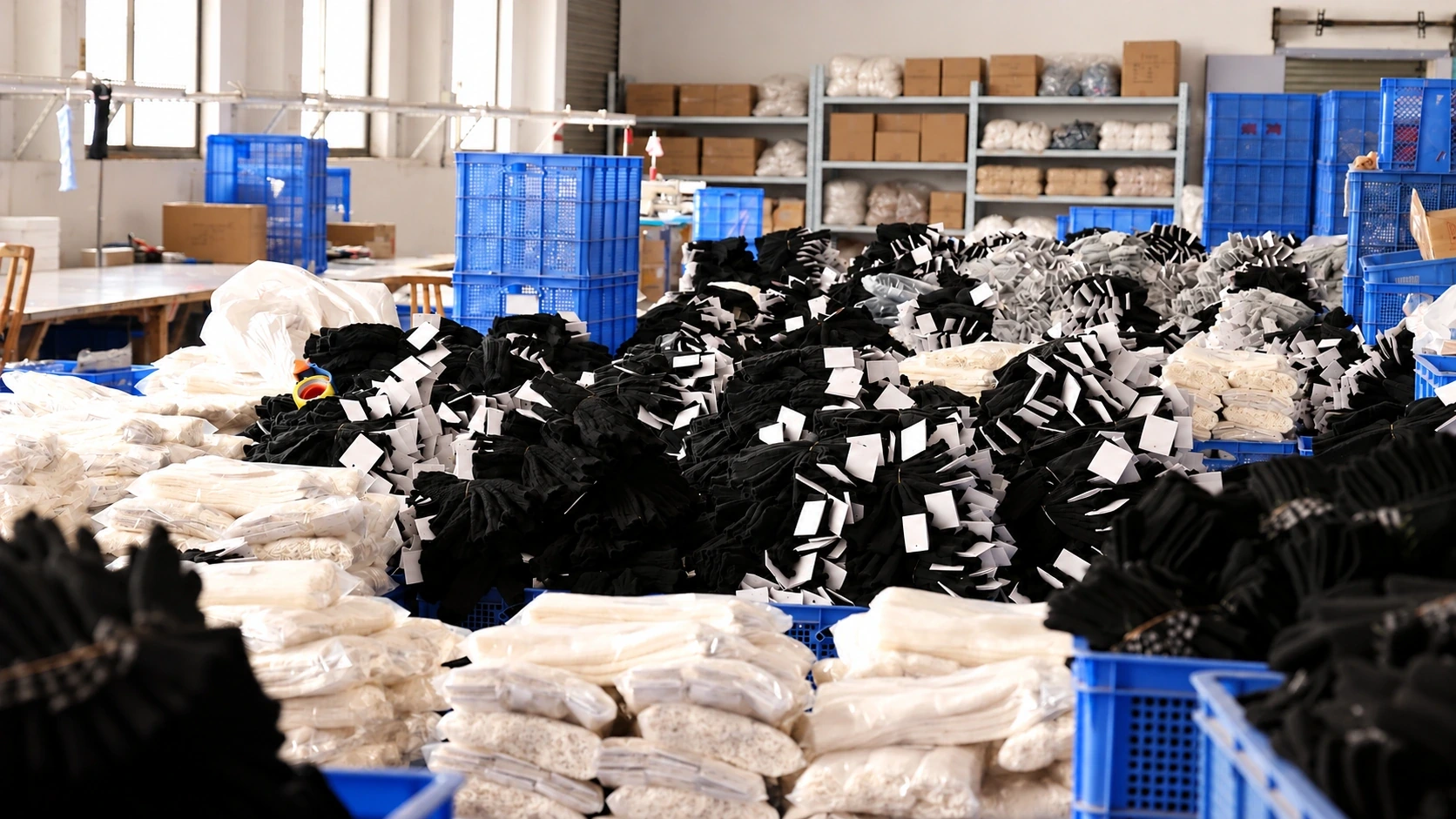
We carry out full inspection of finished pairs. Keep the approved workmanship, measurements, labels and packing instructions together when preparing the order.
Confirm style, color, size, pairs per pack and carton identification before release.
Every pair is inspected, including dimensions. Nonconforming gloves are isolated, reworked and reinspected in our factory.
Working directly with our factory
Move from collection choices to a clearly defined OEM or private label order. The cooperation process keeps buyer decisions and factory work connected.
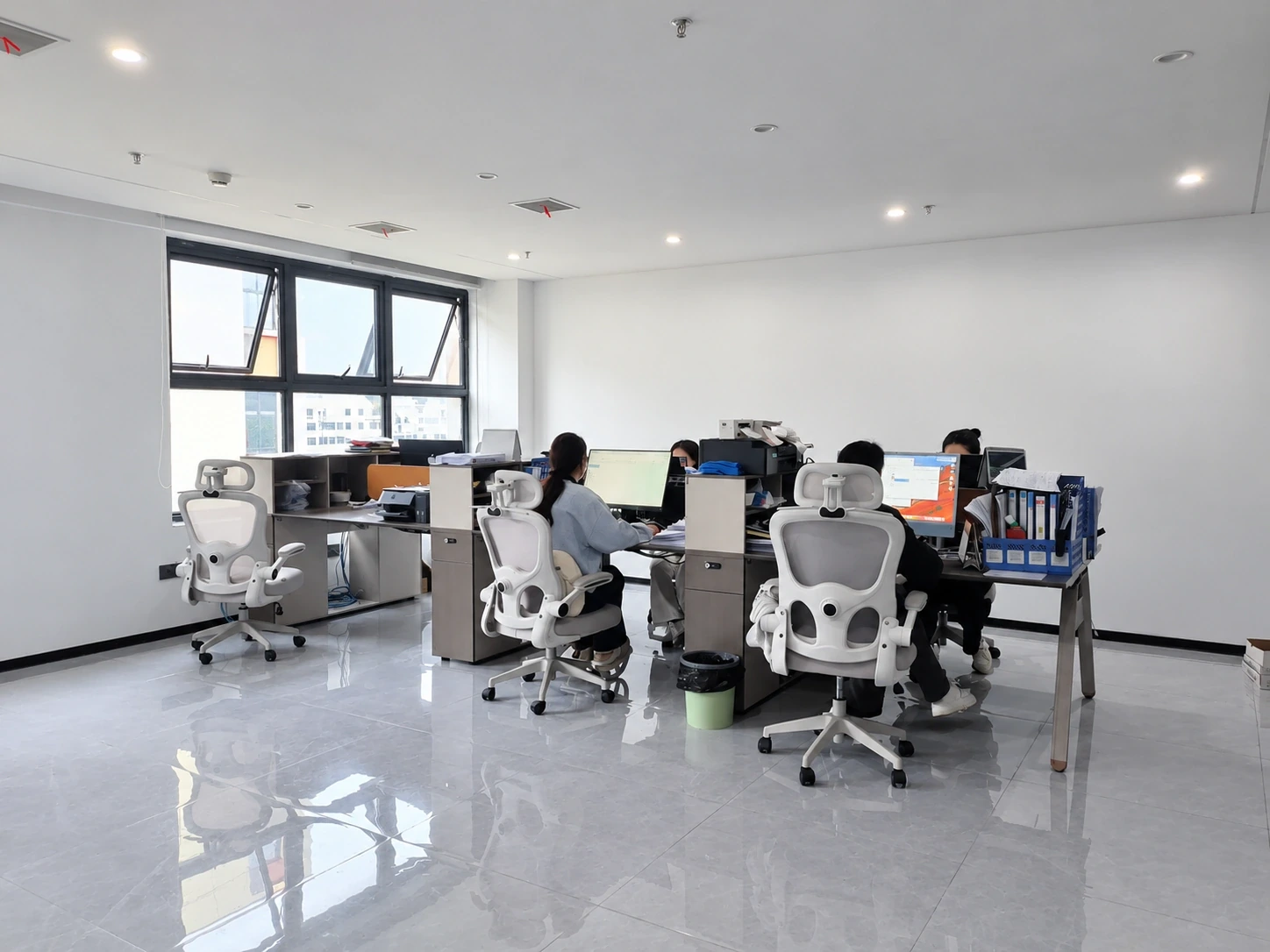
A defined development scope.
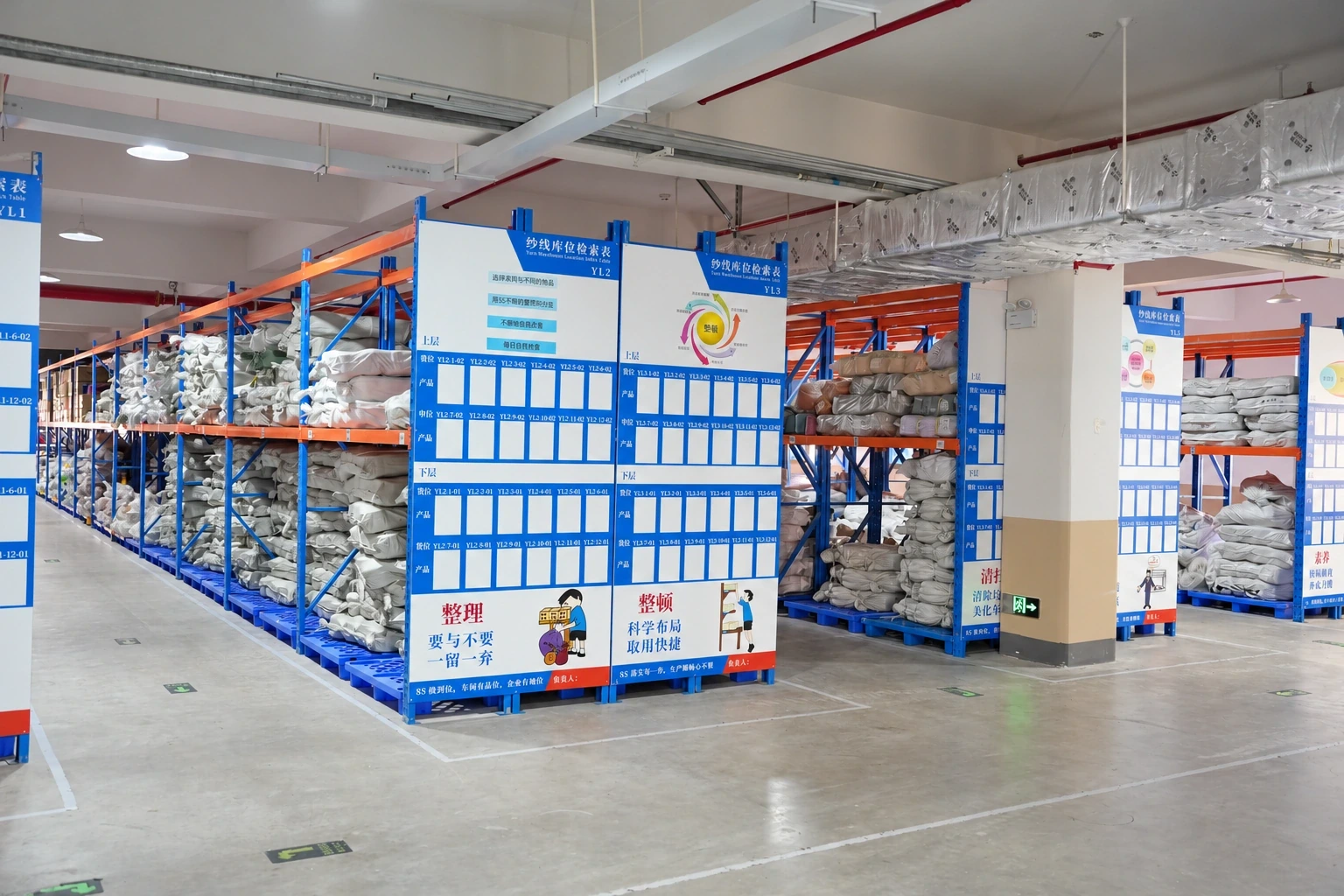
A quotation tied to one specification.
A complete glove with resolved revisions.
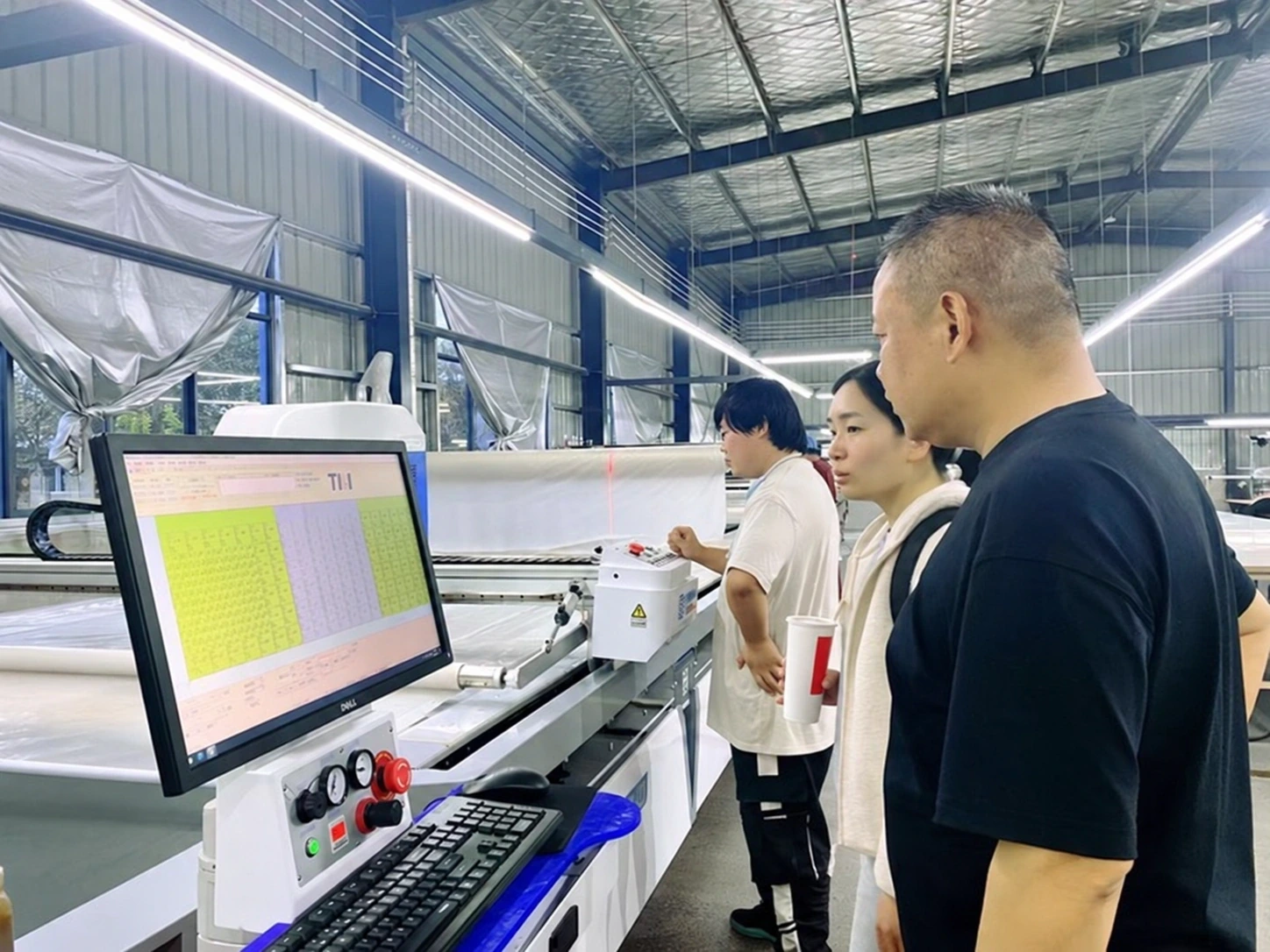
Written approval for the production version.
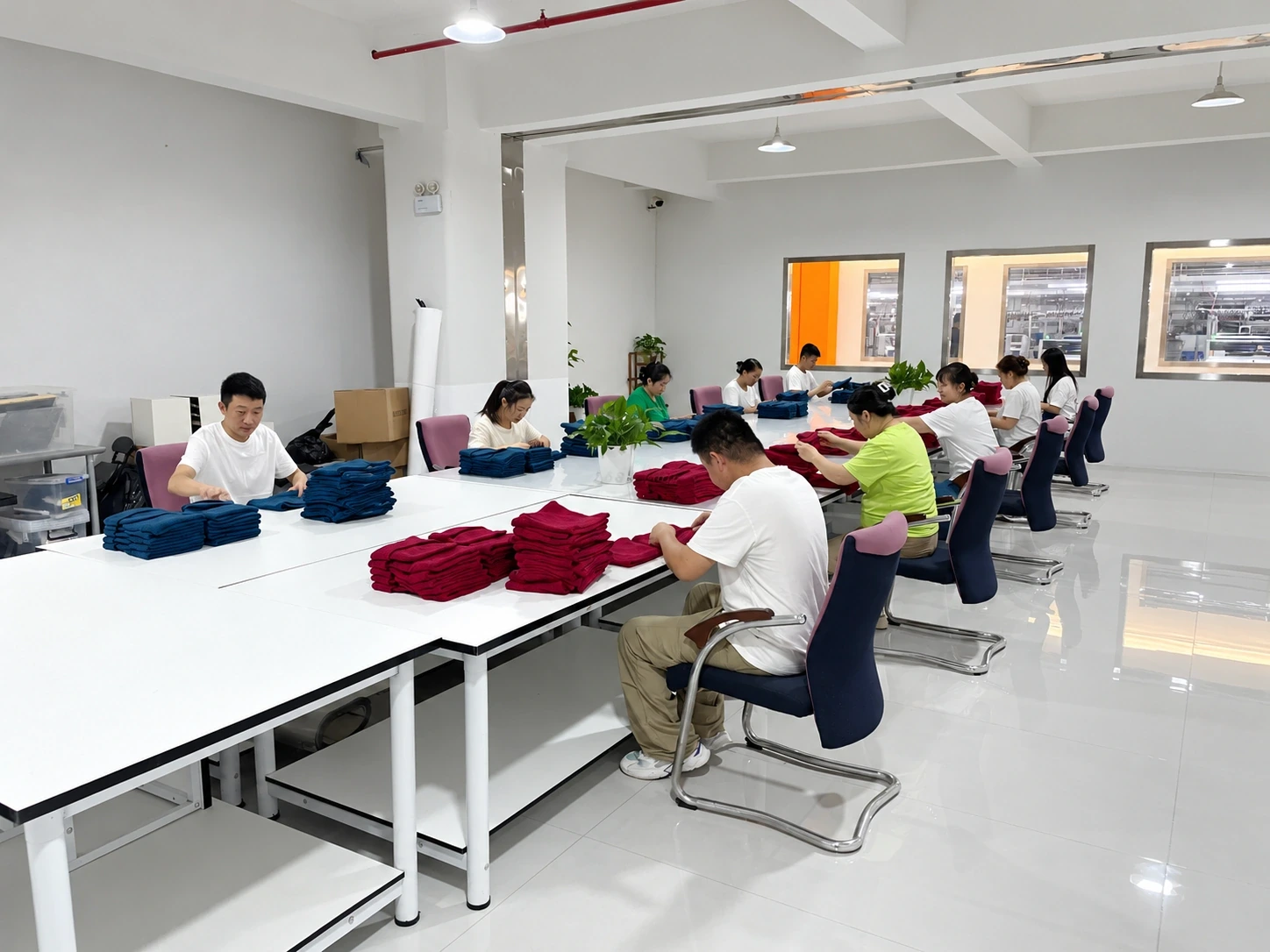
Accepted pairs for the agreed assortment.
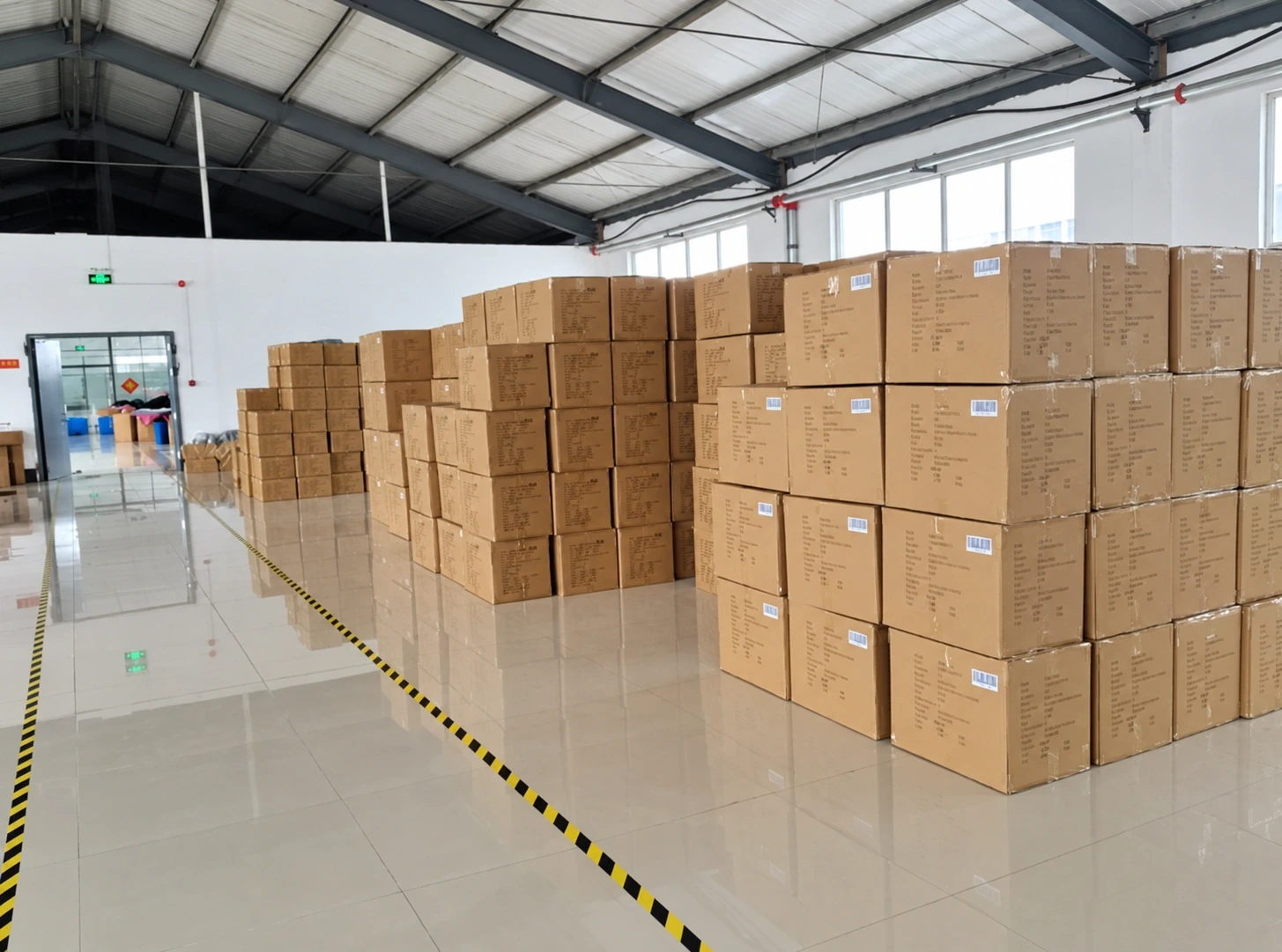
A defined handoff and reorder reference.
Buying questions
Universal compatibility is not claimed. Define the devices and interactions that matter to your collection, then assess them on the proposed sample. The result should be recorded against the agreed glove construction and evaluation conditions.
Send the base design, materials and the fingertips you want to use. The development review can consider a conductive yarn or panel direction and its effect on appearance and construction. Confirm feasibility and functionality on the finished sample before production.
No. An initial interaction check and a care-related assessment are separate requirements. If continued performance after a defined care process matters, specify that process, evaluation method and acceptance criteria before sampling, then agree the documentation needed.
Include the glove reference, materials, size chart, required conductive fingers, device list and intended interactions. Add your branding, quantities per style and color, destination and delivery date. Mark requirements that are still open so the development scope is explicit.
Factory photographs show sample displays and manufacturing context. Individual collection designs are development references. Touchscreen behavior is assessed on the actual proposed sample with the agreed devices, contact zones and interactions.
Identify the fingers, extent and position of each proposed contact area. Review alignment when the glove is worn in the intended fit, along with attachment or knitted integration. Record placement in the sample and specification.
Revisit fit, fingertip position, contact-material integration and inside finish. Agree which device interactions need reassessment on the revised sample. A prior assessment should not be carried over automatically to a different construction.
Every finished pair undergoes inspection against the order specification. Device assessment has its own agreed method, conditions and coverage; full inspection does not by itself mean every pair is tested on every device. Record the two scopes clearly.
Agree wording against the evidence for the supplied construction and the relevant assessment scope. Keep the approved label and packaging copy with the sample record. Do not extend a limited device assessment into a universal compatibility statement.
Keep the base material, contact material, placement, size chart, sample identifier, device assessment record and artwork together. Identify changes to any of those elements before reconfirming the reorder.
A project for your brand
Send the reference, materials, size range and quantity per style and color. Include your destination and required arrival date.
Preparing your project brief…