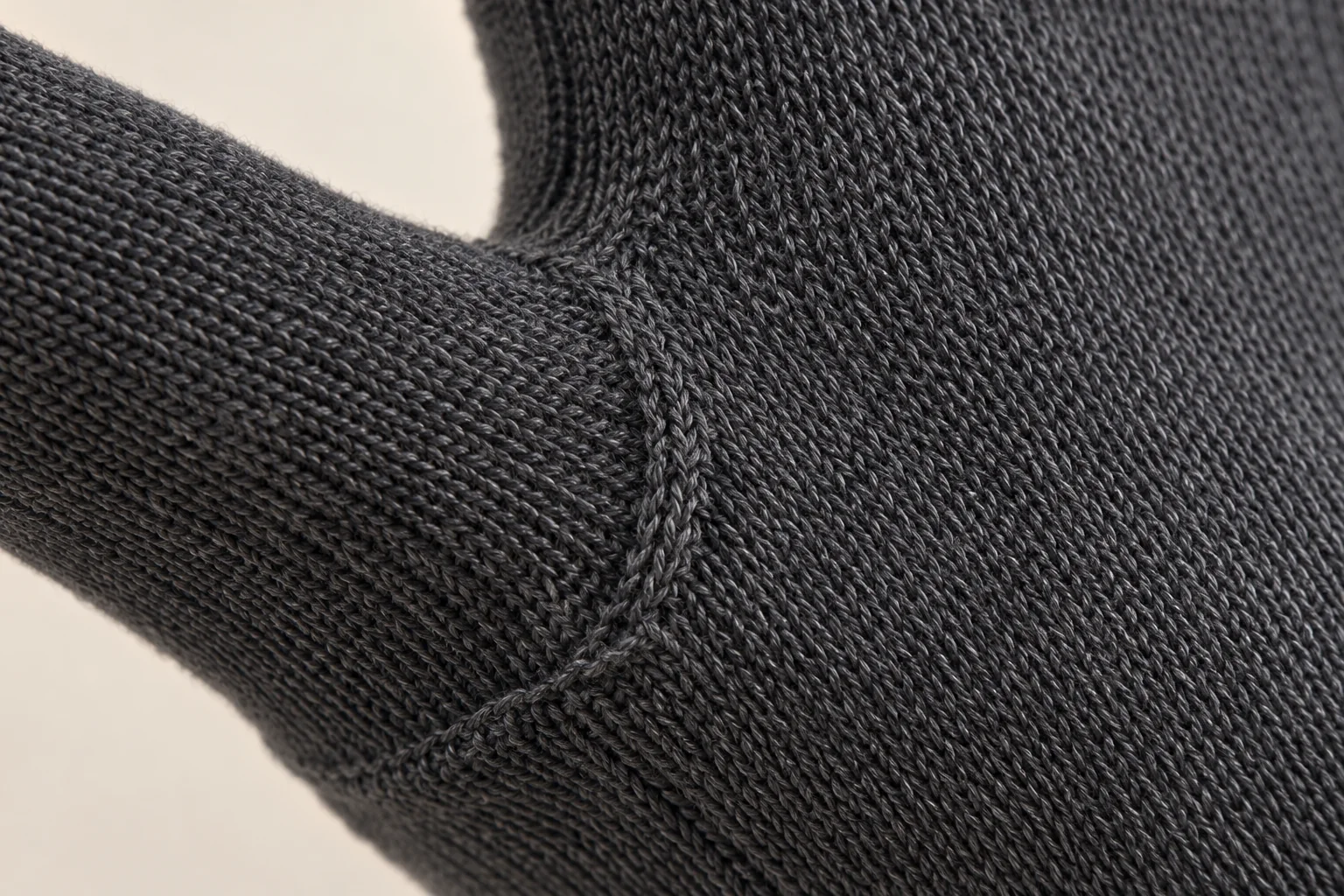
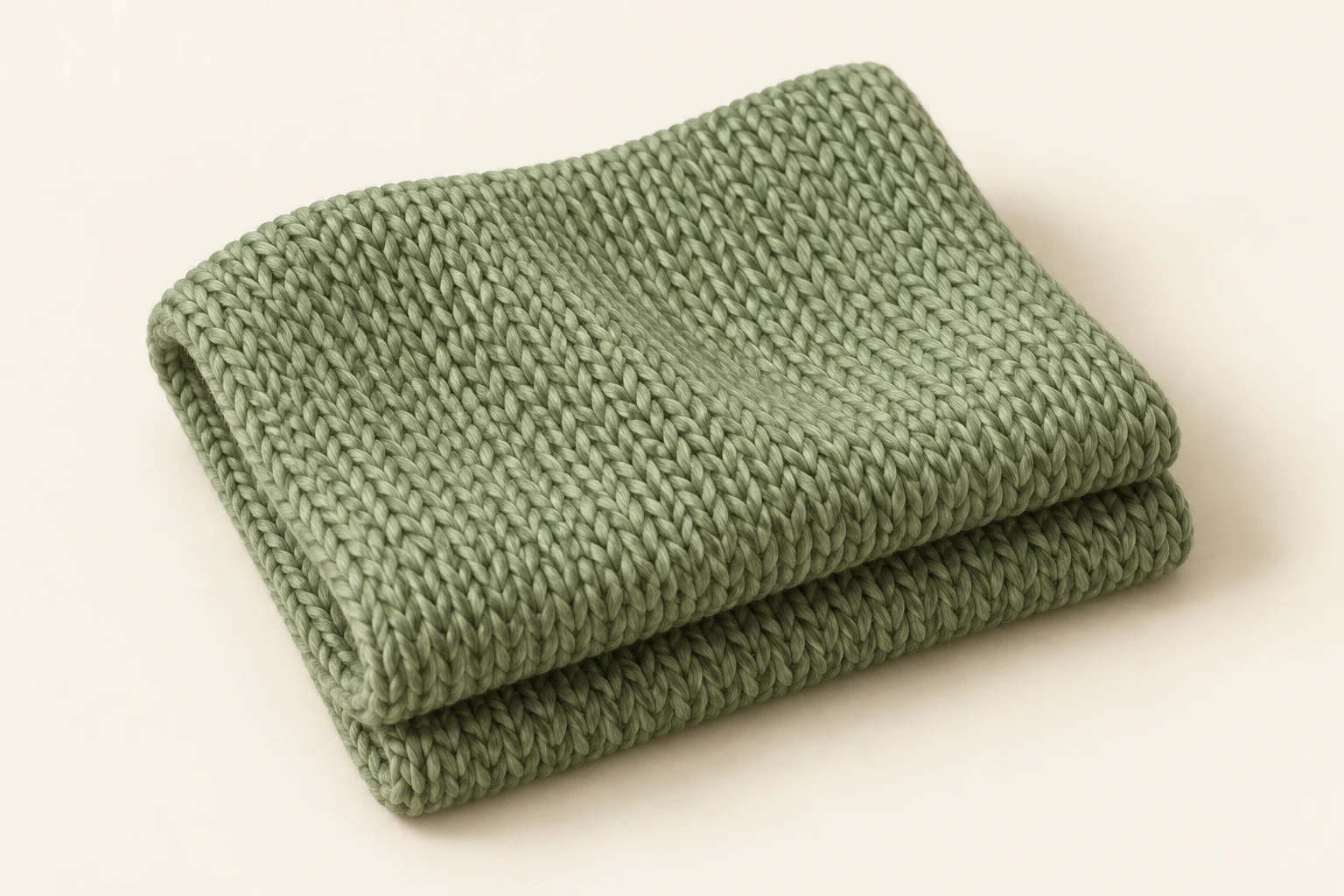
Knit base
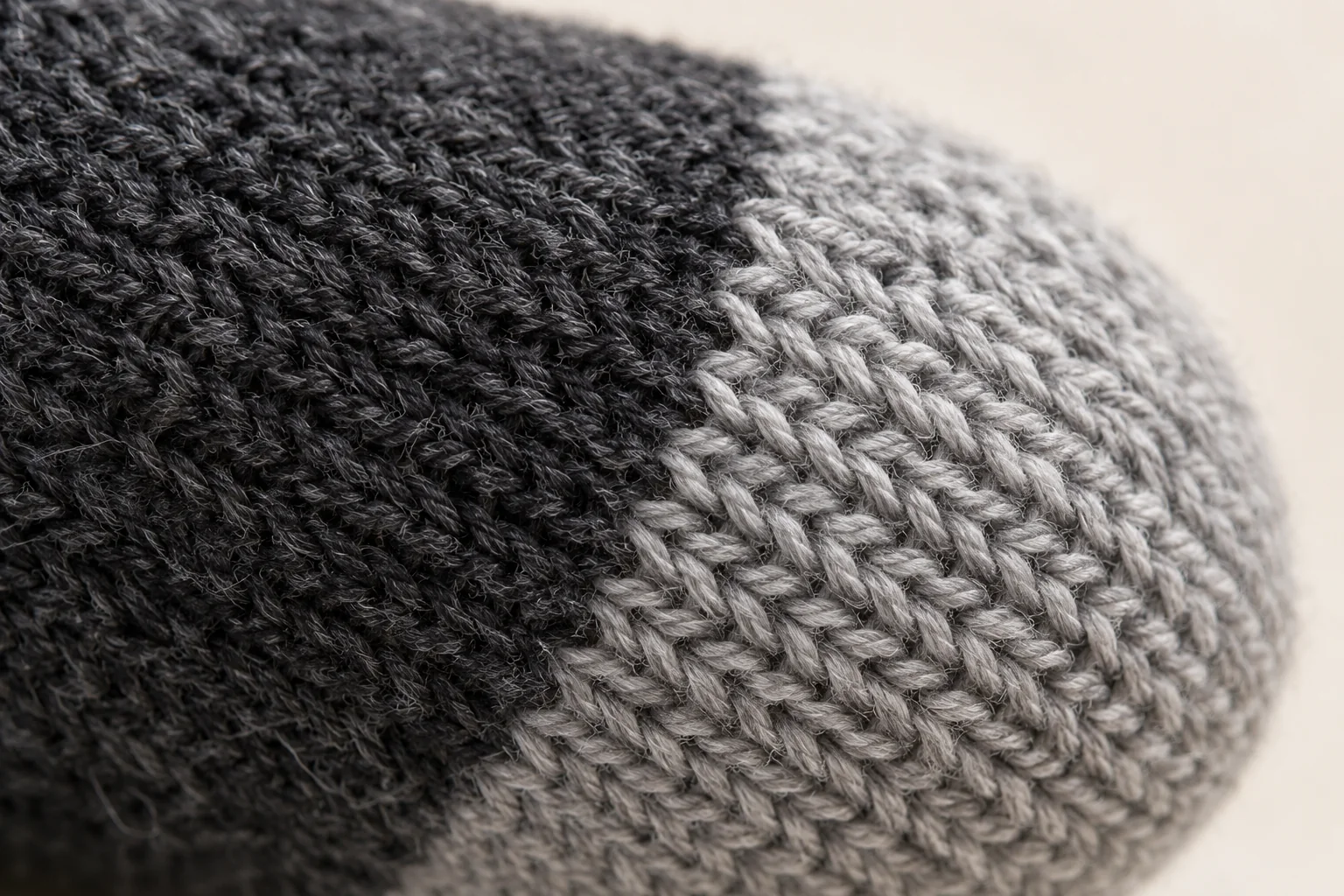
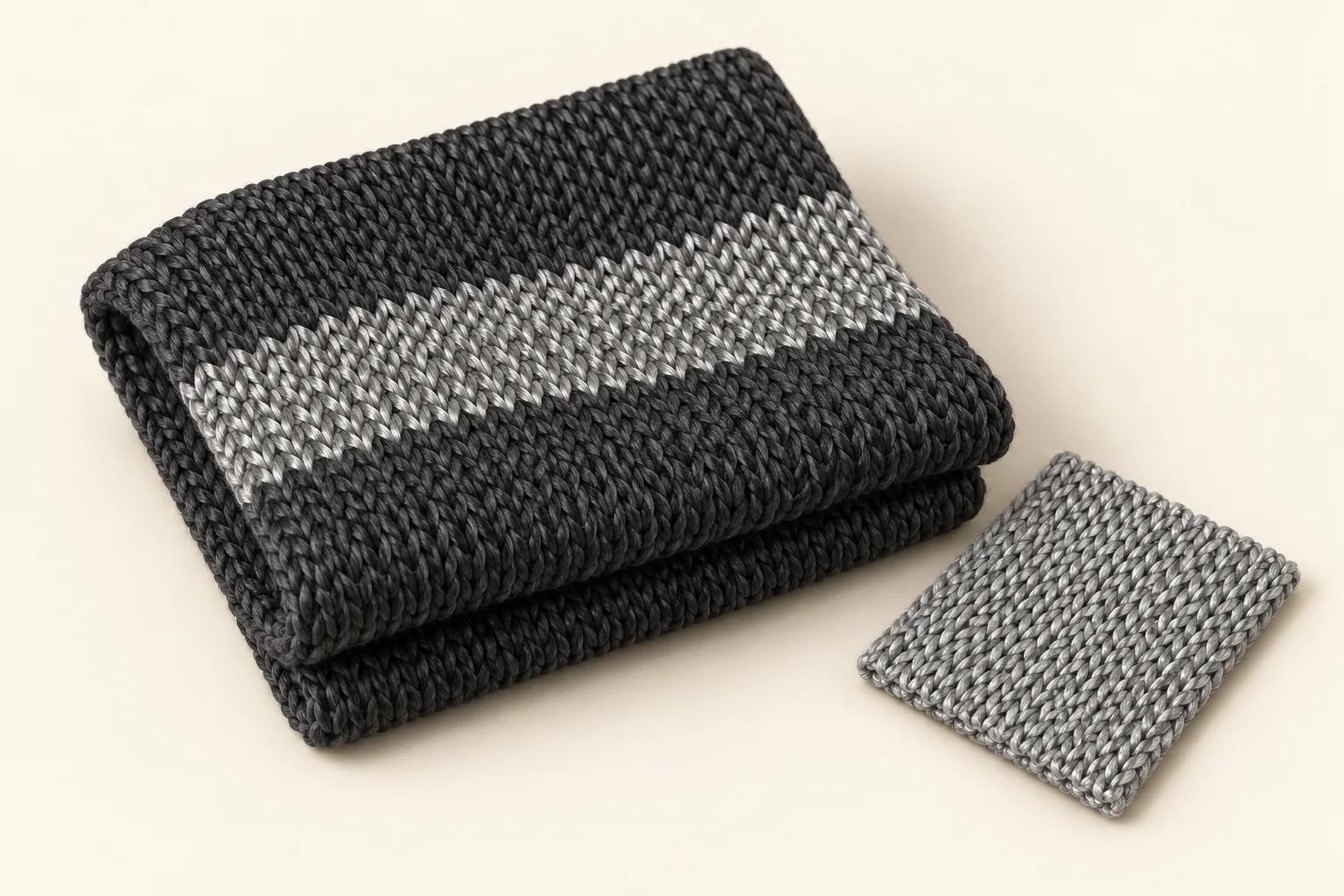
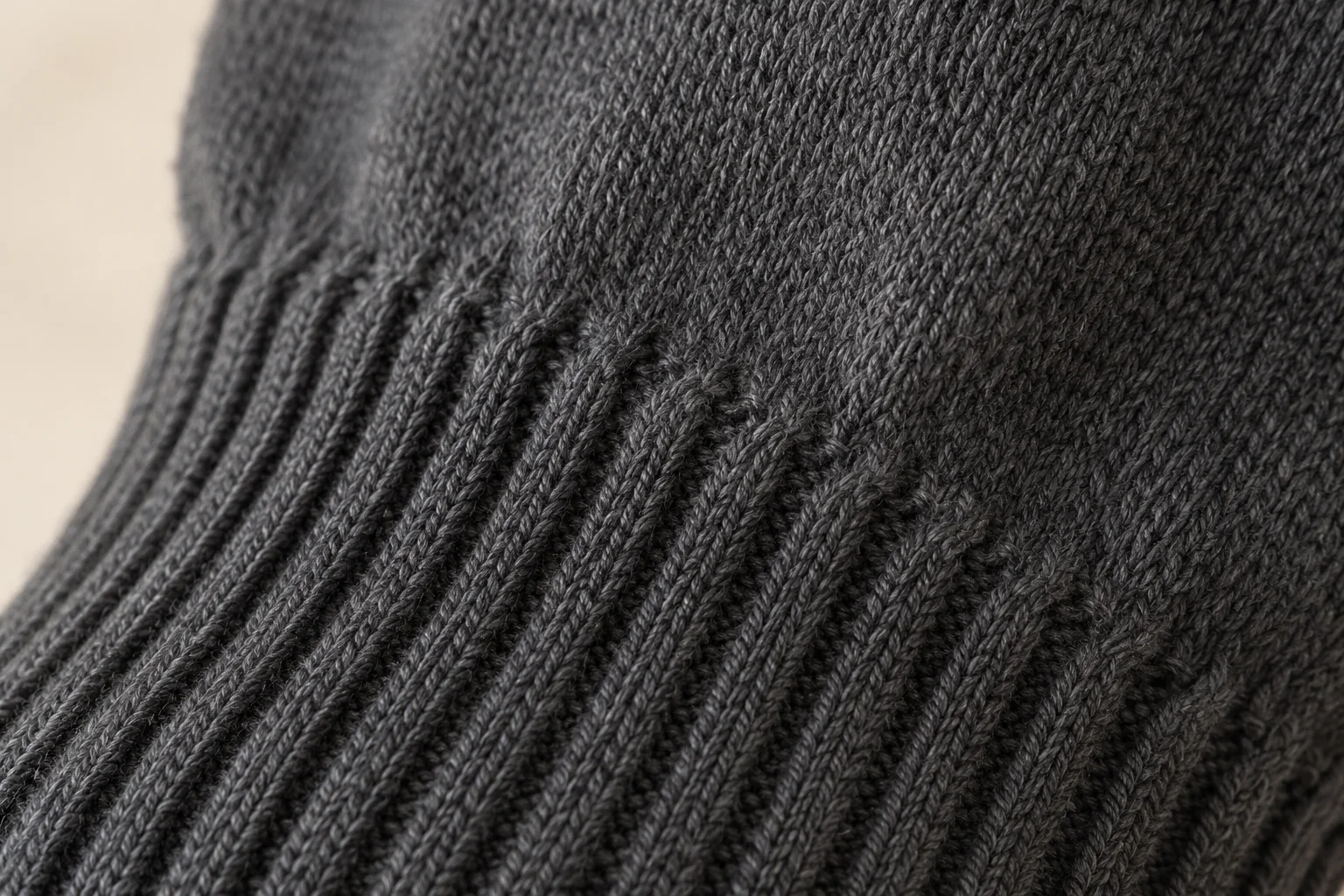
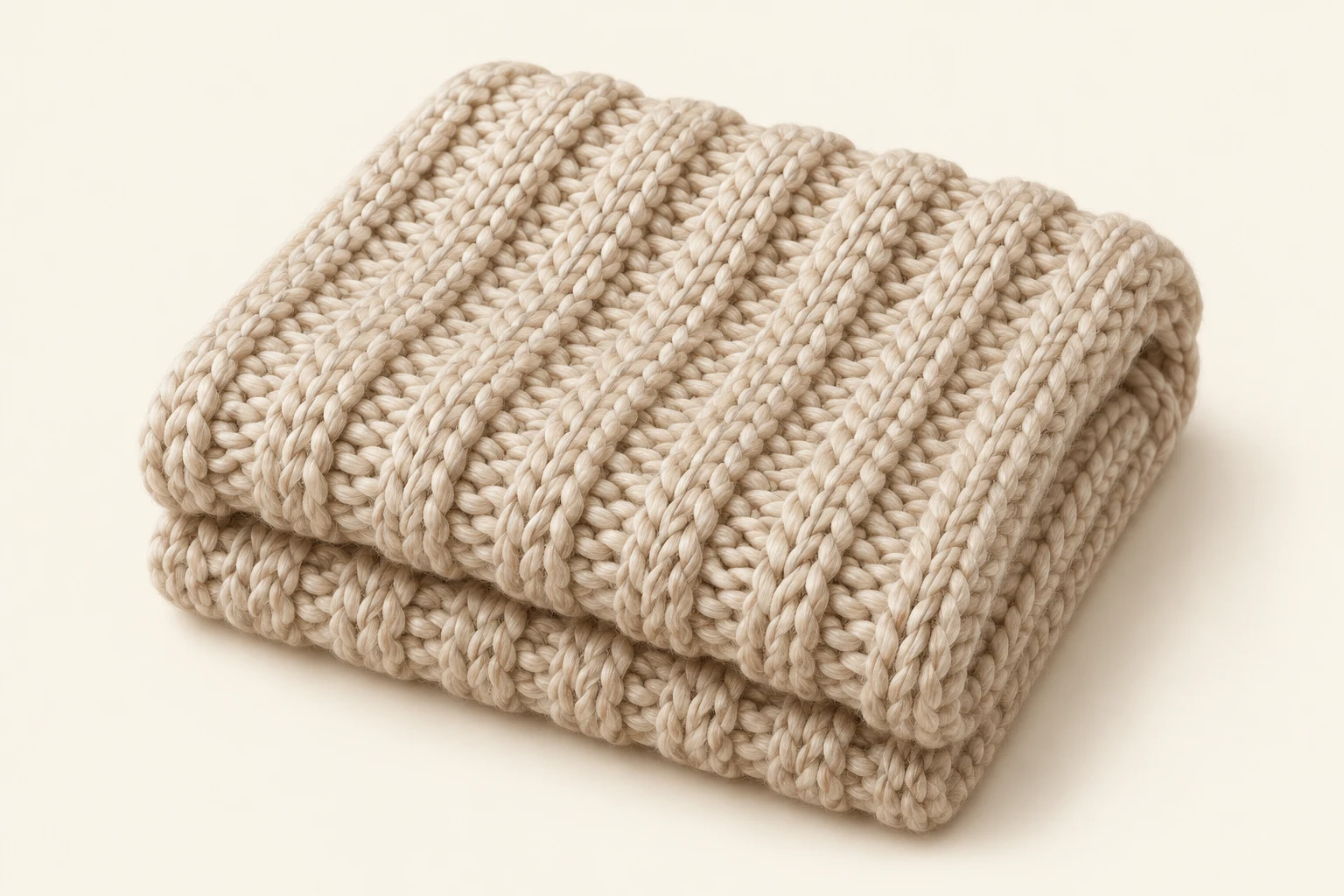
Discuss base yarn composition and the intended knit construction.
Approval point
Retain the selected physical material reference and agreed composition.
VORLAN own factory / VL-TC-01
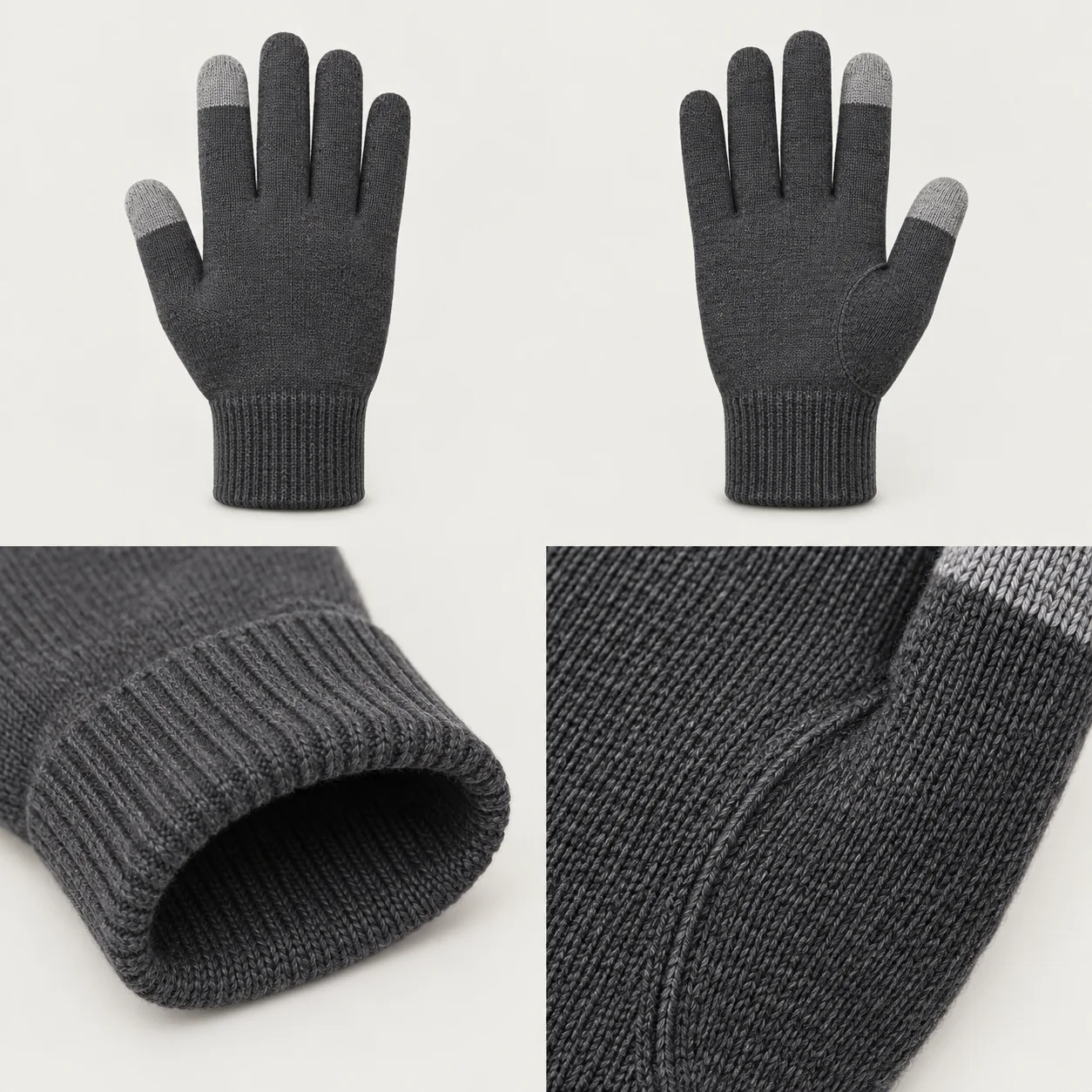
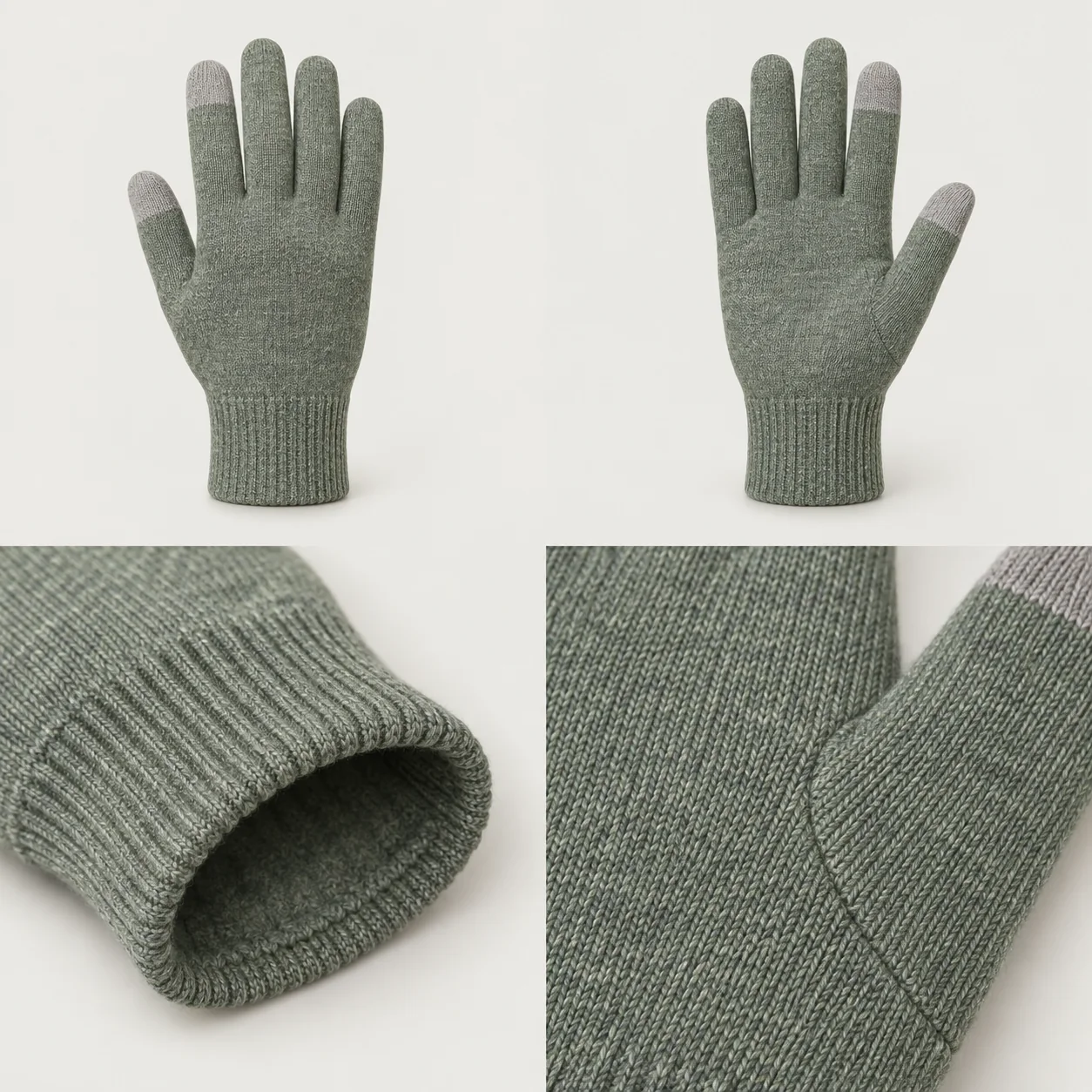
A knit glove development reference with proposed thumb and index contact zones. The visible zones identify a design direction; device interaction must be defined and assessed on the actual sample.
Knit body / thumb and index zones
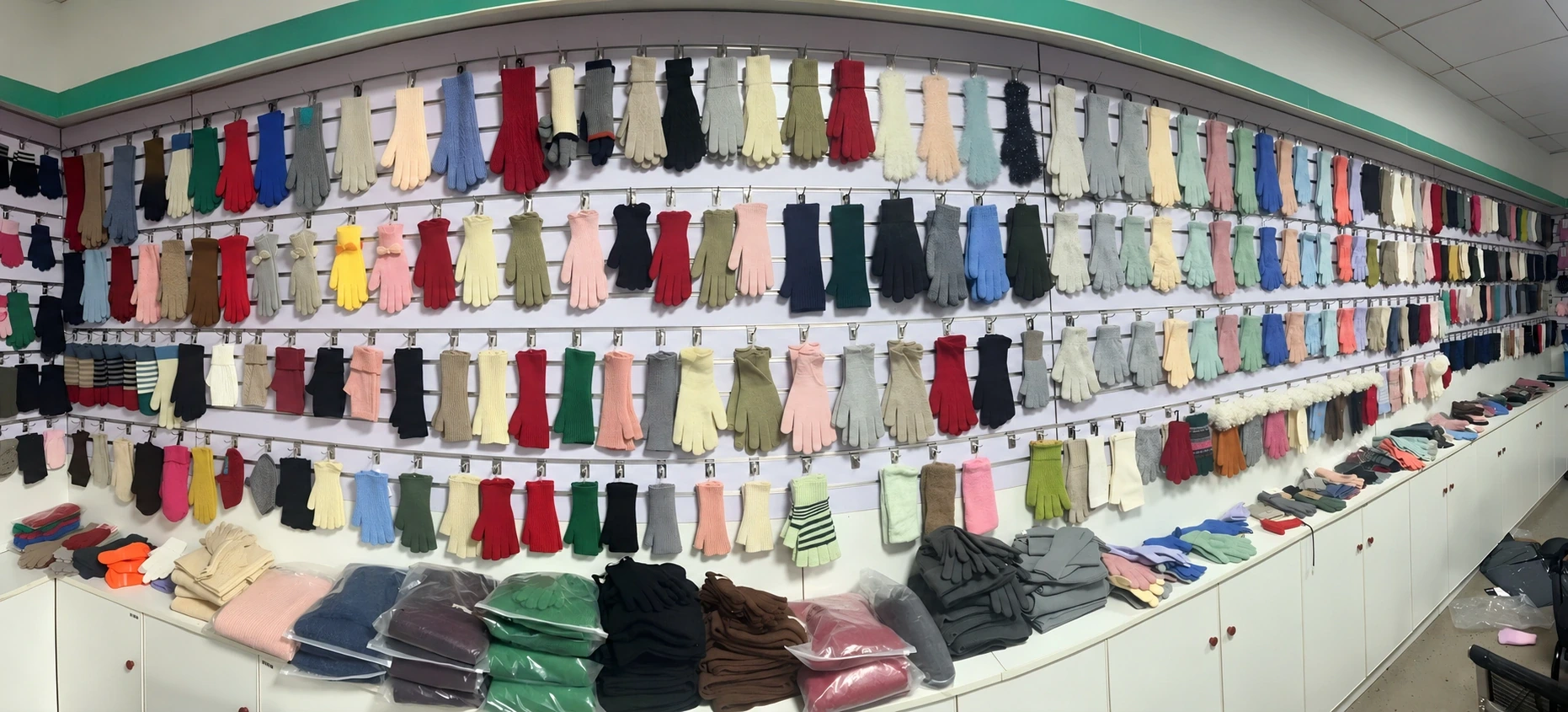
Private label knit-glove collections with a specified touchscreen development brief.
Select a direction to include in your brief. Materials are confirmed by physical swatch.
Factory-direct OEM & private label development for brands, importers and wholesale buyers. Every finished pair is inspected, including dimensions.
Working-day lead times.
Scope and approvals set the start date; transit is planned separately.
Made in our own factory / Touchscreen gloves
Our own factory develops the knit body and specified contact zones as one glove. The purchasing brief should identify the fingers, coverage and device interactions to review on the complete fitted sample.
Name the devices and actions your team wants to assess. Keep them with the base yarn, contact-material direction and sample size; performance is confirmed for that agreed setup.
Build the sample review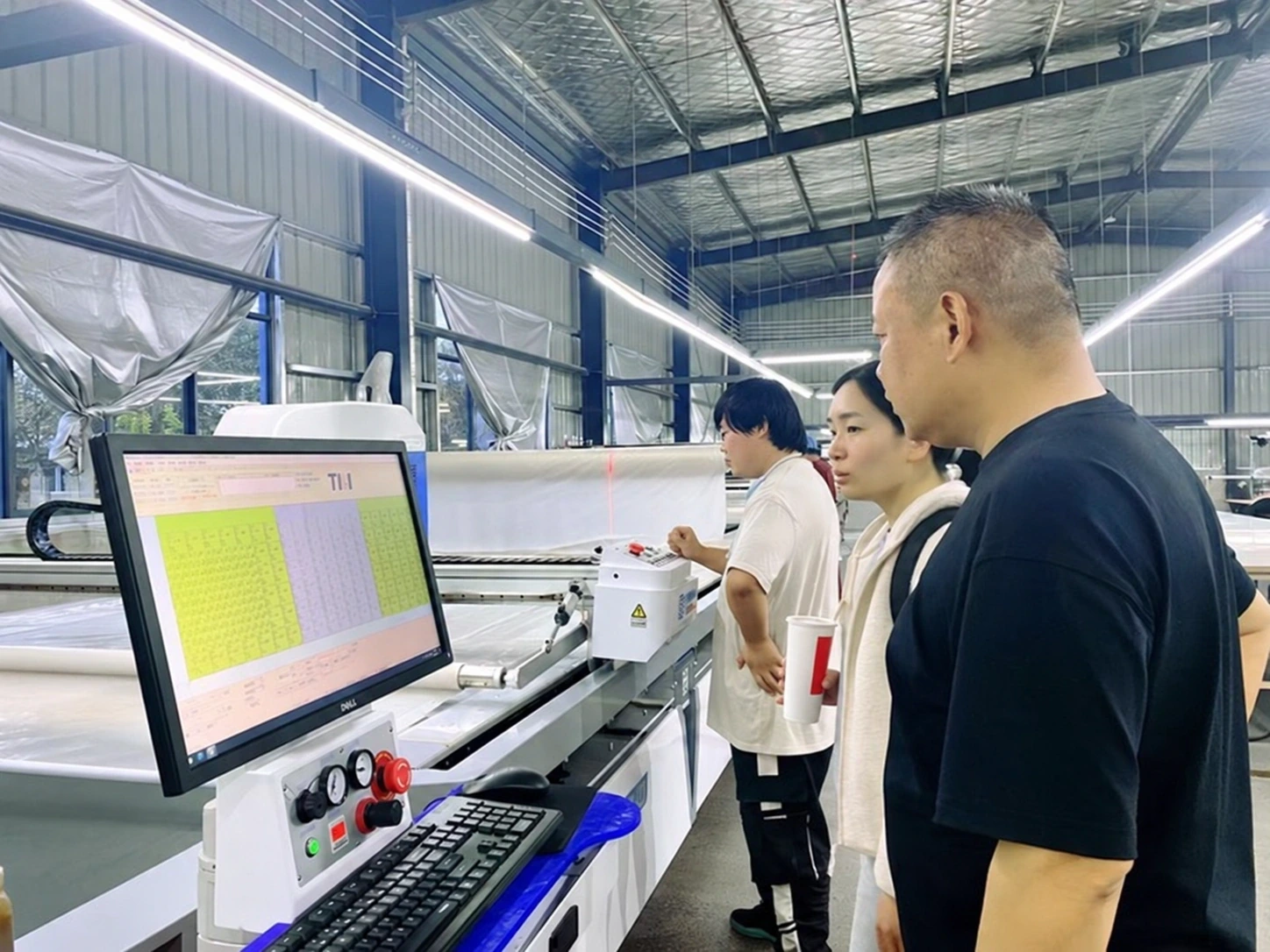
Look closer
Explore the construction points that need a decision in the brief and a check on the finished sample.
Contact-zone extent
Specify which fingers and surfaces need a contact area.
Compare the sample placement with the agreed drawing and intended interaction.
Review finger proportions alongside the contact-zone construction.
Record sample fit when assessing the agreed device interactions.
Identify the devices, interactions and conditions before evaluation.
Keep observations and limitations with the sample reference; do not assume universal compatibility.
VL-TC-01 / material & application
Follow each component from the material direction to its detail on this glove. We develop the combination in our own factory and confirm the final materials, colors and finish through physical sampling.
Discuss base yarn composition and the intended knit construction.
Retain the selected physical material reference and agreed composition.
Private label possibilities
Keep design, material and brand decisions connected. Review feasibility on the selected construction before approving the specification.
Contact-zone placement, base knit, cuff design and approved color combinations.
Approve the pattern direction, measurements and complete sample together.
Discuss base yarn composition and the intended knit construction.
Record material and color identifiers for each style/color group.
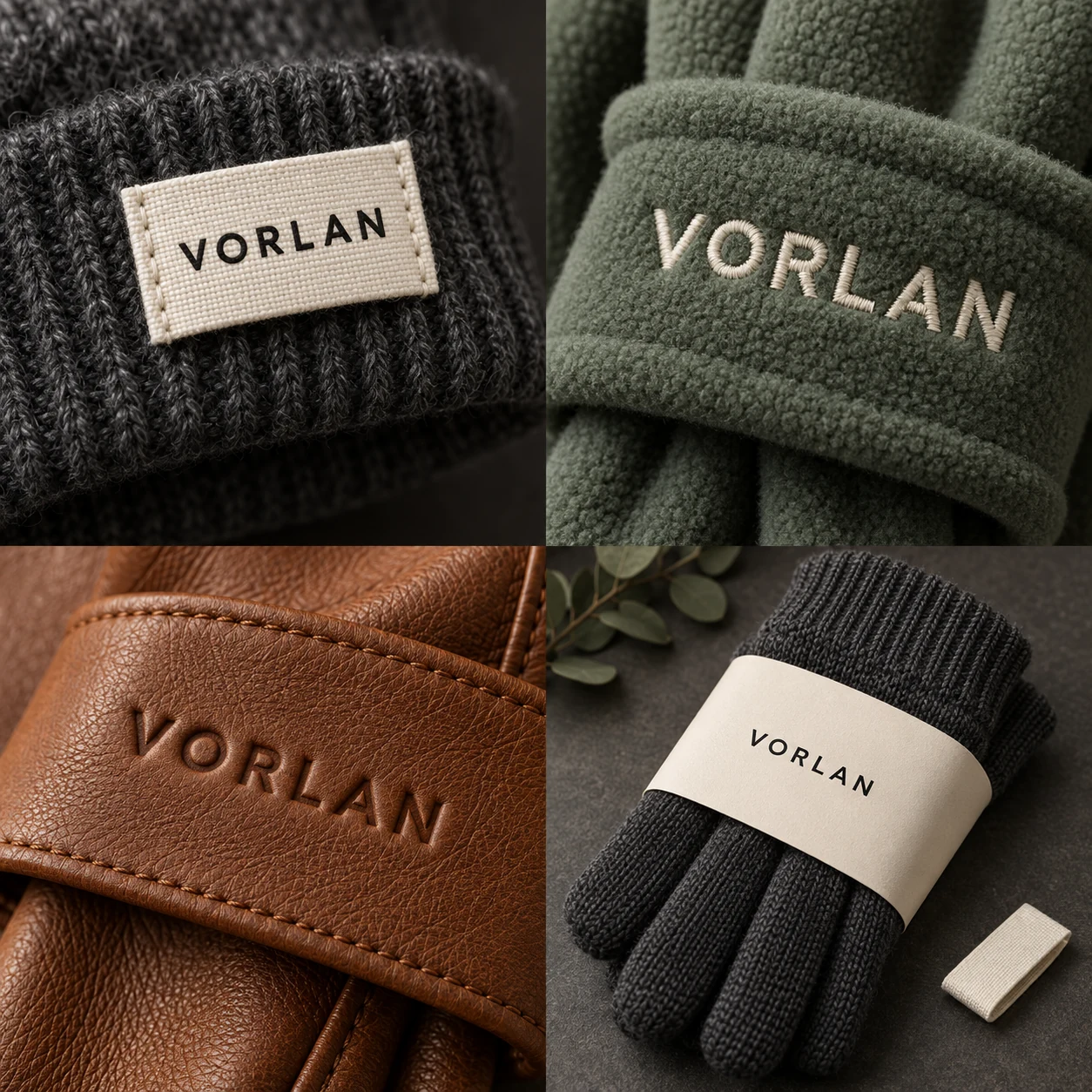
Discuss cuff embroidery or a label with our in-house team. Keep the brand detail separate from the specified fingertip contact zones.
Approve artwork placement and the complete sample before functional evaluation is closed.
 04
Keep contact-material versions identifiable by style and colorway. Agree any function-related wording with the actual assessment scope.
Use approved packaging copy tied to the supplied construction.
Your buying specification / VL-TC-01
For private label knitted touchscreen gloves, define the contact fingers and their knit zones before discussing device performance. Our factory develops the base knit and conductive detail together. Agree the intended device actions and assess them on the complete sample with the selected fit.
| Your choice | What changes | Include in the RFQ |
|---|---|---|
| Select contact fingers | Coverage is a deliberate part of the design, not an assumption that all fingertips work. | A left/right finger map and intended actions. |
| Change tip color or yarn | Appearance and contact construction must be assessed together. | The contact-material proposal alongside the body yarn. |
| Change the finger fit | The relationship between the hand and contact zone changes. | The intended size range and device-check conditions for the sample. |
Keep the selected options with this style’s material and sample file. Our own factory in Hangzhou reviews the brief for development and bulk production.
Define sample checks and their scopeYour sample brief
Mark the review points you want to discuss. Your selected reference, material directions and checks travel with your inquiry.
review points selected
Factory process / VL-TC-01
Follow the construction decisions for Knit Touchpoint through preparation, making and full inspection in our own factory.
Construction preparation
Review the proposed knit body and contact-zone material together. Mark the thumb/index coverage and any differences in appearance required by the collection.
Material references, contact locations and the evaluation brief.
In-house making
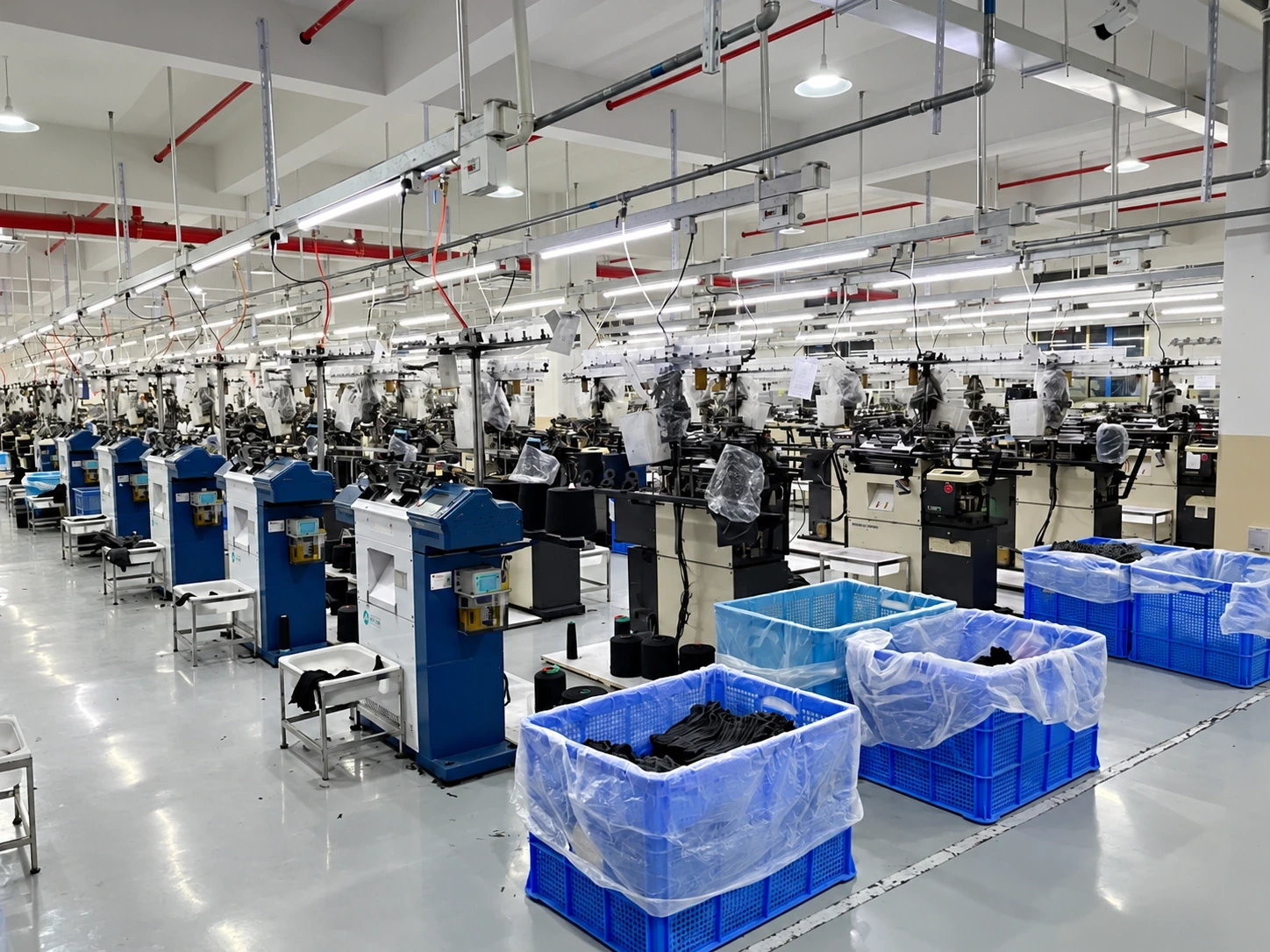
Our knitting team reviews finger proportions with the proposed contact areas. Assess the assembled glove so the functional detail is considered in its actual wearing position.
Fingertip position, coverage and agreed device interactions.
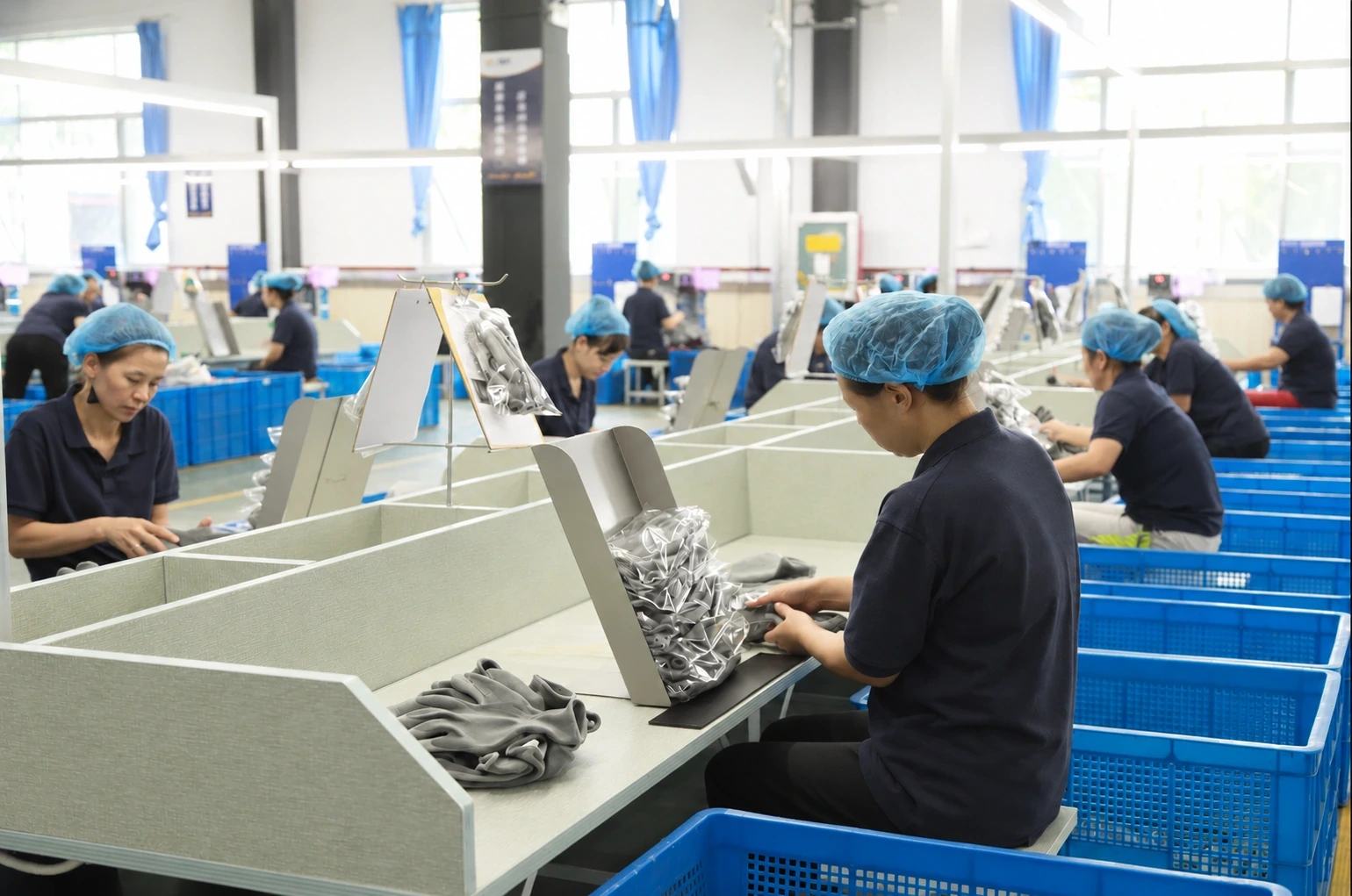
Full inspection & packing
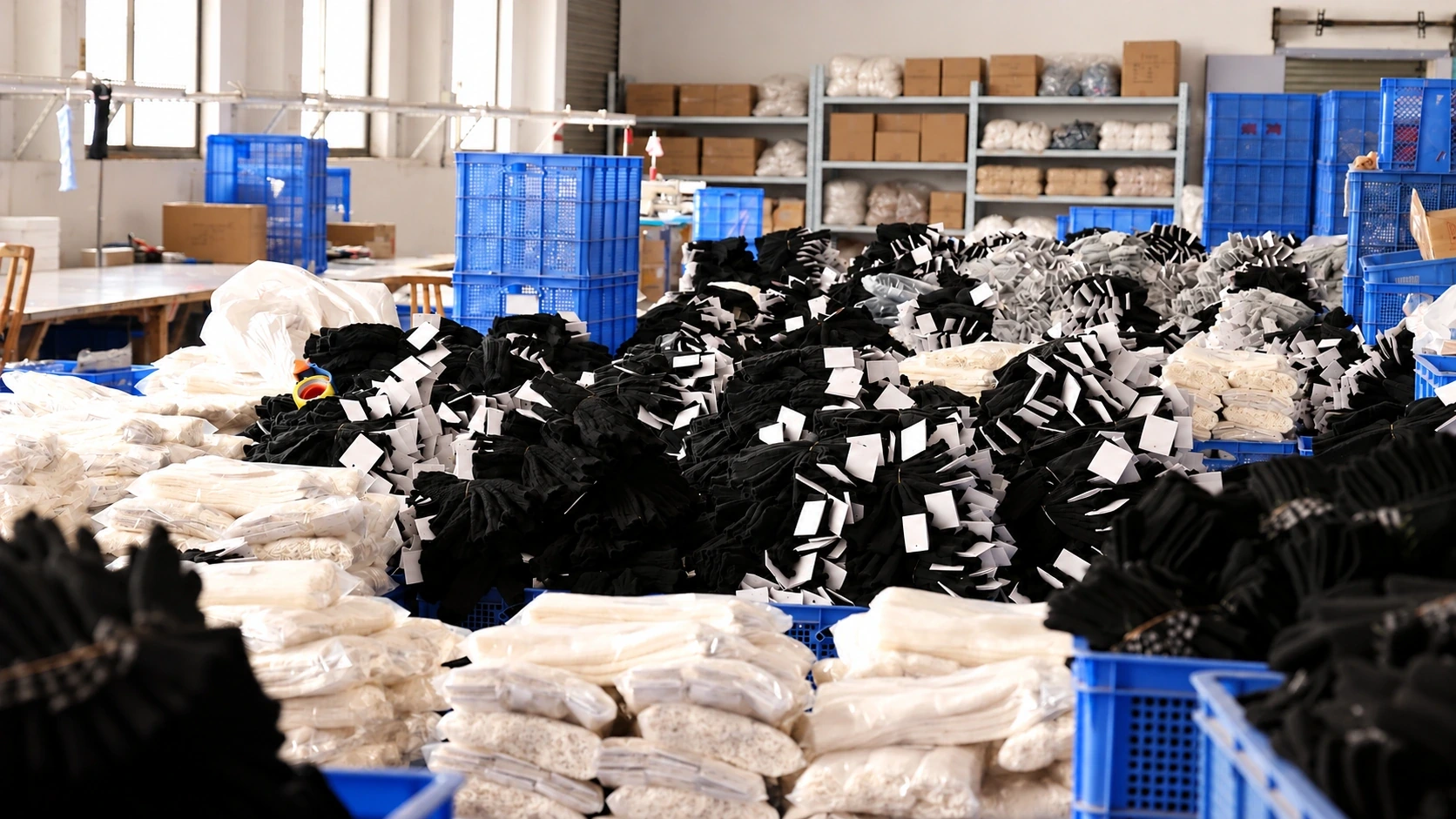
Every pair is measured and inspected for workmanship and the specified contact-zone placement. Device testing follows the separately agreed program and acceptance criteria.
Correct yarn/zone version and recorded sample assessment scope.
Cooperation / Your VL-TC-01 program
One development conversation with our own factory. Each stage connects your buying team's decision with a specific next step for Knit Touchpoint.
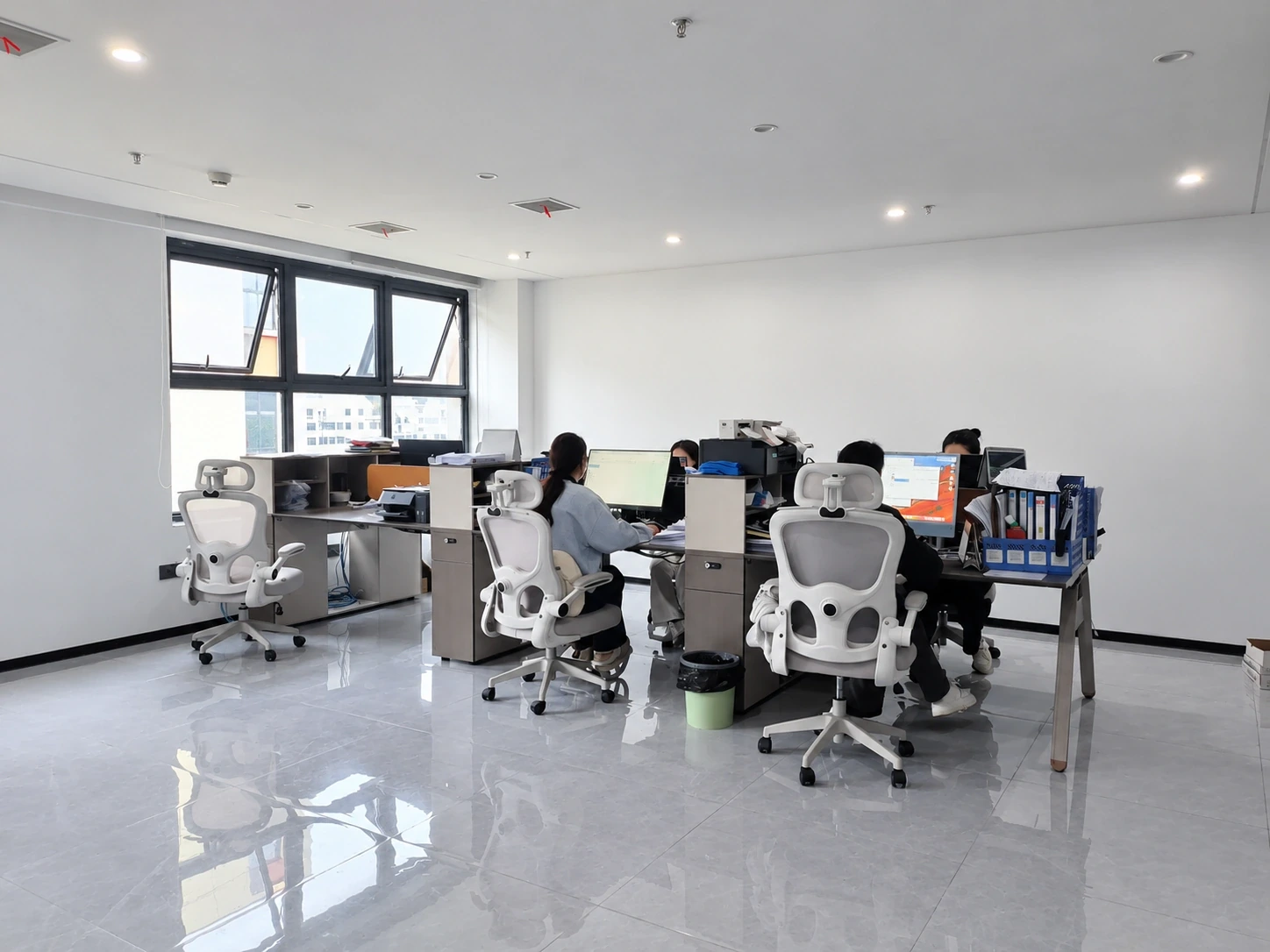
Start with VL-TC-01 — Knit Touchpoint. Knit body / thumb and index zones. Identify what stays and what you want to change.
We review the brief against the relevant operations in our own factory and identify the decisions needed for quotation.
A defined development scope.
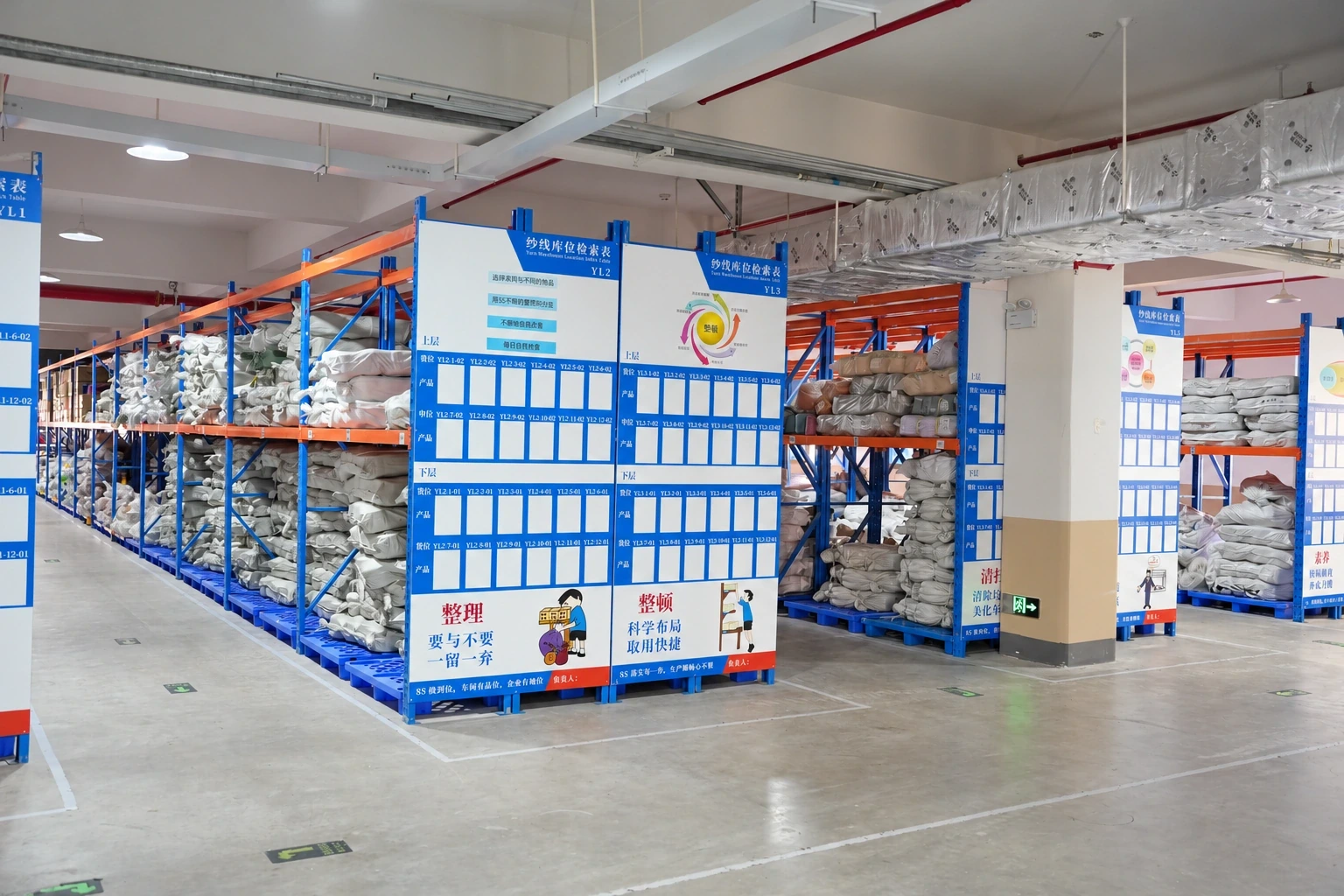
Give quantities in pairs by style, color and size, plus artwork, packing, destination and target timing.
Confirm the proposed material route, sample scope, order minimum and timing against those requirements. Resolve open cost items before comparing offers.
A quotation tied to one specification.
Review contact-zone extent and fit at the fingertip. Approve the base fit and contact placement together. Agree the device assessment and acceptance criteria separately.
We develop the physical glove and work through your consolidated comments. Sampling is 7–10 working days from the agreed start.
A complete glove with resolved revisions.
Confirm assessment context alongside the sample version, measurements, material references and artwork. Nominate the person who approves changes.
Connect the approved file with the workshop requirements. Agree the production start and the scope for the order.
Written approval for the production version.
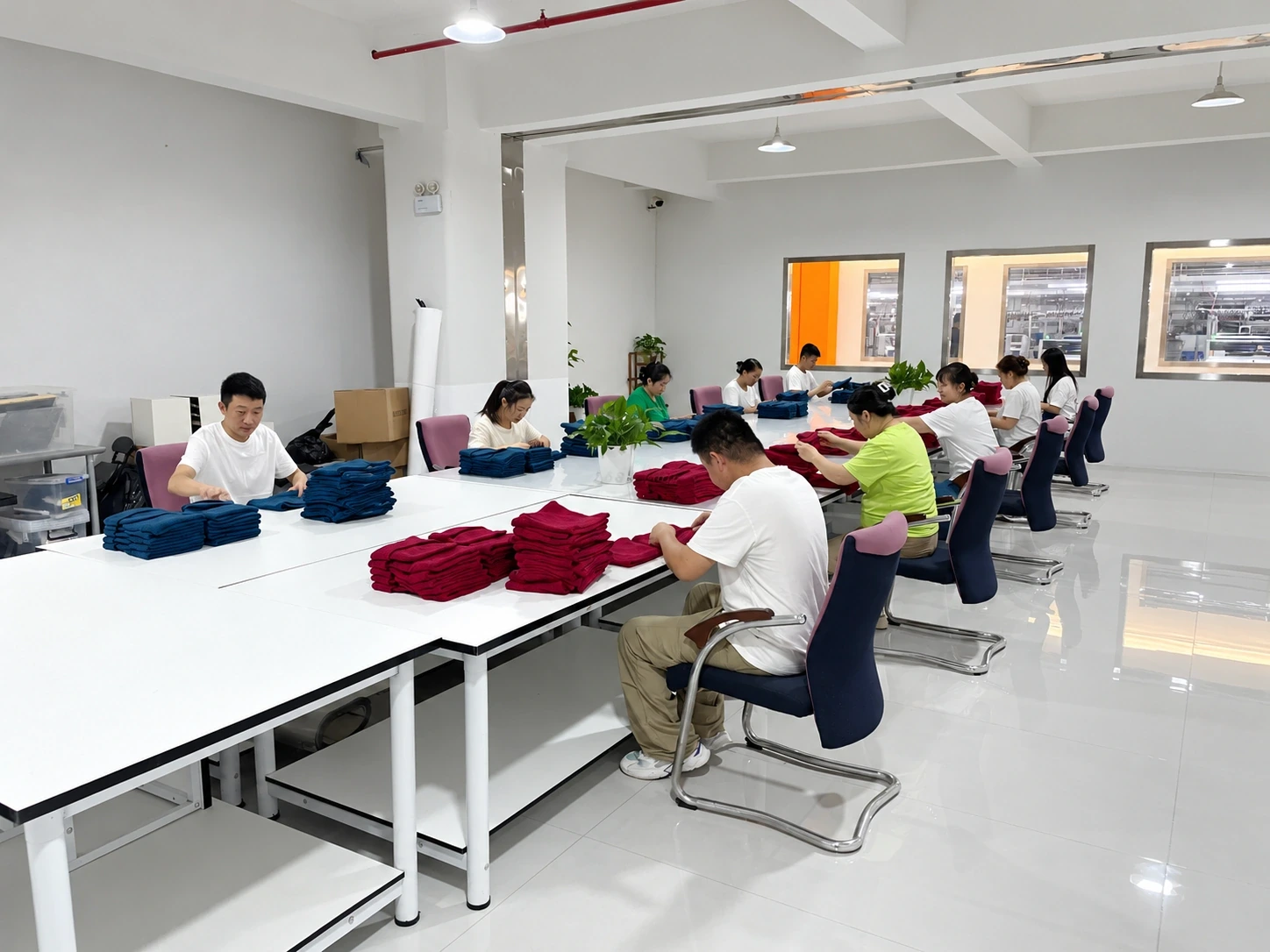
Agree acceptance criteria and the inspection information your team needs. Keep additional testing requirements explicit.
Our factory produces and inspects every pair, including dimensions. Nonconforming goods are isolated, reworked and reinspected. Bulk production is 30–45 working days from the agreed start.
Accepted pairs for the agreed assortment.
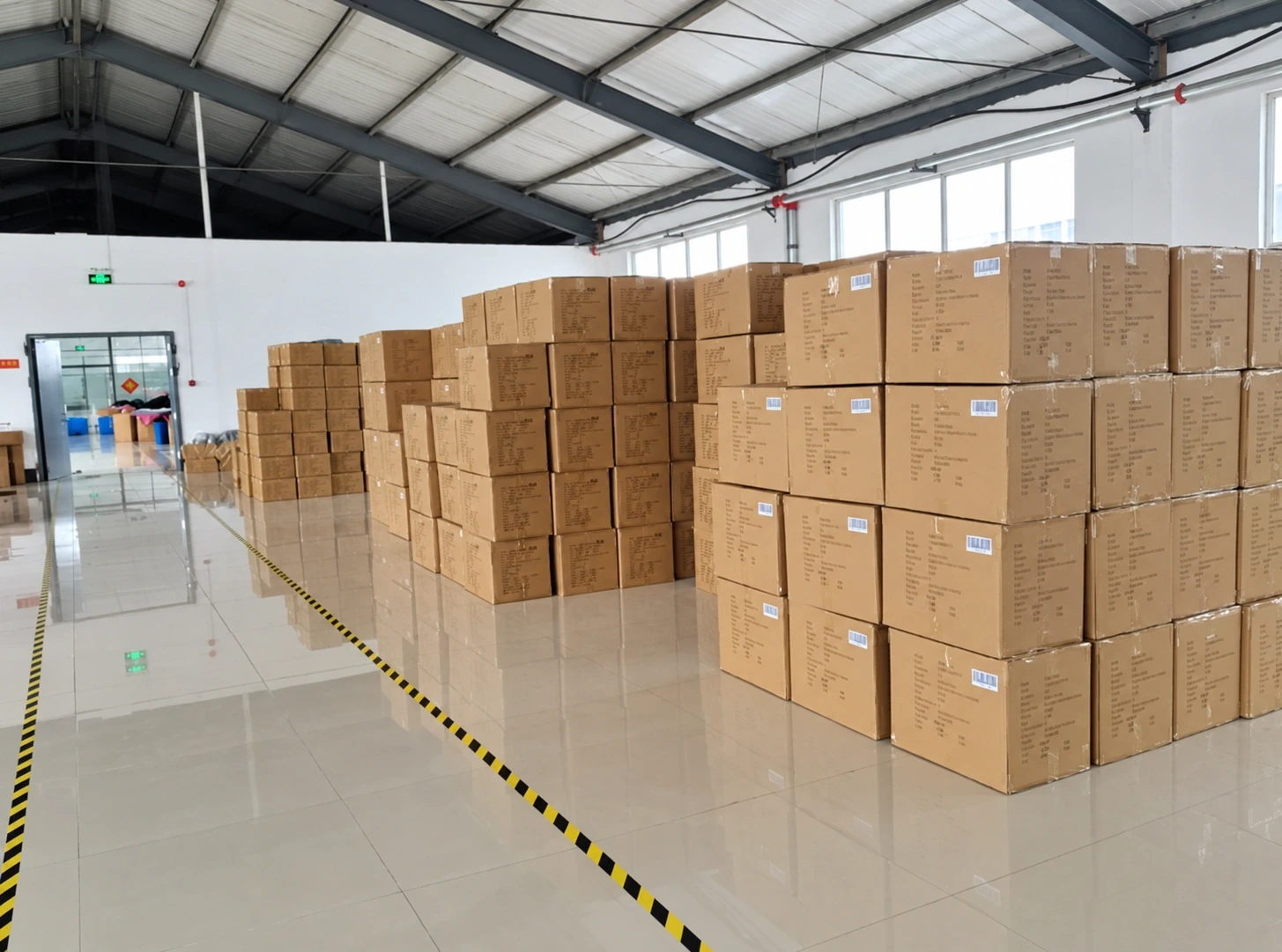
Use approved packaging copy tied to the supplied construction. Confirm pack quantities, carton marks and delivery instructions, and identify any changes for a repeat order.
Prepare the agreed style, color and size assortment and its packing. Coordinate the dispatch scope and documents required for the order.
A defined handoff and reorder reference.
Before you start
Yes. VORLAN operates its own glove factory. Knitting, cutting, sewing, finishing, inspection and packing are carried out in-house, using the operations required for your selected construction. Embroidery, printing and leather debossing are also handled in our own factory; the method is approved on the chosen material.
Name the devices, screen setup, intended actions and review conditions. Record the sample size and version so the assessment can be linked to the actual glove construction.
Identify the proposed base/contact combinations and review material availability and appearance with us. Assess the approved complete sample before extending any functional wording to a new version.
Every pair is inspected, including dimensions and the specified construction. Device testing is a separate agreed scope: define the device set, method, coverage and acceptance criteria for your order.
Name the desired contact zones in the first brief, but review them on the fitted complete sample. Finalizing the material or finger fit later can change the conditions under which contact was assessed.
The MOQ is 300 pairs per style per color. Sampling takes 7–10 working days and bulk production takes 30–45 working days, with start dates confirmed against the agreed project. Allow separately for material confirmation, revisions, transport and clearance. Packing configuration is agreed in the order specification.
Provide your size chart or agree the size development required. Define measurement points, units, condition and method; approve targets and allowed variation for each required point. Review the assembled glove with the chosen materials, lining and cuff.
Send the artwork, dimensions, placement and destination-specific wording. Our factory reviews the application on the selected construction. Keep the applied brand approval, material references, size specification and packing instructions with the Knit Touchpoint order version.
Yes. We inspect every finished pair, including dimensions against the agreed size specification, as well as workmanship, pairing and labels. The measurement points, method and tolerances are agreed for the order. Specialist or laboratory testing has a separate defined scope.
Nonconforming gloves are isolated, reworked and reinspected in our own factory. The revised pair is checked against the agreed requirements before it can return to the accepted order quantity.
Retain the approved sample and the named material, pattern, size, artwork and packing versions. Keep the construction-specific decisions from your sample review with that file. Identify every proposed change and reconfirm its approval, quotation and production timing.
Compare the constructionCompare the fine-texture version when a narrow cuff and finer knit surface are part of the collection brief. Each construction needs its own fit and device assessment.
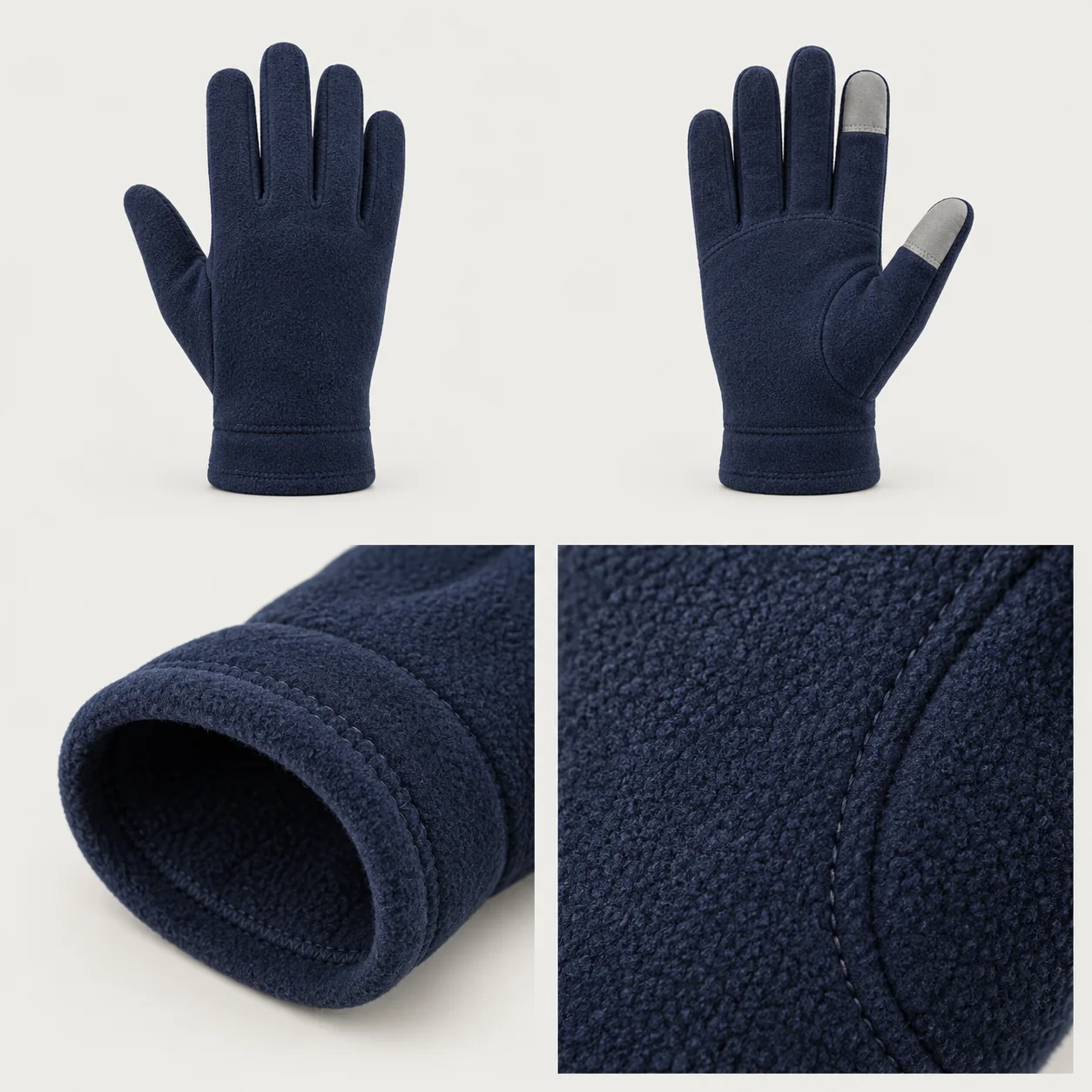
Fleece panels / fingertip contact patches
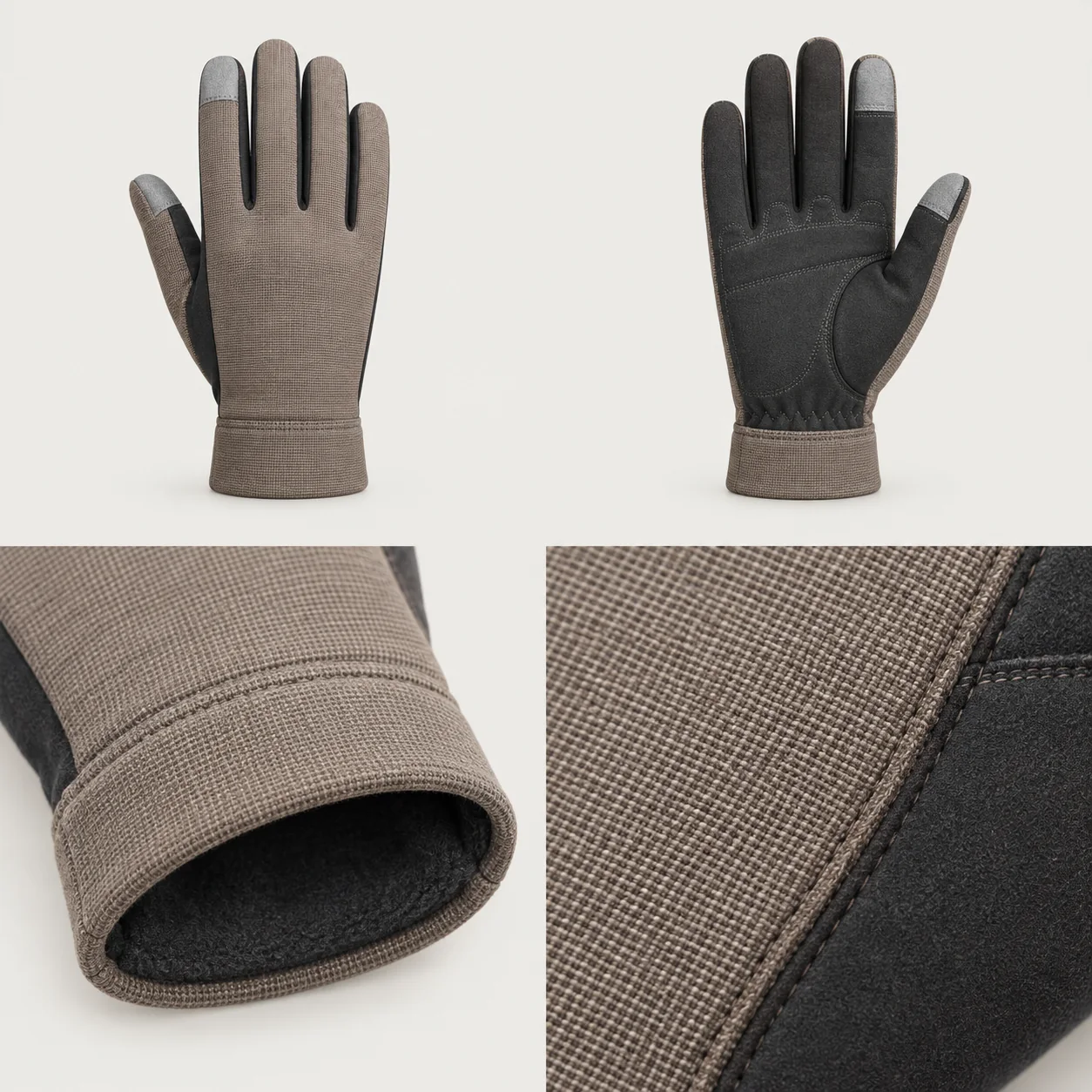
Textile back / contrast palm / contact patches
Fine-texture knit / narrow rib / contact tips
A project for your brand
Work with our own glove factory. Send your specification, assortment and brand files so we can review sampling, in-house production and inspection for your order.
Preparing your project brief…