Glove manufacturing for brands
Since 2016 · Europe & North AmericaTell us about your project

OEM / ODM development

Custom Glove Manufacturer.

Develop a complete private label glove specification: materials, construction, graded sizes, colorways, labels and packaging. Keep the approved sample and specification version together for production and repeat orders.

Developed in our own factory for business buyers. The collection introduces material and construction possibilities; your brief can extend beyond the styles shown.

Your brief. A production-ready result.Private label brands · Sourcing teams
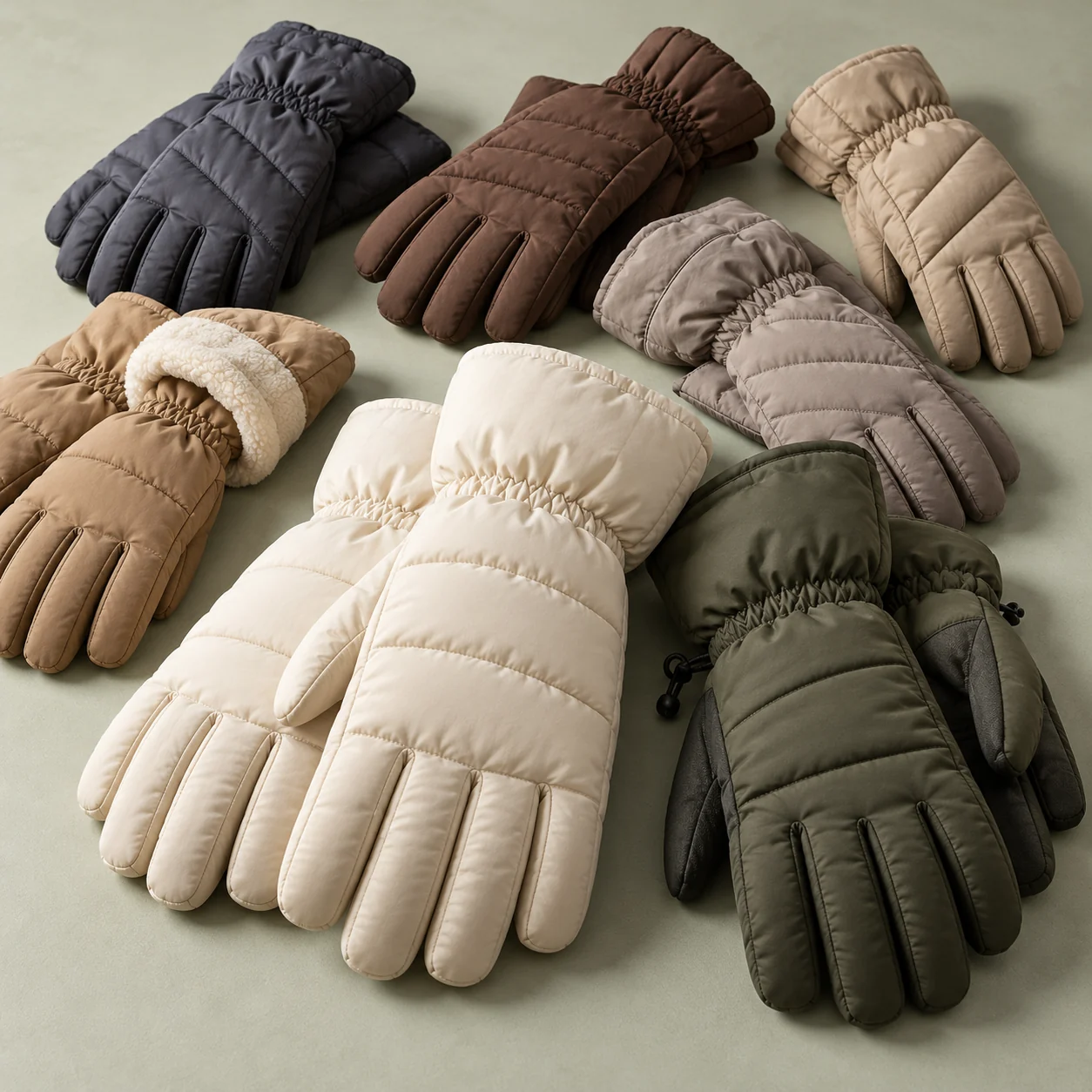
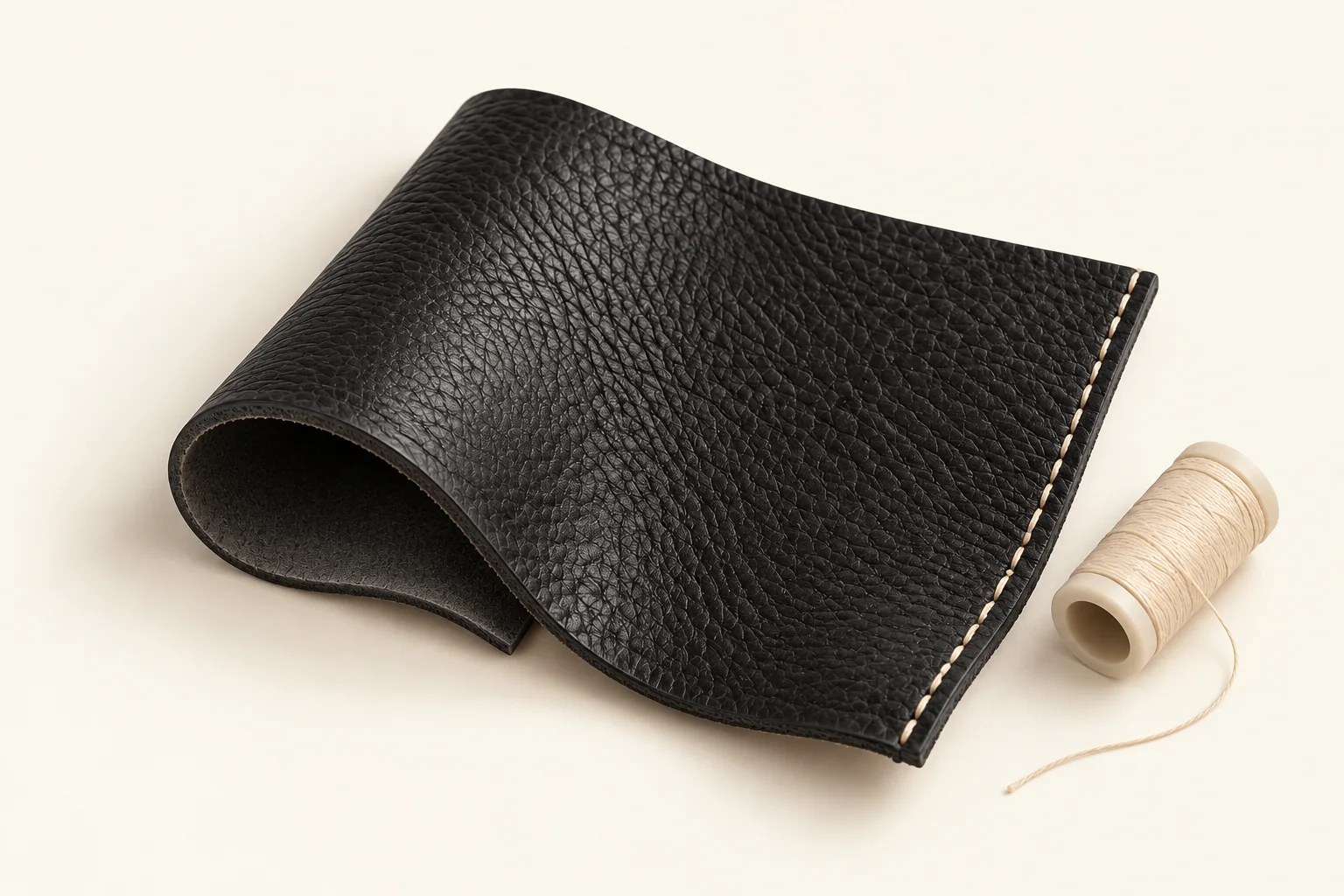
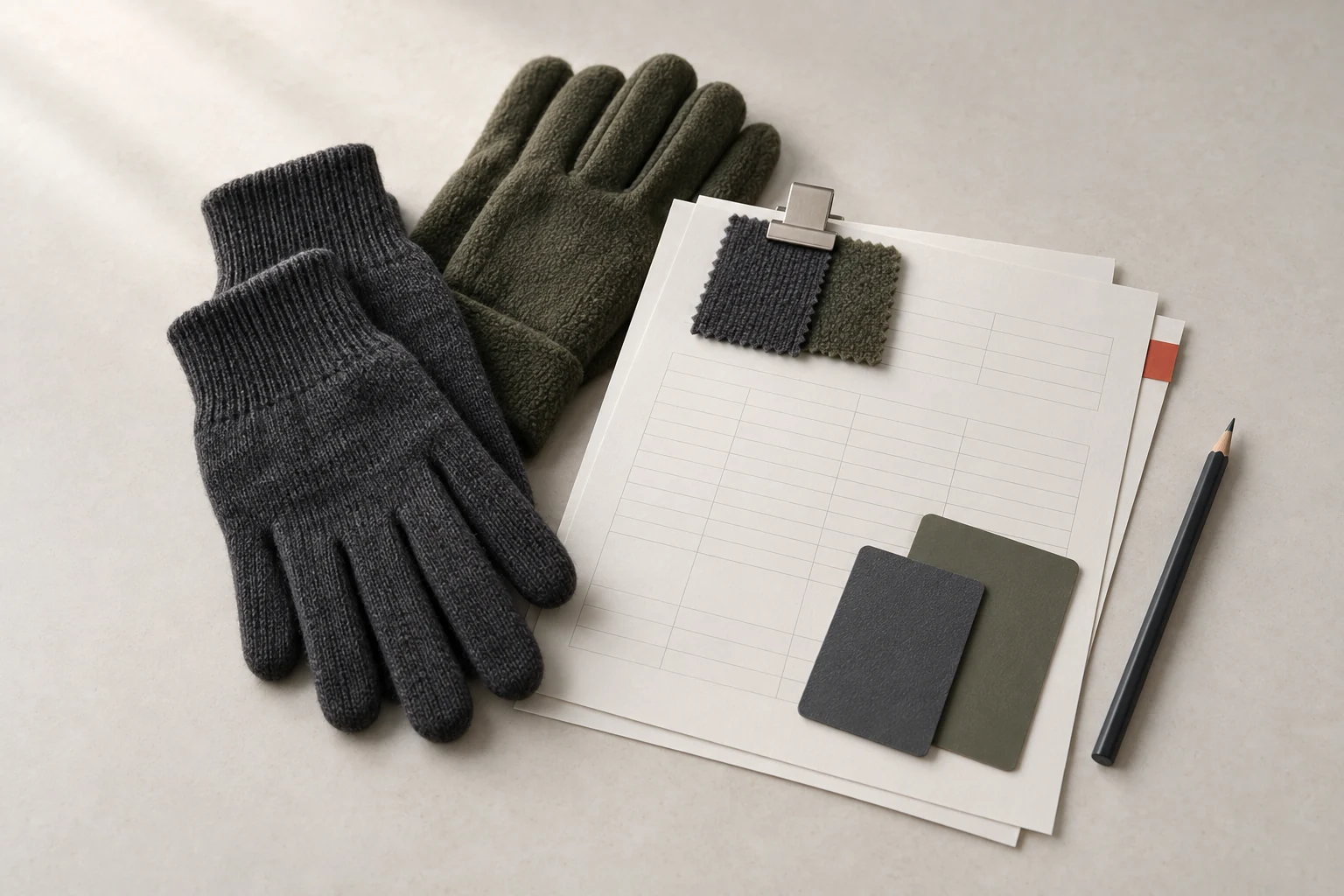
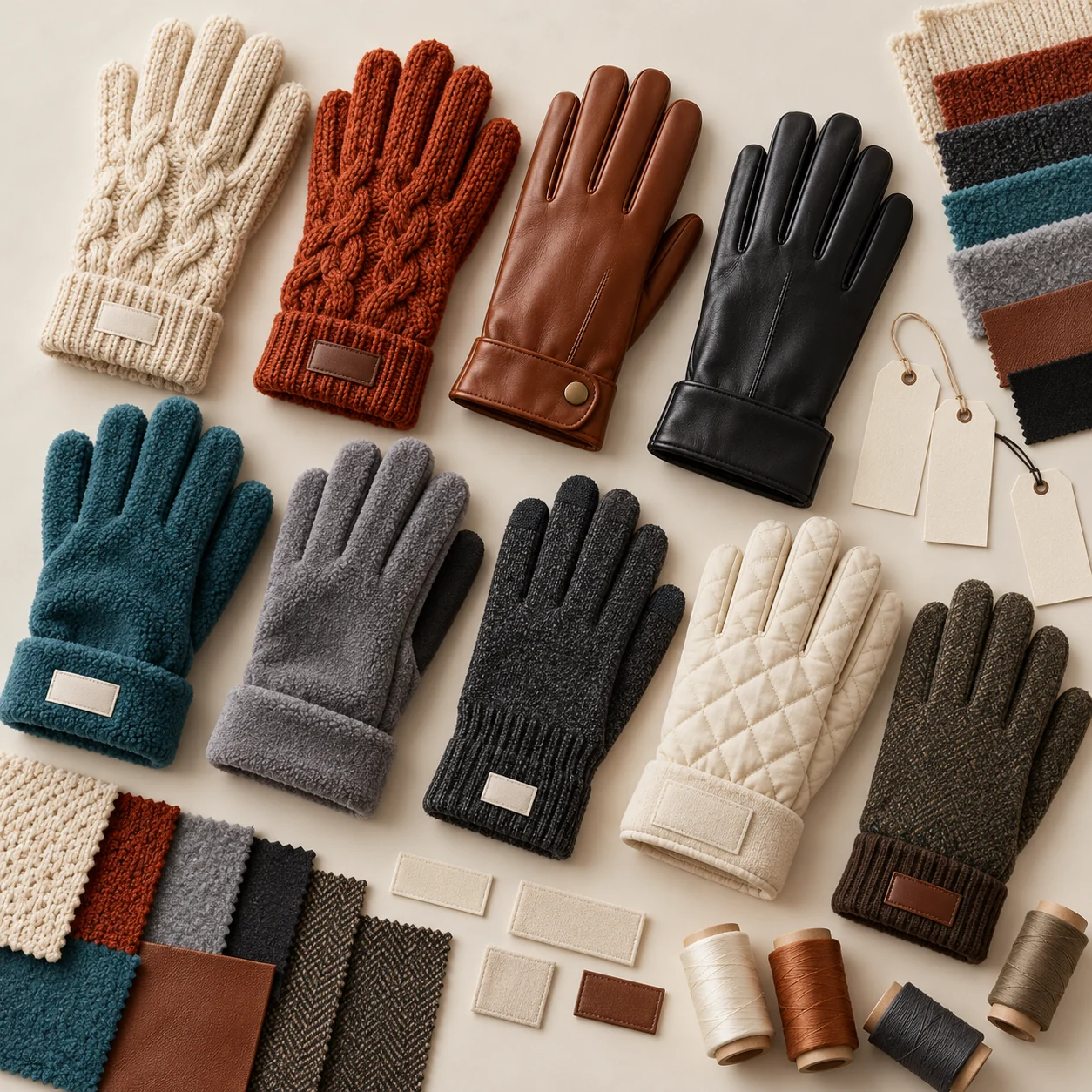
Overhead studio collection of knit, leather, fleece and quilted glove designs with material swatches, blank labels and thread
Material combinations, label placements and construction directions for your brief.
Minimum order
300pairs / style / color
Sampling
7–10working days
Bulk production
30–45working days
Prepare your glove RFQ

Make the shortlist

Separate your fixed details from open choices.

Your first decision

Bring the existing style or collection idea. Identify the material, shape or brand detail that must remain, and the decisions you want our factory to develop.

When to compare another route

Choose the closest construction family as the starting point. A single focused reference is more useful than several unrelated images with no stated priority.

Compare the construction choices

Five starting points

One program. Your material direction.

Build from a reference, bring an established style or combine material ideas in a new brief. Each route starts with a review of what is fixed and what needs development.

Material to glove / our own factory

Choose the material route for your specification.

Bring an existing sample or develop a new combination with our own factory. Each material route needs its own construction decisions and approval references.

Choose a direction to compare the material with its glove detail.

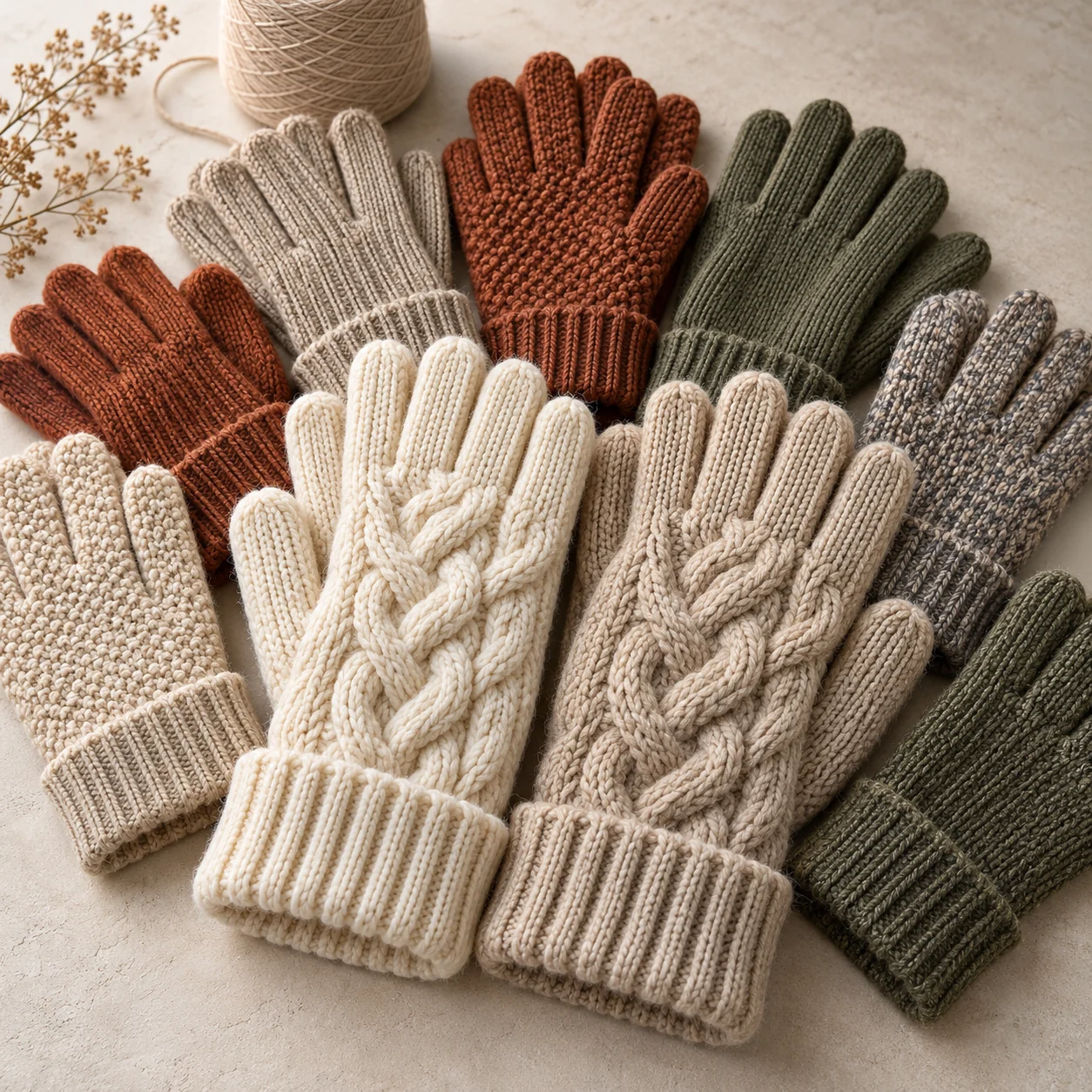
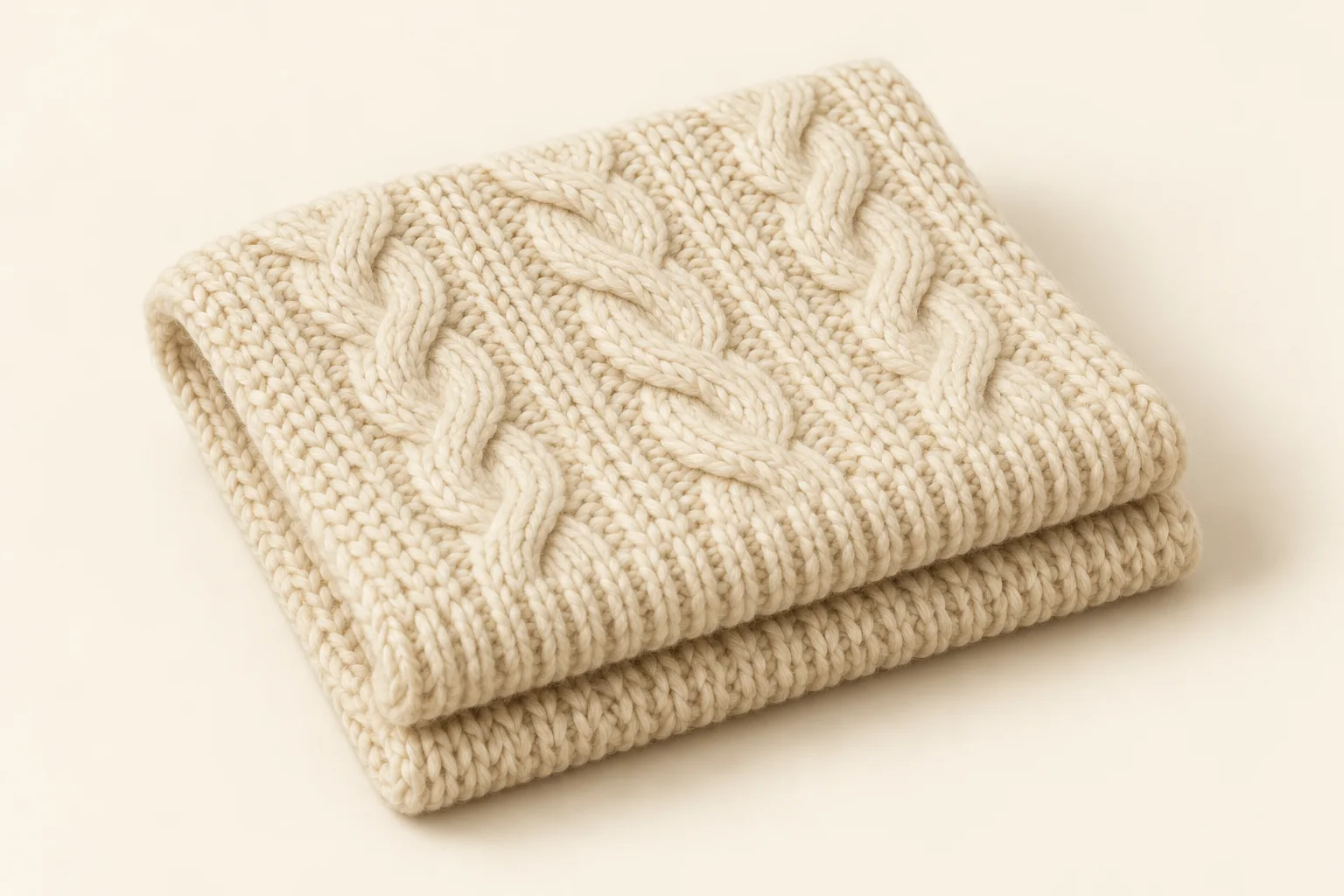
Cream knitted swatch with raised interlacing cables and rib edge
01 / Material directionCable knit
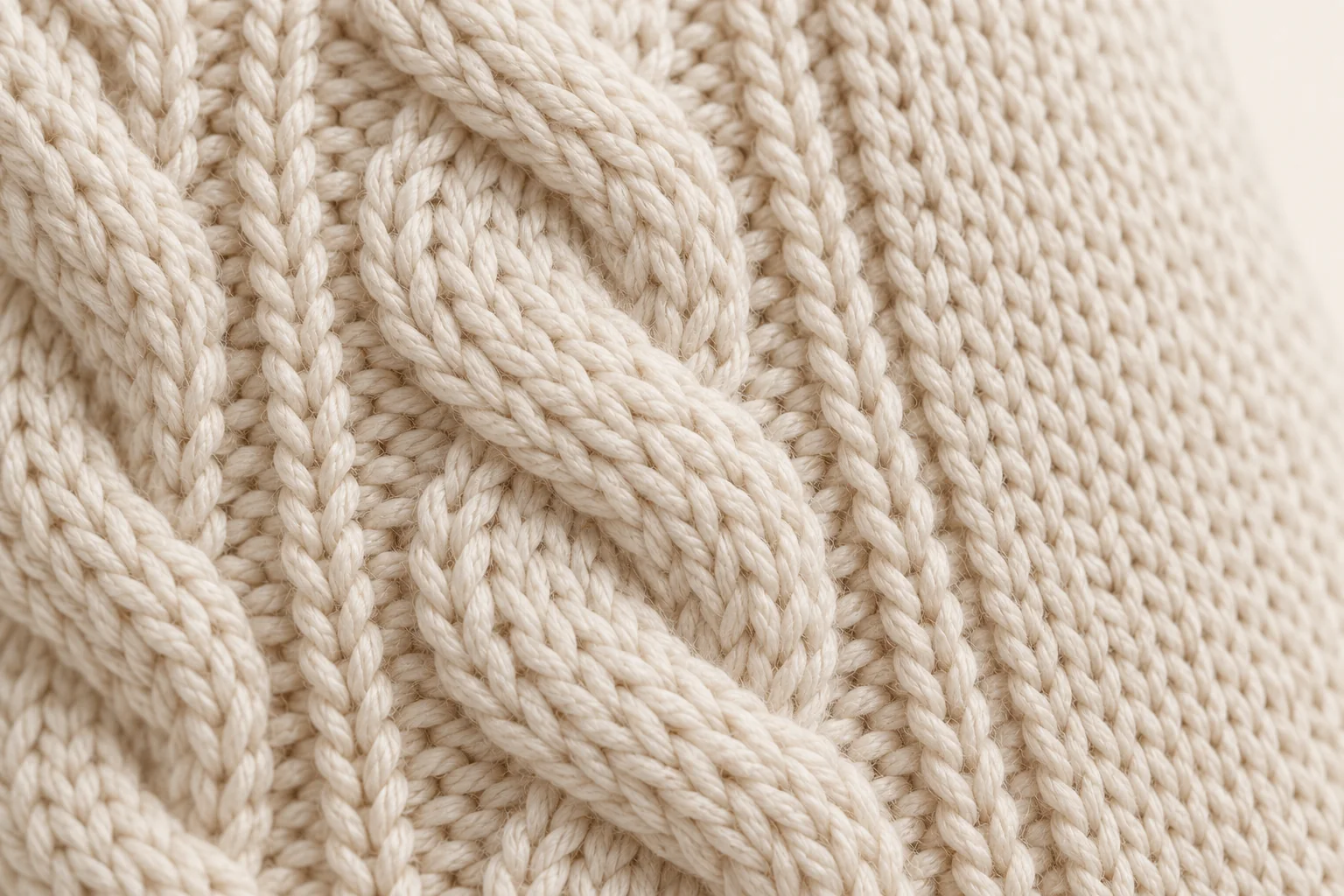
Cream/ecru cable-knit glove: a small section of hand back near the side edge.
02 / Applied detailCable Knit

Build from yarn and structure.

Use a yarn or knit reference to define texture, pattern placement and cuff direction. Review these together with the requested size range.

Agree through sampling

Connect yarn identifiers and color references to the approved knit sample.

Explore this construction

Development decisions

One specification. Every component.

Turn a brand brief into a controlled glove development program. Bring a tech pack, reference sample or concept, identify what is fixed and what needs development, and agree the scope before sampling. A custom project should finish with a clear specification and approval record that can support repeat production.

Glove development samples and the supporting material briefReference and project brief

For an established design, identify the approved references and requested changes. For a concept, describe the collection, material direction and target market so the team can review the development work required.

Review on the complete sample

The specification file

Build the production specification file.

Use these checkpoints to separate what you request from what must be confirmed before production.

SpecificationInclude in your briefConfirm on approval
01Project brief

Include in your briefDescribe the glove category, target market, design references and required delivery date.

Confirm on approvalA written scope identifying the development route and open decisions.

02Material decisions

Include in your briefSeparate mandatory compositions and finishes from options to be sourced.

Confirm on approvalAn approved material list with swatch or sample identifiers.

03Pattern and fit

Include in your briefSupply measurements or agree the size-chart development work required.

Confirm on approvalGraded dimensions, tolerances and sample fit approval.

04Brand assets

Include in your briefProvide usable artwork, dimensions, placement, color references and label copy.

Confirm on approvalApproved label, size and care-mark artwork with placement, attachment and the sample version.

05Commercial scope

Include in your briefList quantities per style and color and request clear terms for development, packing and shipment.

Confirm on approvalA quotation with inclusions, exclusions and agreed order terms.

06Production handoff

Include in your briefResolve revisions and identify the final sample, specification and assortment version.

Confirm on approvalOne versioned file linking the material list, construction, graded sizes, colorways, labels, packaging and approved sample before the production start.
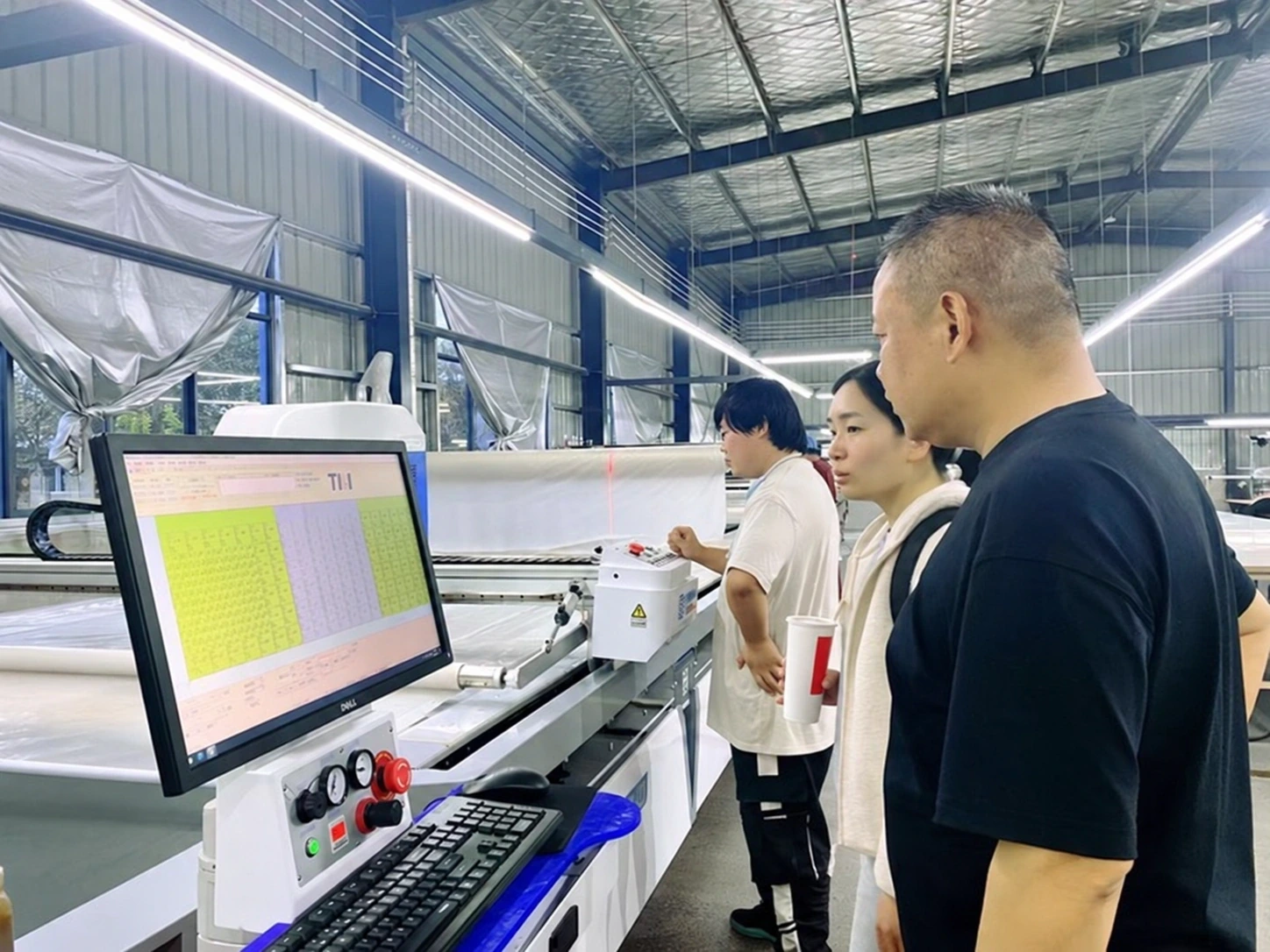
People reviewing a cutting-machine control screen in the workshop
Workshop coordination connects the brief with the manufacturing route. Retouched factory photograph.

From reference to release

One approved version for production.

Connect the material list, construction, graded sizes, colorways, artwork and packing to one sample version. Name the approval contact and resolve open changes before agreeing the production start or releasing a repeat order.

  • 01Development scope with fixed requirements and open decisions
  • 02Approved material, fit and construction specification
  • 03Final sample record, brand artwork and revision history
  • 04Quoted assortment, packaging and production handoff file
Explore the quality process

Factory process / In-house production

The brief travels
with the glove.

Connect the chosen material and construction with the work that follows. Our own factory carries out production, brand application, dimensional inspection and packing around your approved construction.

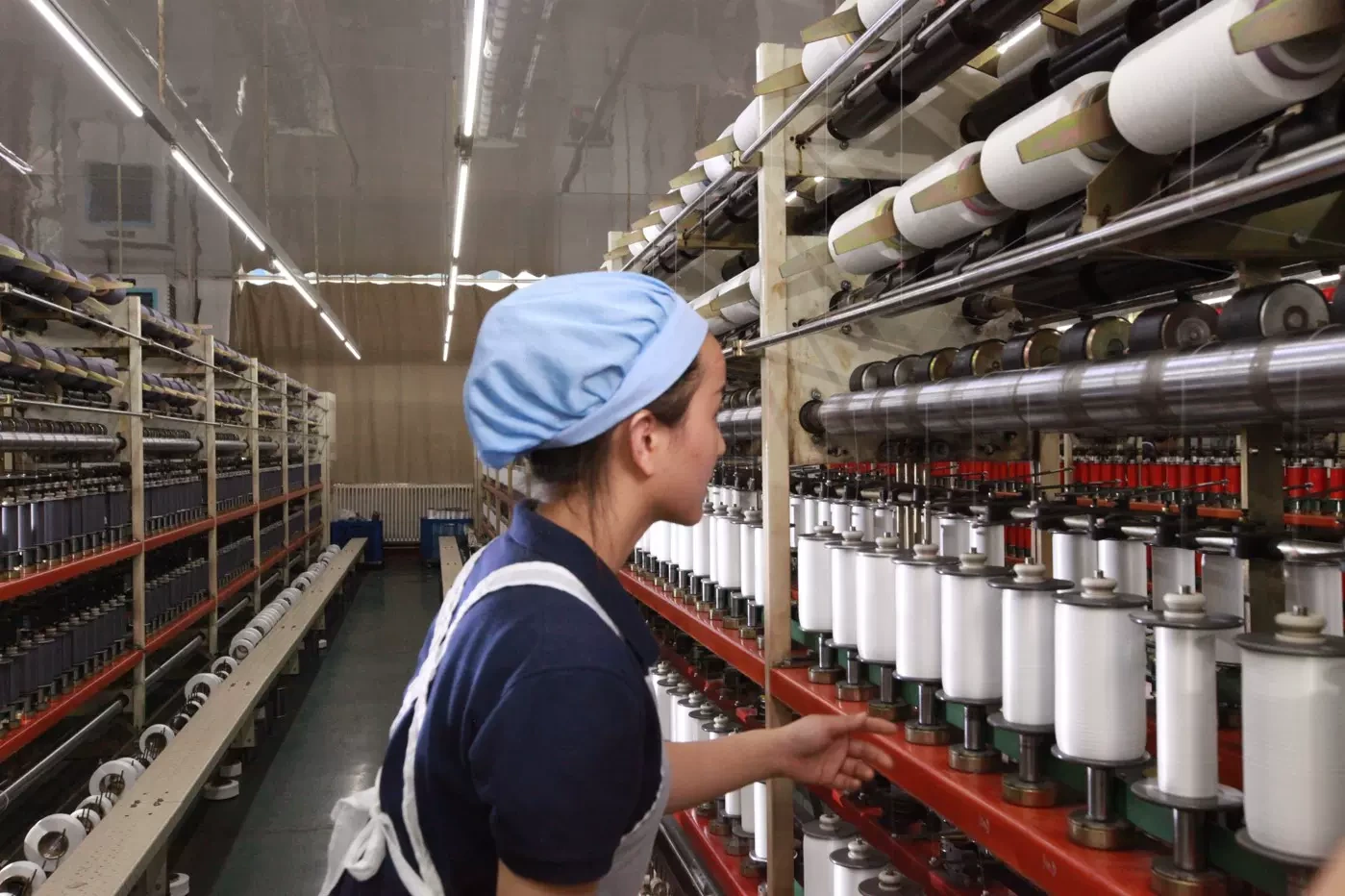
  1. Operator working beside yarn-winding equipment
    Yarn preparation at the factory.Factory photograph
    01 / Prepare

    Resolve the material direction.

    Identify the main material, lining, cuff and trims. Select physical references for the combinations proposed in your collection.

    Your approval checkpoint

    Keep the material versions with the construction and sample brief.

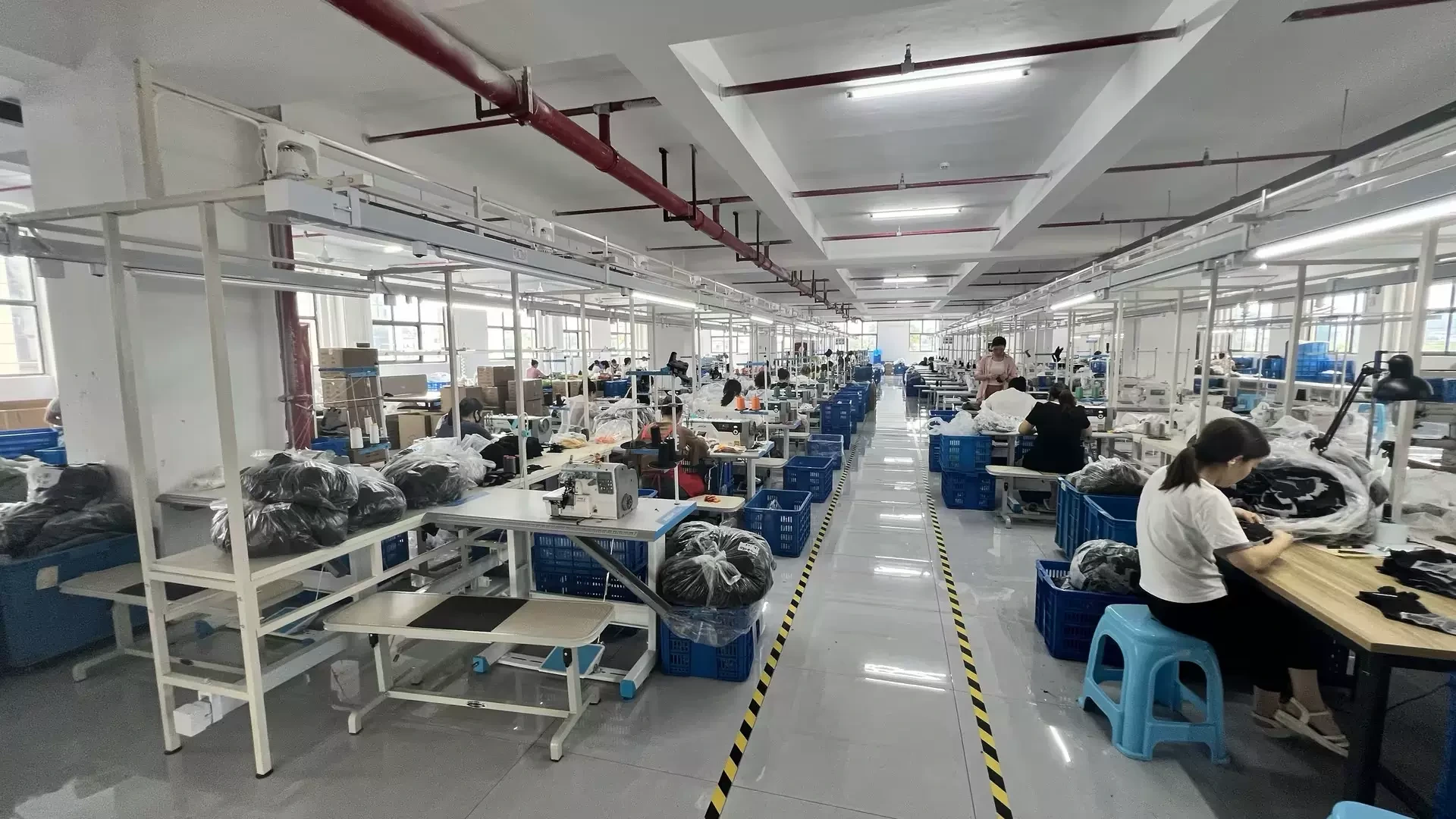
  2. A sewing workshop with rows of workstations and blue storage bins
    The factory sewing workshop.Factory photograph
    02 / Make

    Approve the complete construction.

    Use sample revisions to close questions about shape, inside finish and branding. Specify which route applies to each style.

    Your approval checkpoint

    Retain one approved sample version and matching production instructions.

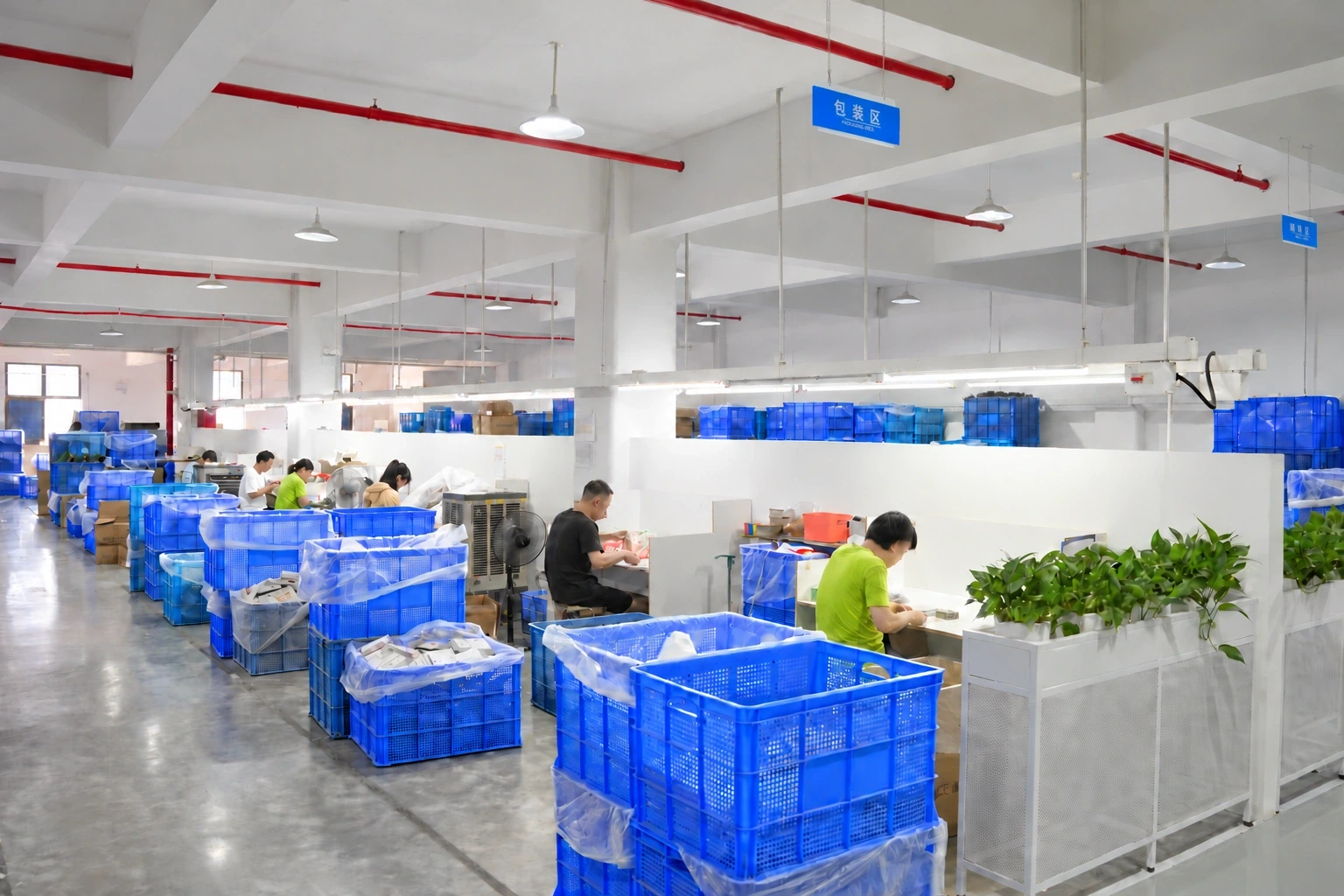
  3. Workers preparing items at packing stations with blue sorting bins
    Glove sorting and packing in the factory.Retouched factory photograph
    03 / Inspect & pack

    Inspect every pair. Confirm the assortment.

    We carry out full inspection of finished pairs. Keep the approved workmanship, measurements, labels and packing instructions together when preparing the order.

    Your approval checkpoint

    Confirm style, color, size, pairs per pack and carton identification before release.

Working directly with our factory

Your team. Our team.
One agreed next step.

Move from collection choices to a clearly defined OEM or private label order. The cooperation process keeps buyer decisions and factory work connected.

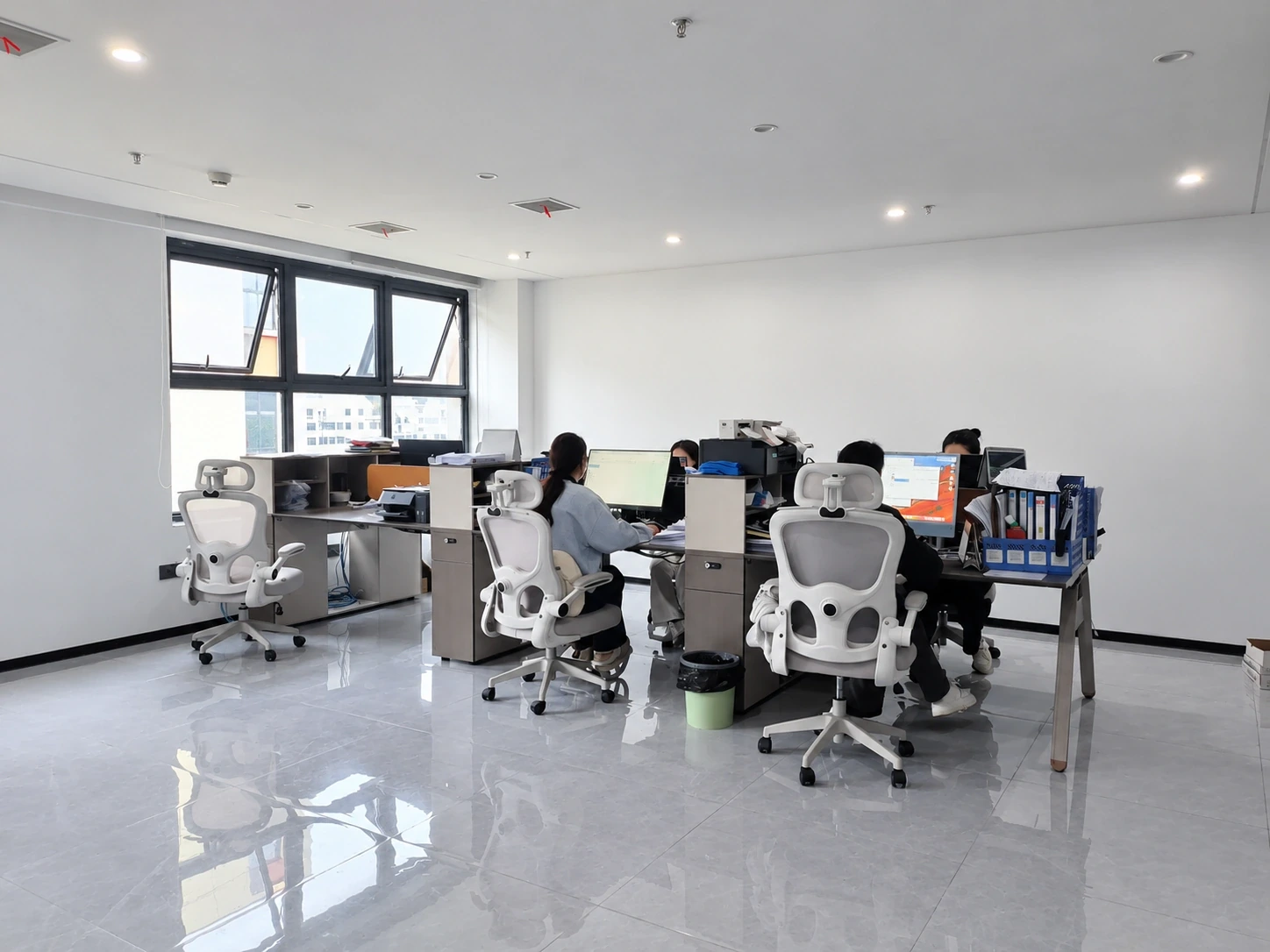
  1. Office workstations used for factory coordination
    01Project coordination / factory office

    Send the buying brief.

    Your buying team
    Your category, authorized reference, material direction and the details that need development.
    Our factory
    We review the brief against the relevant operations in our own factory and identify the decisions needed for quotation.

    A defined development scope.

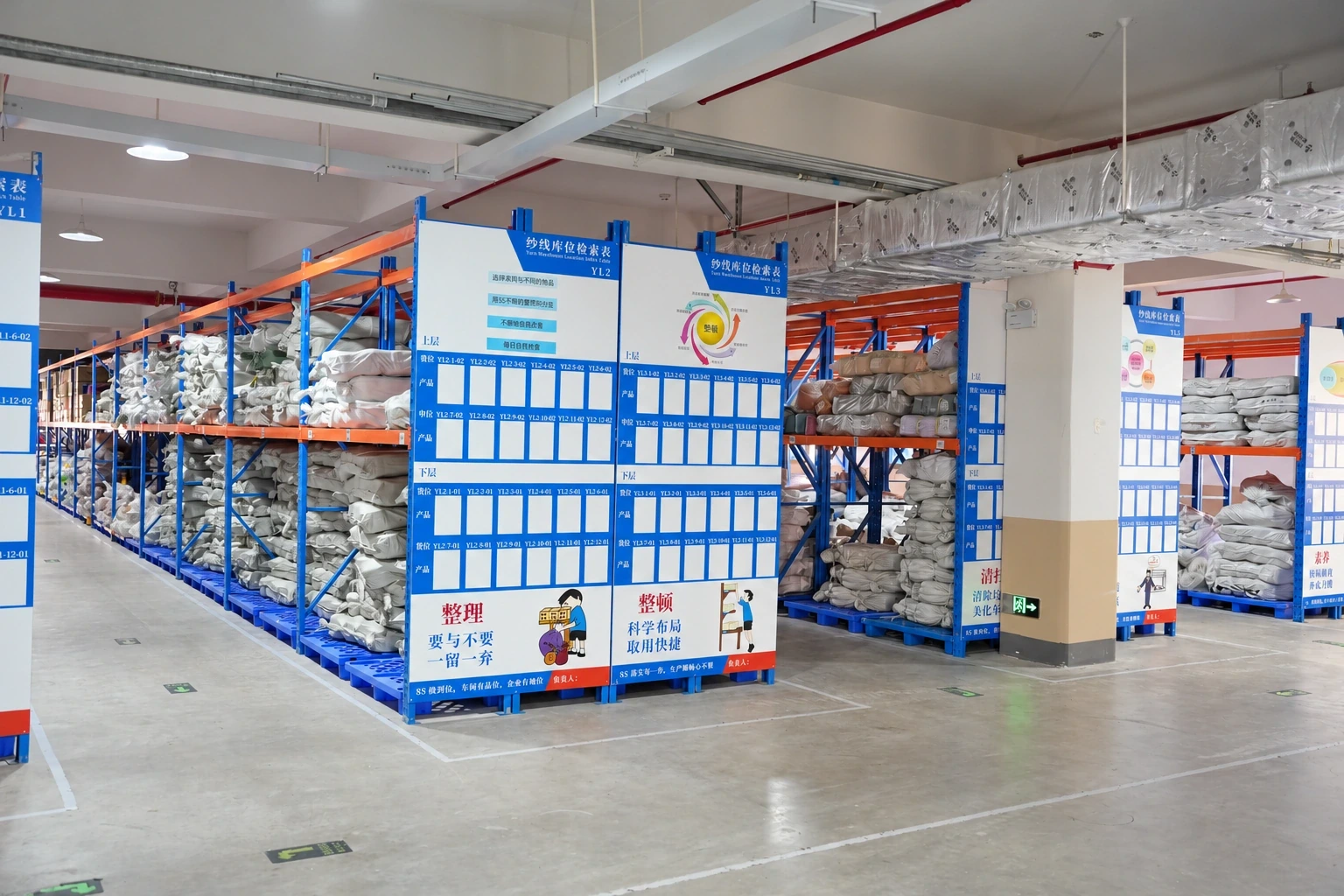
  2. Yarn cones stored on organized warehouse shelving
    02Yarn references / material and quotation scope

    Align the quotation basis.

    Your buying team
    Give quantities in pairs by style, color and size, plus artwork, packing, destination and target timing.
    Our factory
    Confirm the proposed material route, sample scope, order minimum and timing against those requirements. Resolve open cost items before comparing offers.

    A quotation tied to one specification.

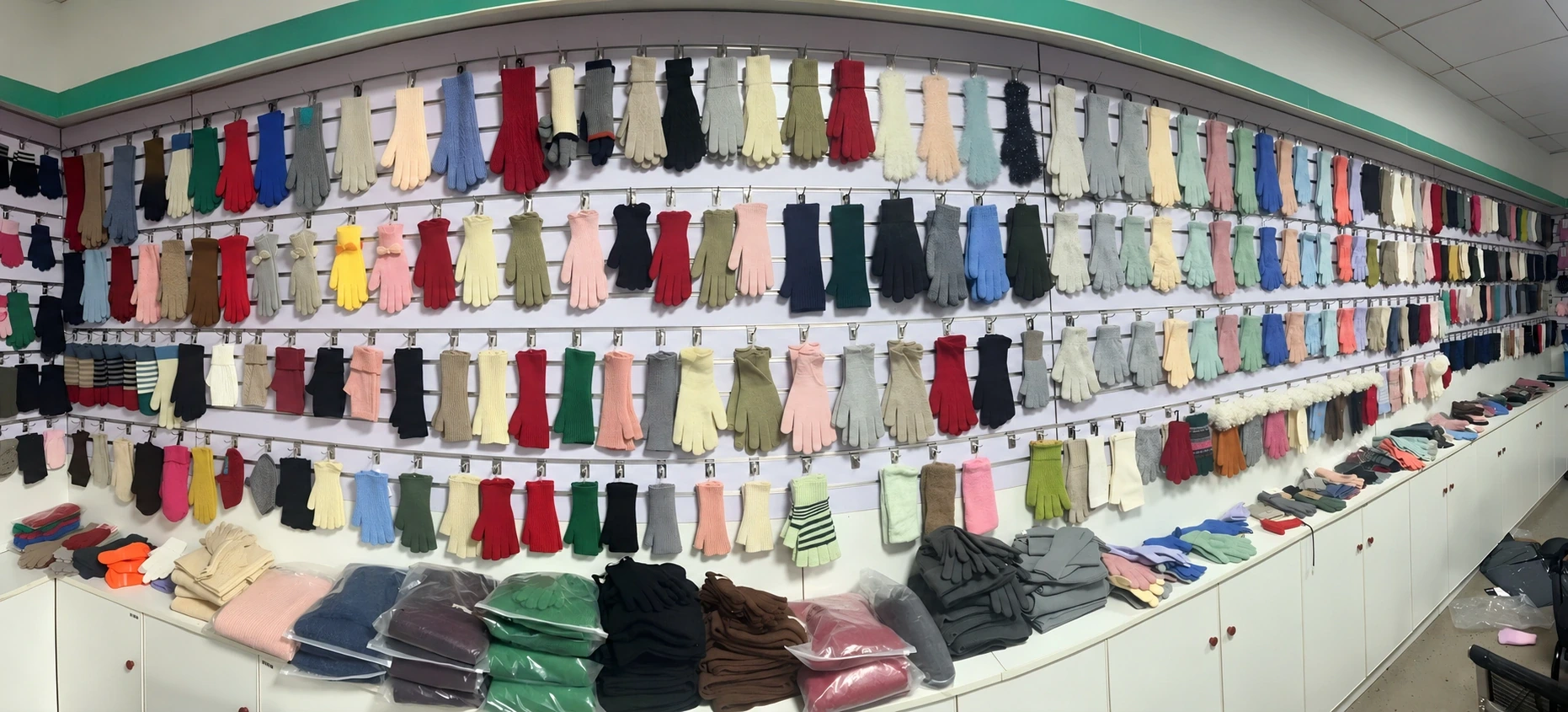
  3. Glove development references displayed across a sample wall
    03Development references / factory sample display

    Develop and review the sample.

    Your buying team
    Review materials, construction, graded fit and the brand application on the complete physical sample.
    Our factory
    We develop the physical glove and work through your consolidated comments. Sampling is 7–10 working days from the agreed start.

    A complete glove with resolved revisions.

  4. People reviewing a cutting-machine control screen in the workshop
    04Workshop coordination / production setup

    Approve the order reference.

    Your buying team
    Confirm the sample version, measurements and tolerances, material references, artwork and assortment. Nominate the person who approves changes.
    Our factory
    Connect the approved file with the workshop requirements. Agree the production start and the scope for the order.

    Written approval for the production version.

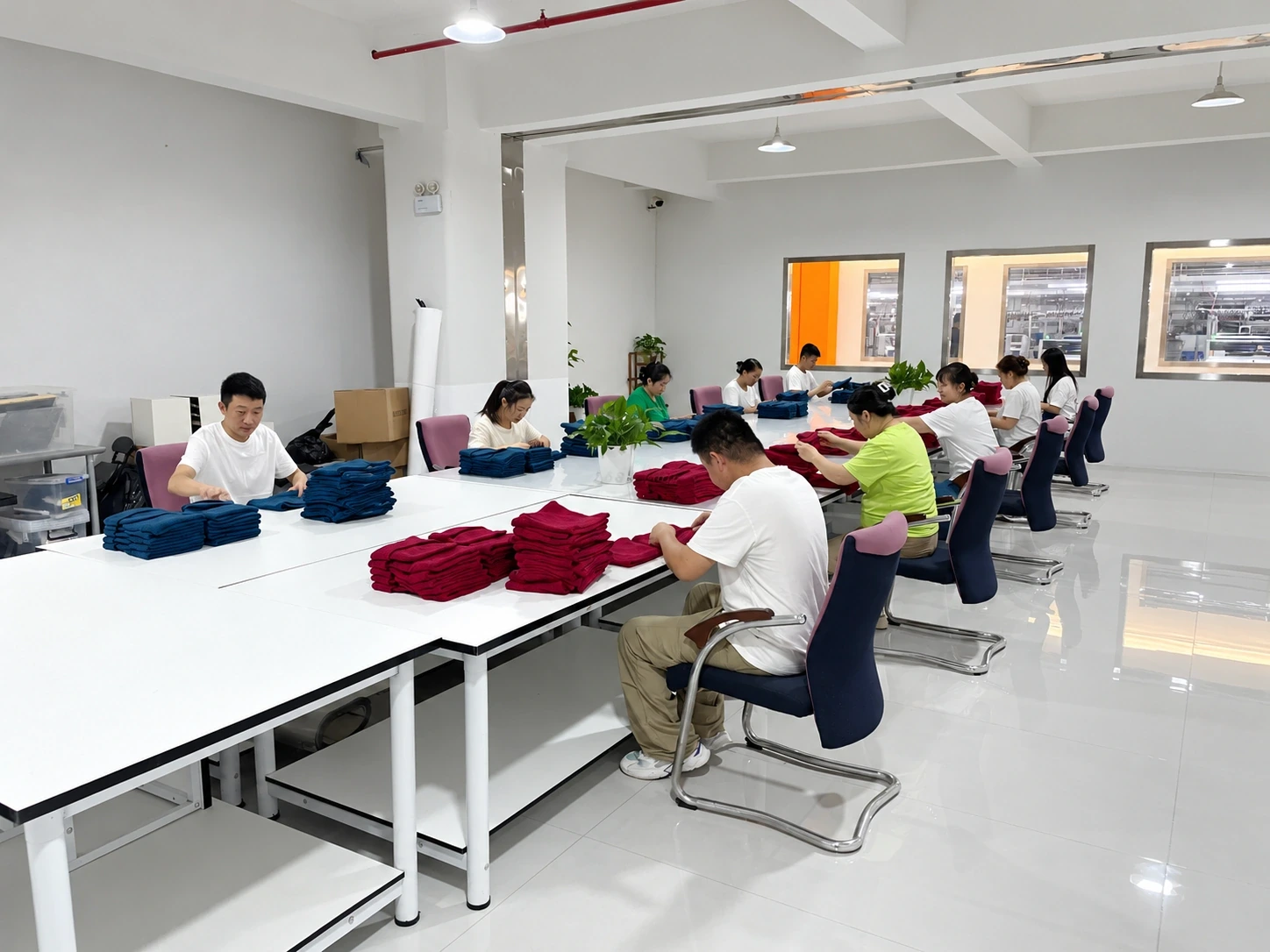
  5. Workers reviewing knitted items at long inspection tables
    05Manual review / factory worktables

    Make, inspect and resolve.

    Your buying team
    Agree acceptance criteria and the inspection information your team needs. Keep additional testing requirements explicit.
    Our factory
    Our factory produces and inspects every pair, including dimensions. Nonconforming goods are isolated, reworked and reinspected. Bulk production is 30–45 working days from the agreed start.

    Accepted pairs for the agreed assortment.

  6. Packed cartons stored in a warehouse
    06Cartons / factory storage

    Confirm packing and dispatch.

    Your buying team
    Approve pack quantities, labels, carton marks and delivery instructions. For repeat orders, identify the retained version and any changes.
    Our factory
    Prepare the agreed style, color and size assortment and its packing. Coordinate the dispatch scope and documents required for the order.

    A defined handoff and reorder reference.

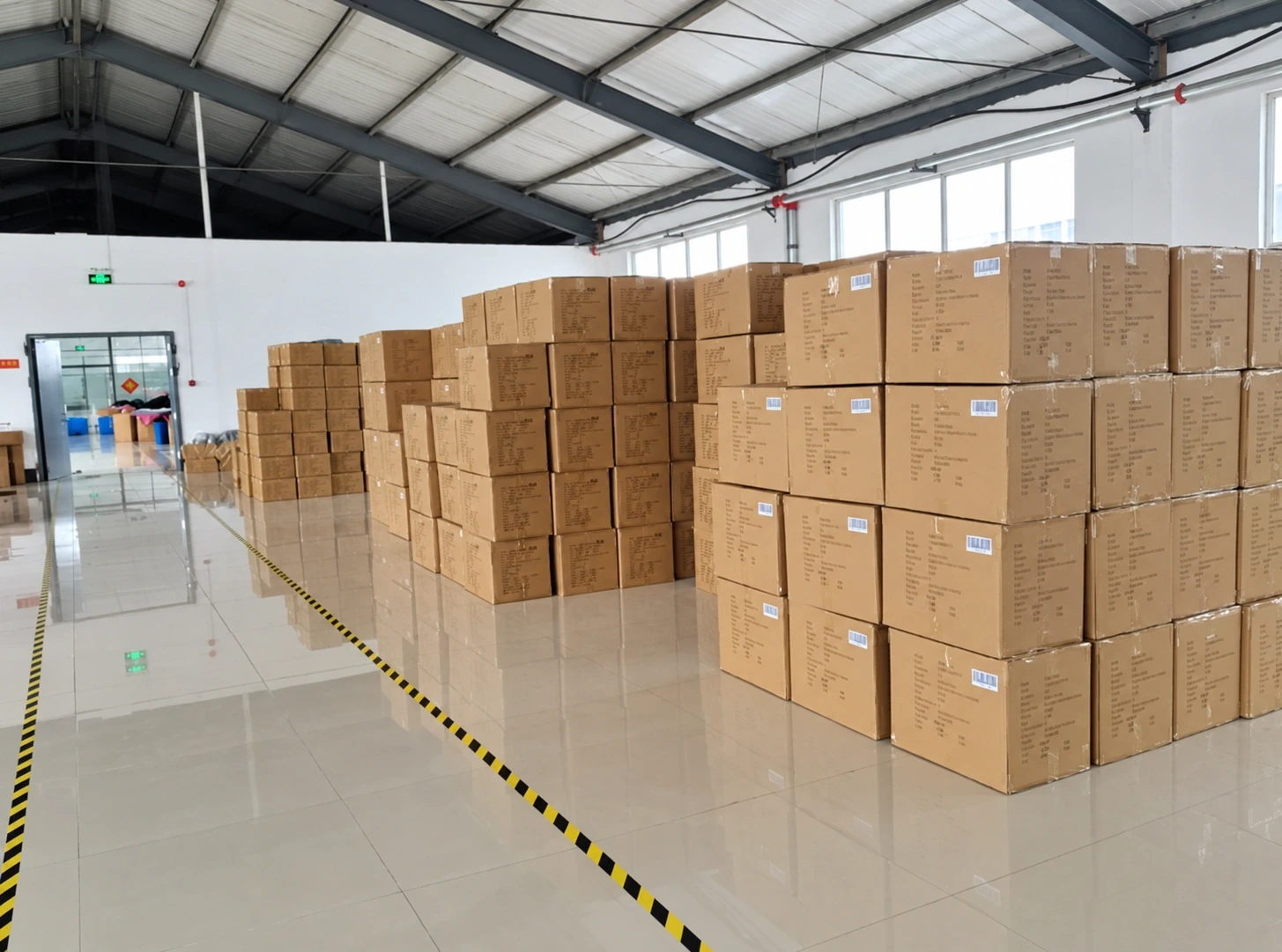
300 pairs per style per color. Revisions, approval and transport are planned separately from production lead times.

Discuss your project

Buying questions

Sourcing a custom program.

Do we need a complete tech pack to start?

A tech pack is helpful but a concept or reference sample can start the discussion. Explain your category, material direction, brand requirements, quantities and destination. The quotation should identify any specification or pattern development needed before a production sample can be approved.

What is the difference between OEM and ODM for our project?

OEM supports production from your defined design or reference. ODM supports developing a collection brief into an agreed product specification. Confirm the design scope, approval responsibilities and commercial terms for the actual project; the label alone does not define all the work included.

How should we send sample revision comments?

Use one dated document with the sample reference, annotated images, measurement changes and the decision required. Nominate an approval contact and distinguish required changes from optional ideas. Keep the final written specification consistent with the approved physical sample.

What needs to be confirmed before a repeat order?

Reference the approved style, material, color, size, branding and packing versions. Identify requested changes and confirm current material availability, quantities, quotation and schedule. A past order is a useful reference, but it does not automatically confirm new commercial terms or a delivery date.

Which files help define a custom glove quotation?

Send the construction or sample reference, material direction, quantity per style and color, size split, artwork, packing, destination and required date. Mark open decisions and request that the quotation state the development scope and assumptions.

How does the MOQ apply to a mixed custom collection?

The minimum is 300 pairs per style per color. Show each style and color as a separate assortment group with its size breakdown. Confirm the quotation and packing configuration for those groups before placing the order.

How are measurements and size grading developed?

Provide your existing size chart or agree the required development work. Define points, method, condition, targets and allowed variation. Review the relevant physical sizes before approving the graded specification.

What is required to approve our own labels and packaging?

Supply current artwork, wording, dimensions, placement and packing instructions. Review the applied label or brand detail on the proposed material and approve the pack presentation and carton identification for the order.

Do custom glove orders receive full inspection?

Yes. Every finished pair is inspected, with checks across materials, production and packing. Put the workmanship, dimensions, pairing, artwork and packing criteria into the approved order file; agree specialist tests separately.

Can one collection use several manufacturing routes?

Yes. Assign the appropriate material and construction route to each style. Shared brand details can be coordinated, but the sample, fit, material combination and approvals still need to be identified for each distinct glove.

A project for your brand

Let’s define your next glove program.

Send the reference, materials, size range and quantity per style and color. Include your destination and required arrival date.

Preparing your project brief…

WhatsApp