Fleece Glove Manufacturer
Panel Fleece
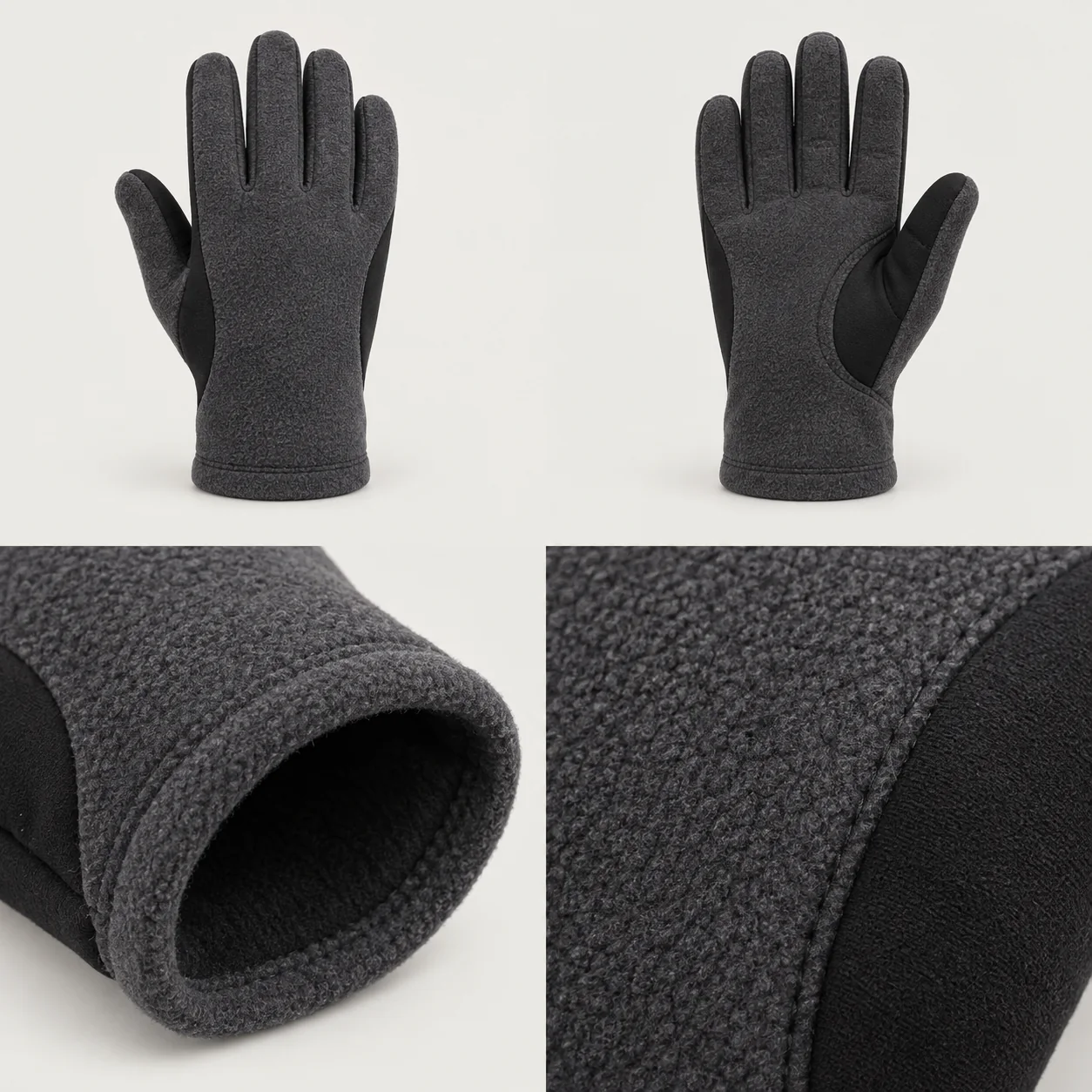
Fleece body / contrast side panels
OEM & private label collection
Fleece glove manufacturing for private label collections. Specify fabric composition and weight, panel shape, internal seams, cuff and fit as one production brief.
Developed in our own factory for business buyers. The collection introduces material and construction possibilities; your brief can extend beyond the styles shown.
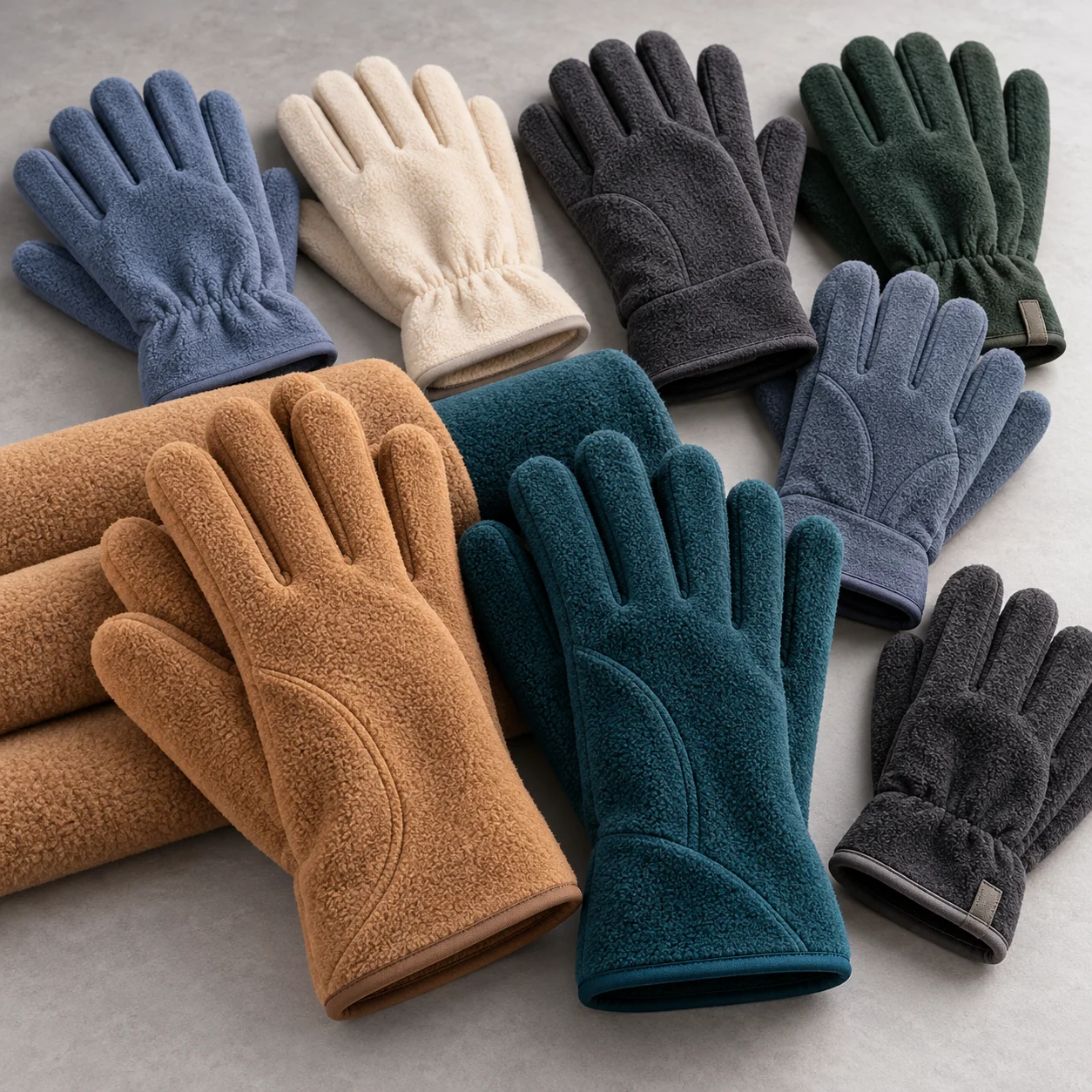
Make the shortlist
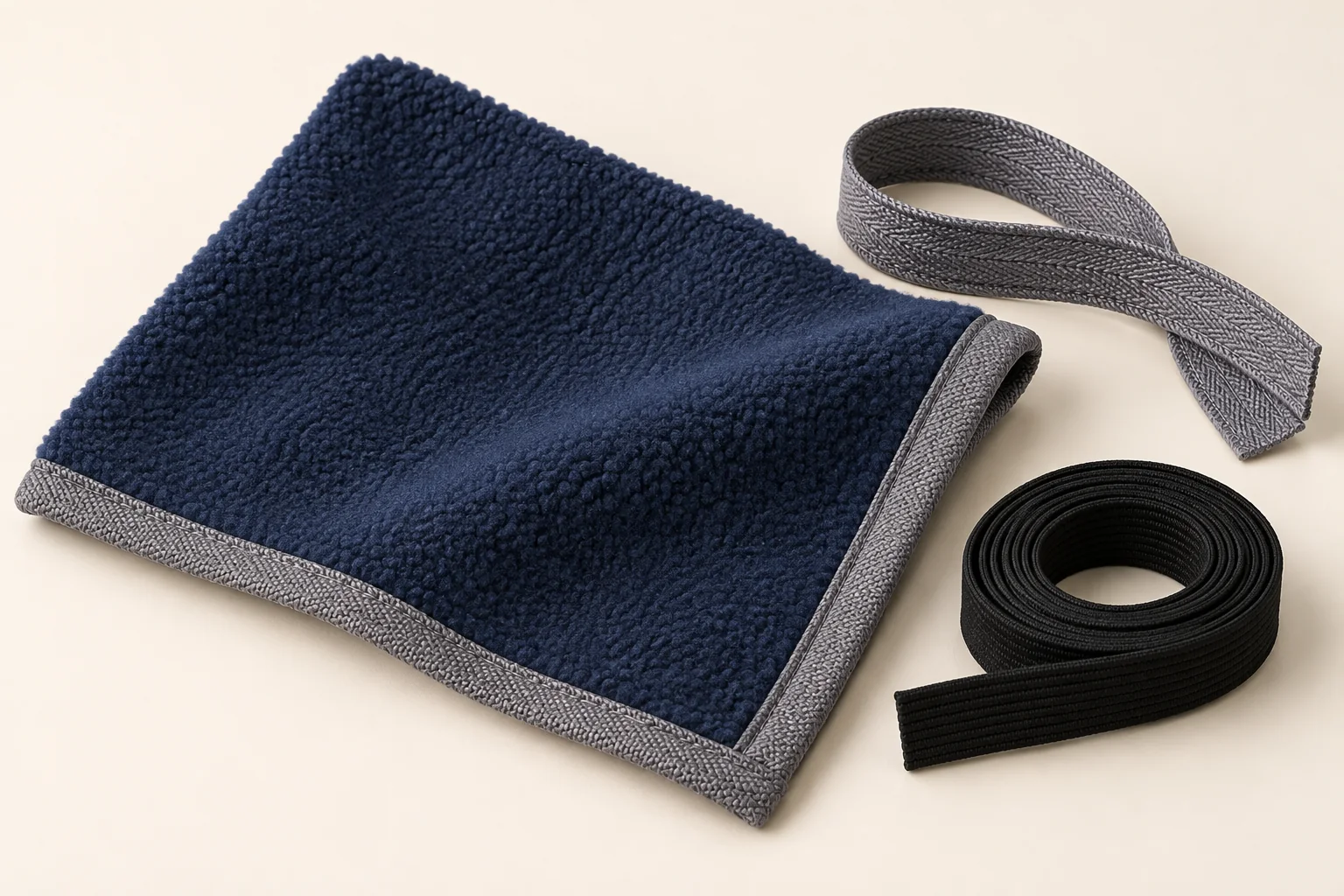
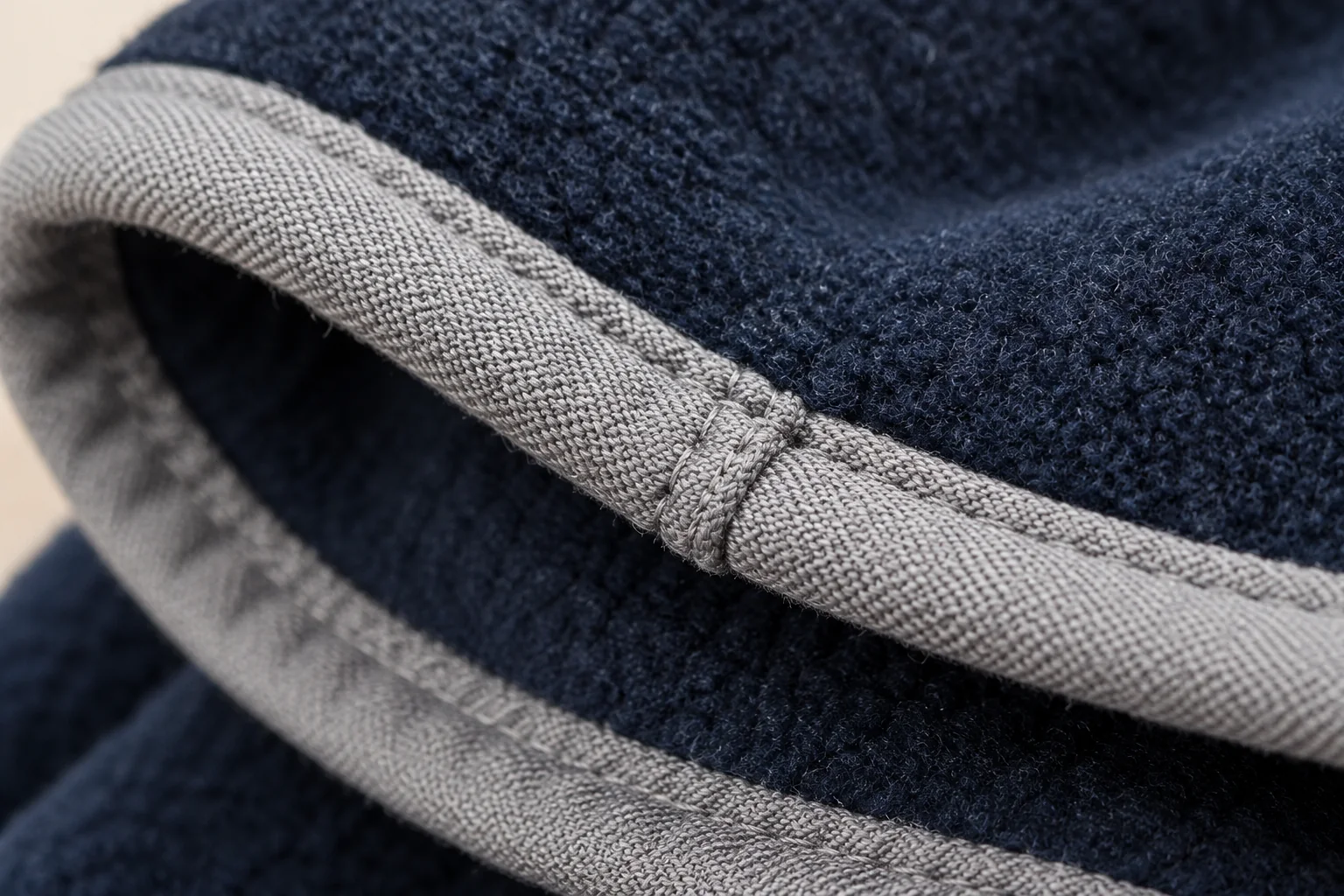
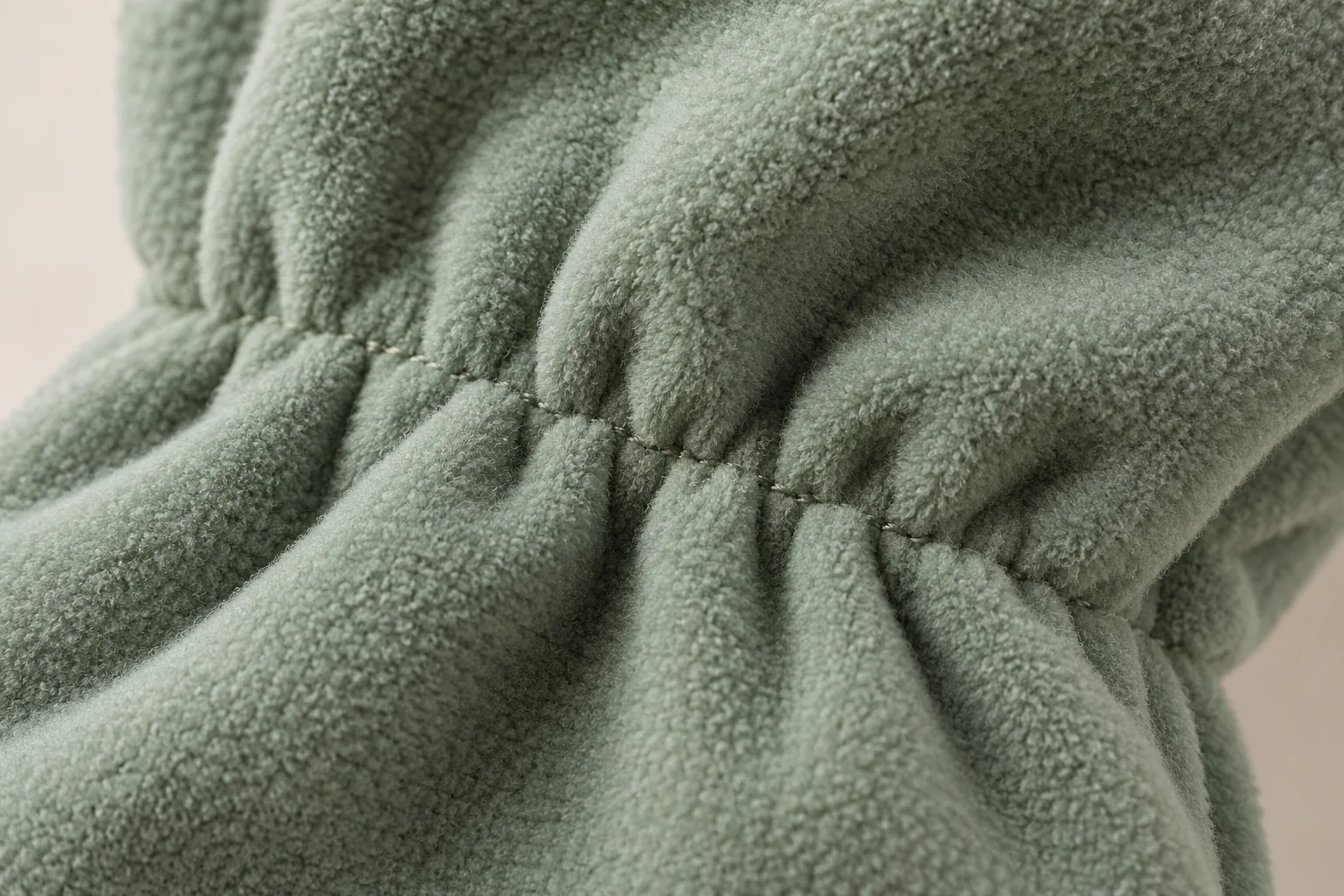
Compare a bound edge, gathered wrist, contrast panel or extended cuff. Review the inside seam finish alongside the fabric surface.
If the brief calls for several assembled layers, review the winter directions so that lining, shell and cuff are developed together.
Compare the construction choicesSelected development directions
Compare panel layout, cuff finishing and the material references needed for sampling.
Fleece body / contrast side panels
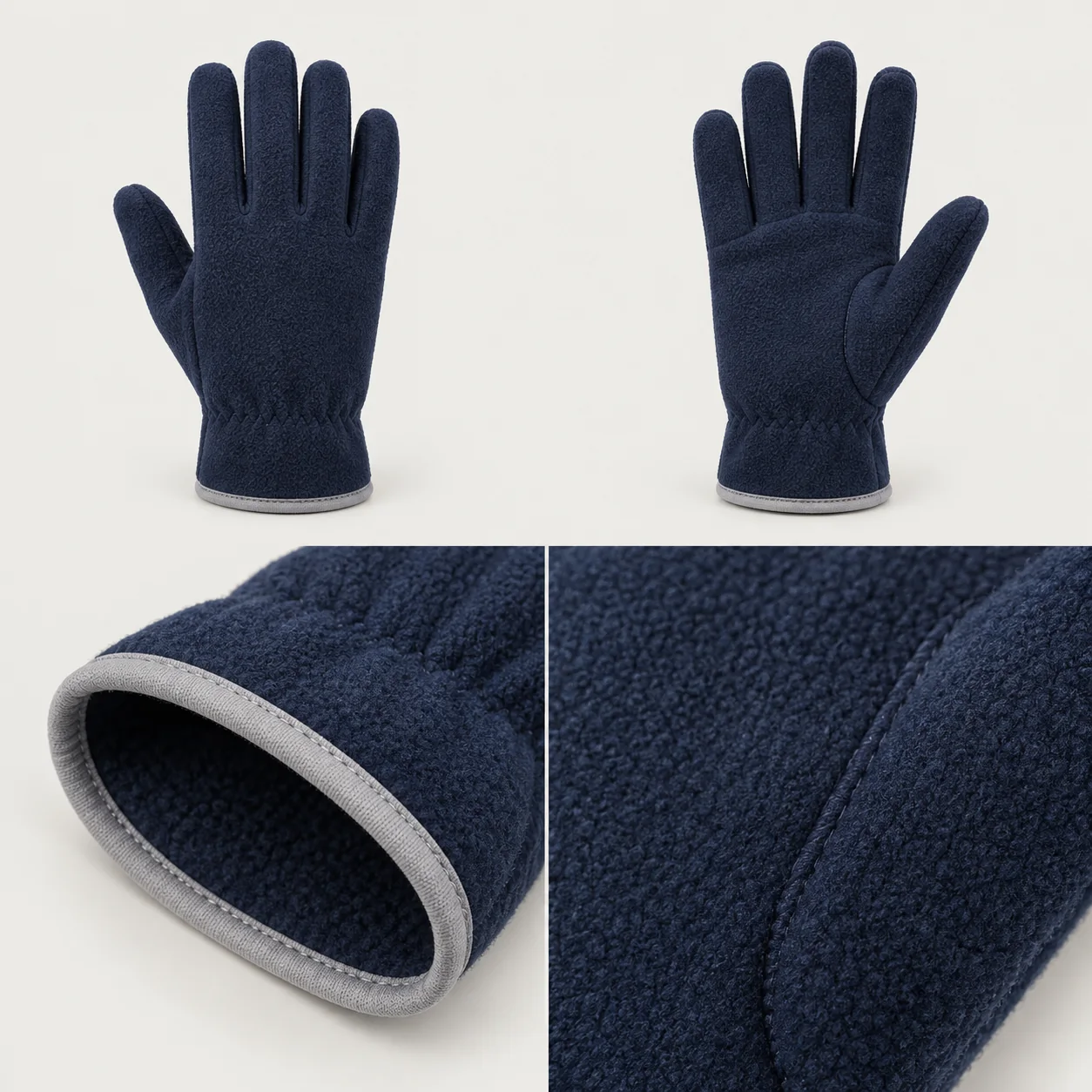
Fleece panels / bound wrist edge
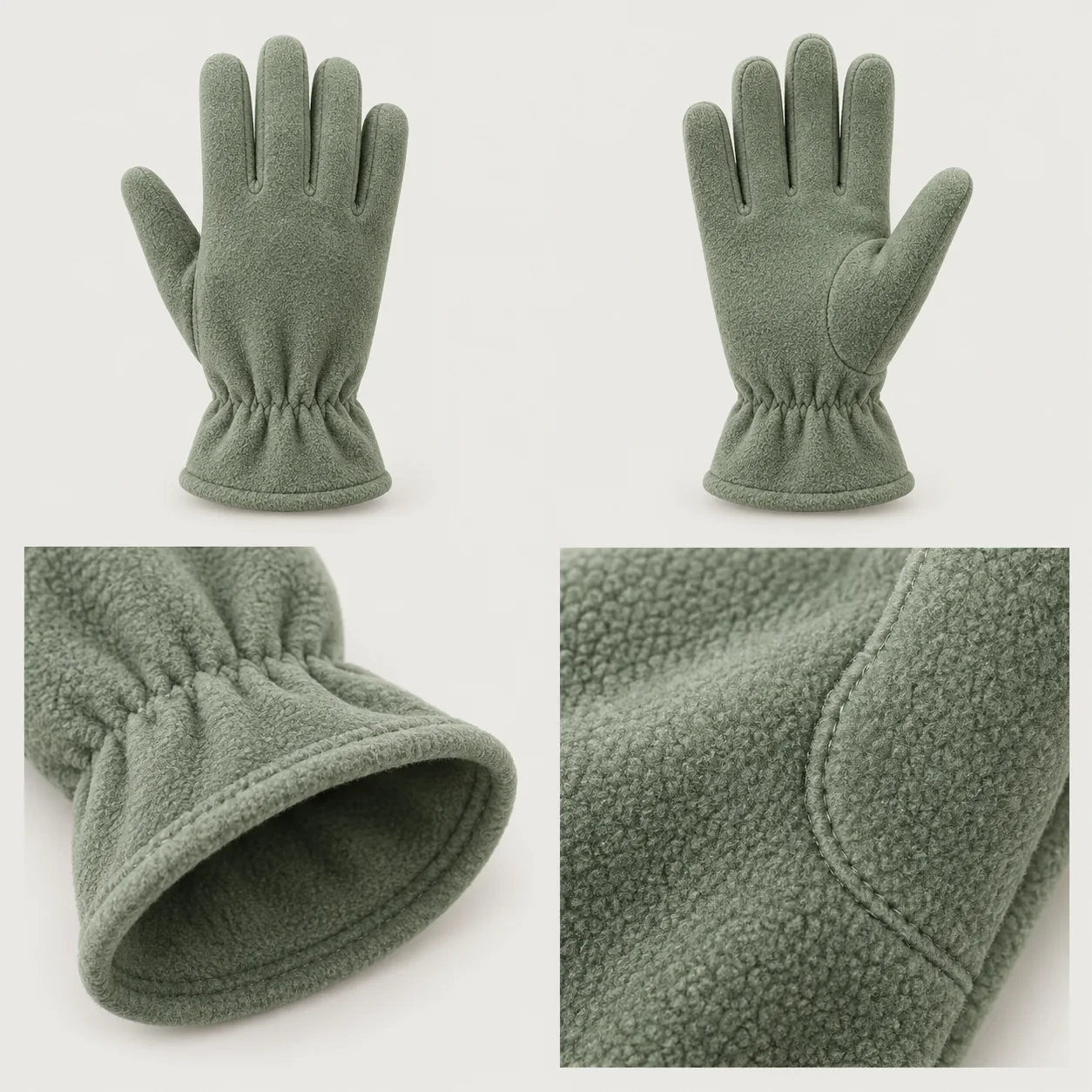
Fleece body / gathered wrist seam
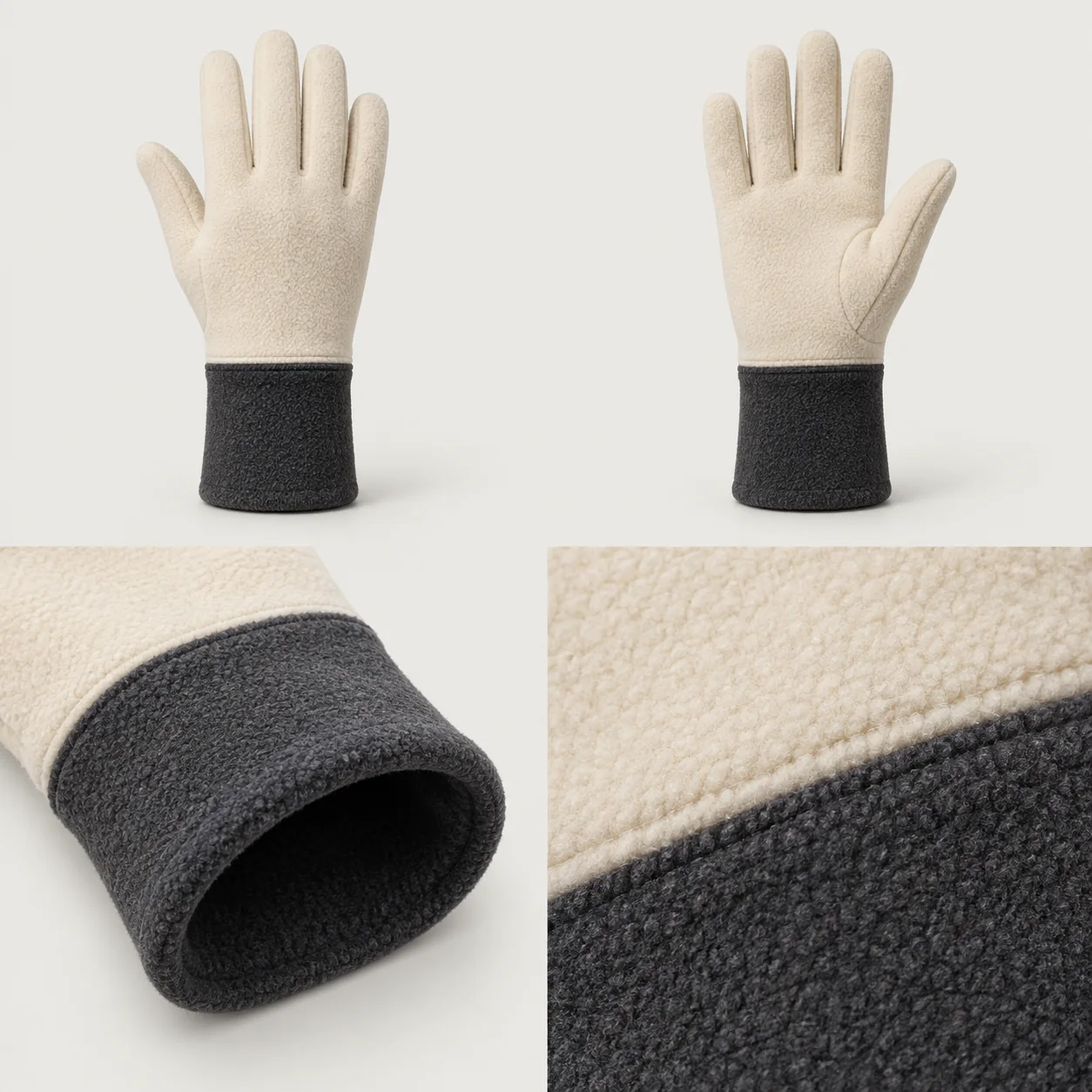
Fleece hand / extended contrast cuff
Material to glove / our own factory
Fleece selection carries through to panel seams and the wrist opening. Compare material feel with the way each edge is assembled in our factory.
Choose a direction to compare the material with its glove detail.
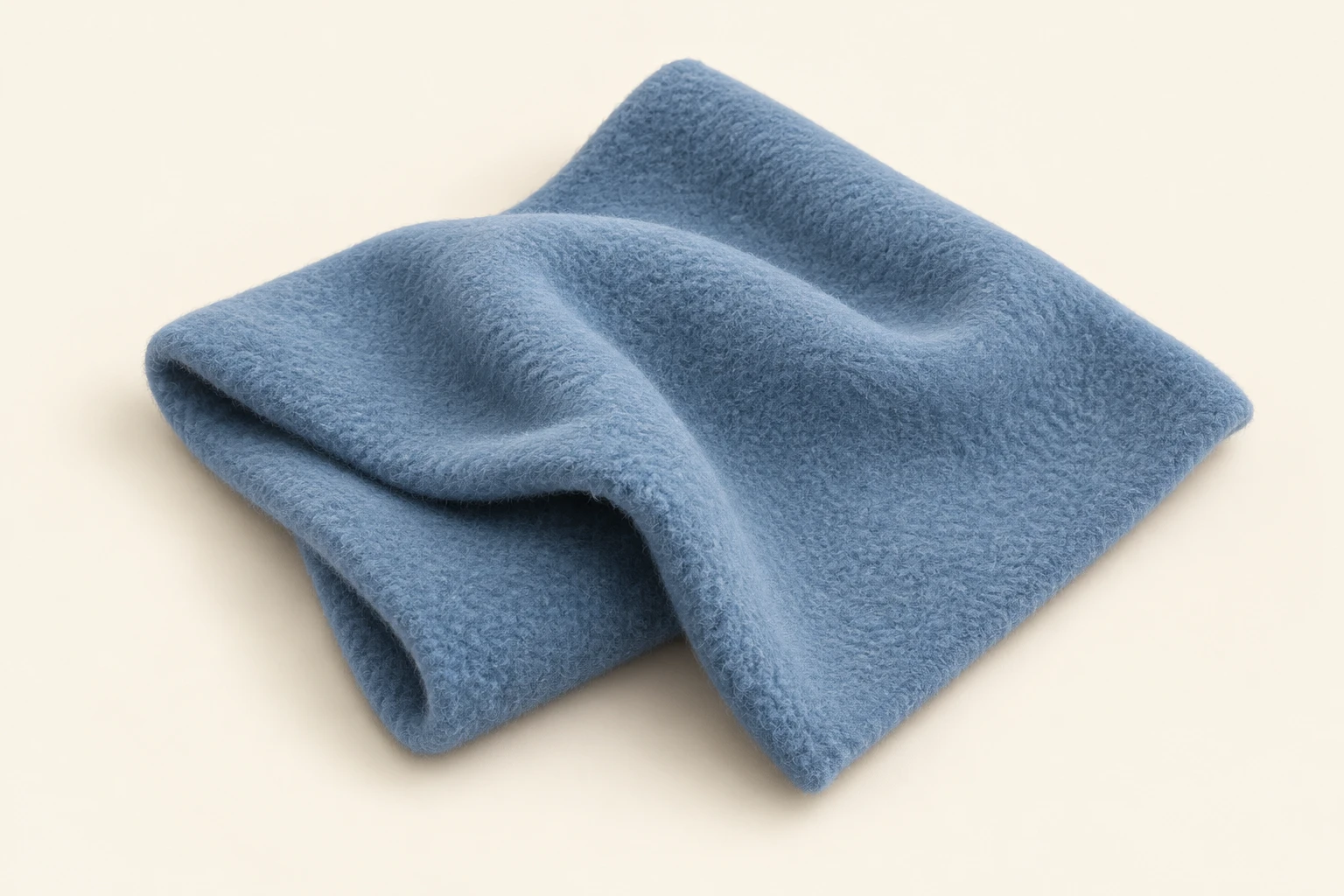
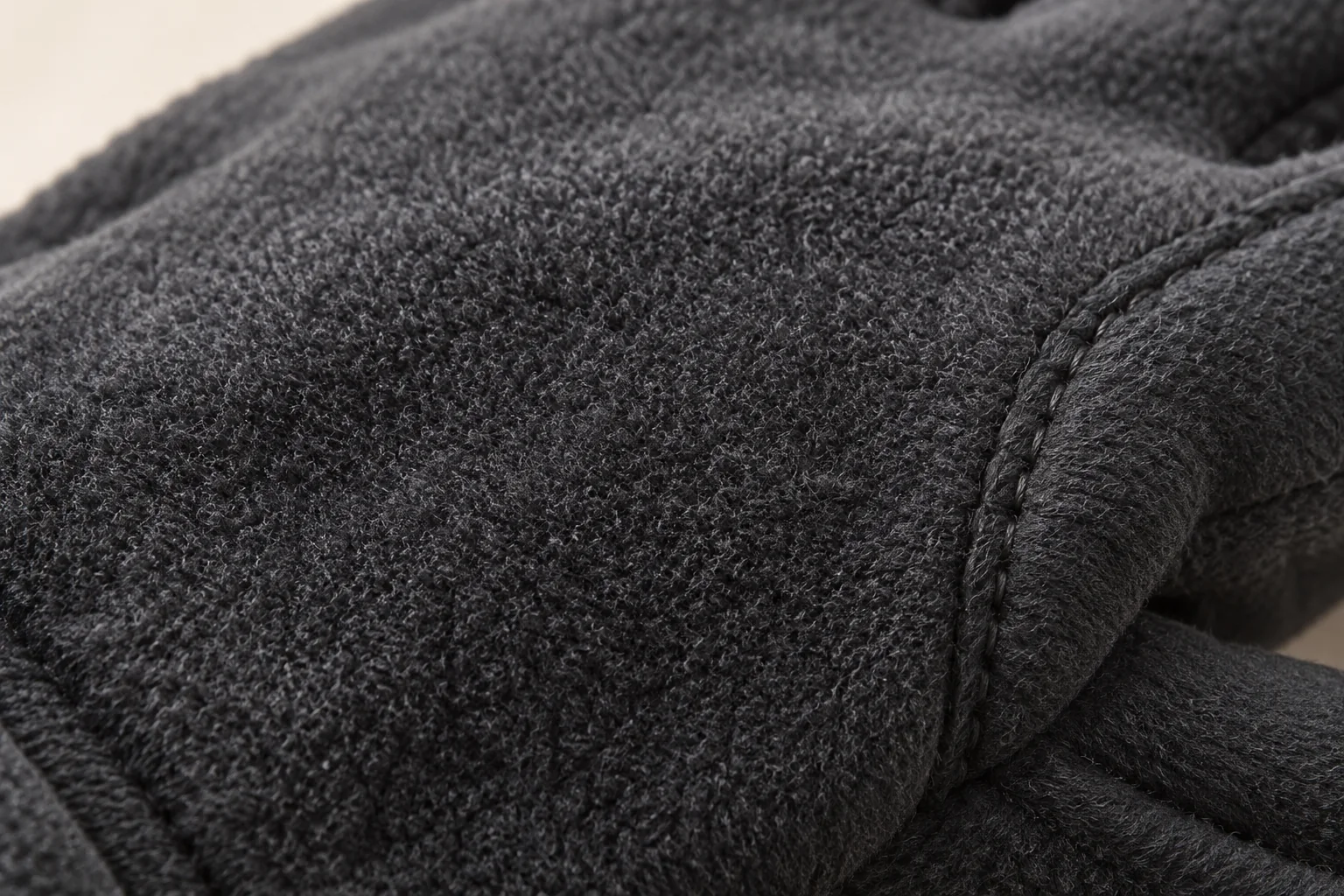
Compare the fleece surface, thickness and stretch direction with the chosen panel layout. A flat swatch and a sewn finger reveal different decisions.
Keep composition and weight references with the approved fabric.
Explore this constructionDevelopment decisions
Set a fleece glove program around fabric composition, weight and construction. A sourcing brief should explain the intended seasonal assortment, fit and presentation so the fabric and finished sample can be reviewed together. Fabric weights, finishes and added details are discussion options until agreed in writing.
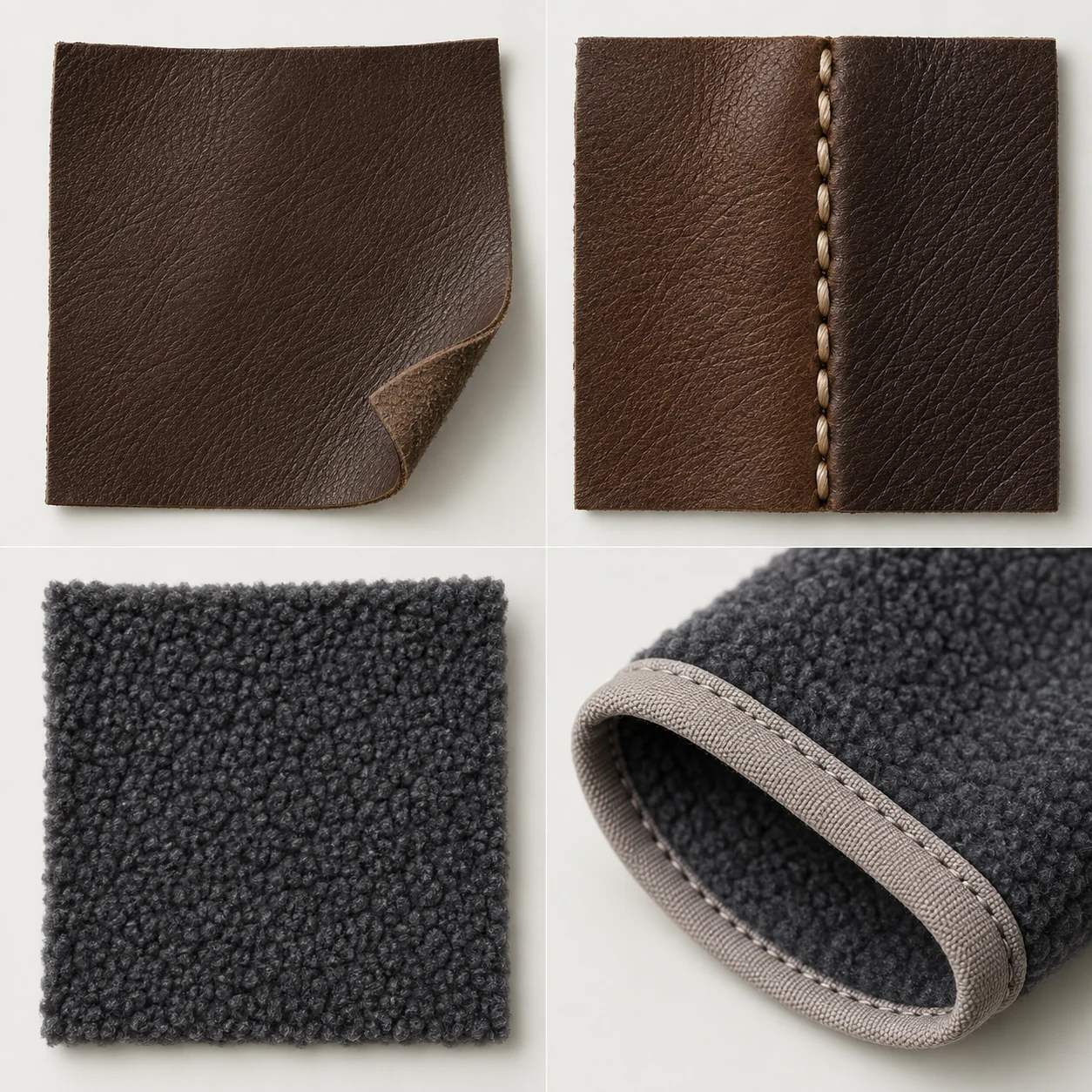
Give the requested composition, fabric-weight target and a hand-feel reference, or ask for sourcing options. Evaluate the selected fleece in the intended glove construction before approving it for the assortment.
Review on the complete sampleUse the sample to review finger proportions, seam placement and the feel of internal seams. Identify any panel or seam changes on the technical drawing so revisions remain traceable.
Review on the complete sampleDiscuss a simple cuff, elastic detail or an extended cuff against your brand brief. Agree opening dimensions and fit, including any elastic specification, through the sample review.
Review on the complete sampleEmbroidery or a woven label should be evaluated on the selected fleece surface. Review artwork readability, placement and the inside finish before confirming the branding method.
Review on the complete samplePlanning contact areas on a fleece base? Review fleece touchscreen glove development
The specification file
Use these checkpoints to separate what you request from what must be confirmed before production.
Include in your briefState the desired fiber composition and fabric weight, or identify these as sourcing decisions.
Confirm on approvalWritten fabric specification and a retained swatch.
Include in your briefProvide color references and describe the surface appearance you want to compare.
Confirm on approvalApproved color and fabric samples under an agreed review method.
Include in your briefMark panel shapes, seam positions and any proposed added detail in the tech pack.
Confirm on approvalA finished sample and construction notes with revisions resolved.
Include in your briefList measurements and specify cuff opening, length and any elastic detail.
Confirm on approvalA size chart with tolerances and a reviewed cuff sample.
Include in your briefSupply artwork, dimensions and location for proposed embroidery or labels.
Confirm on approvalAn applied branding sample on the selected fleece.
Include in your briefBreak quantities down by style, color and size; define labels and packing format.
Confirm on approvalA confirmed assortment matrix, label artwork and carton instructions.
Editable worksheet. Add your actual material references, observations and approval decisions.
Download the TXT worksheetFrom reference to release
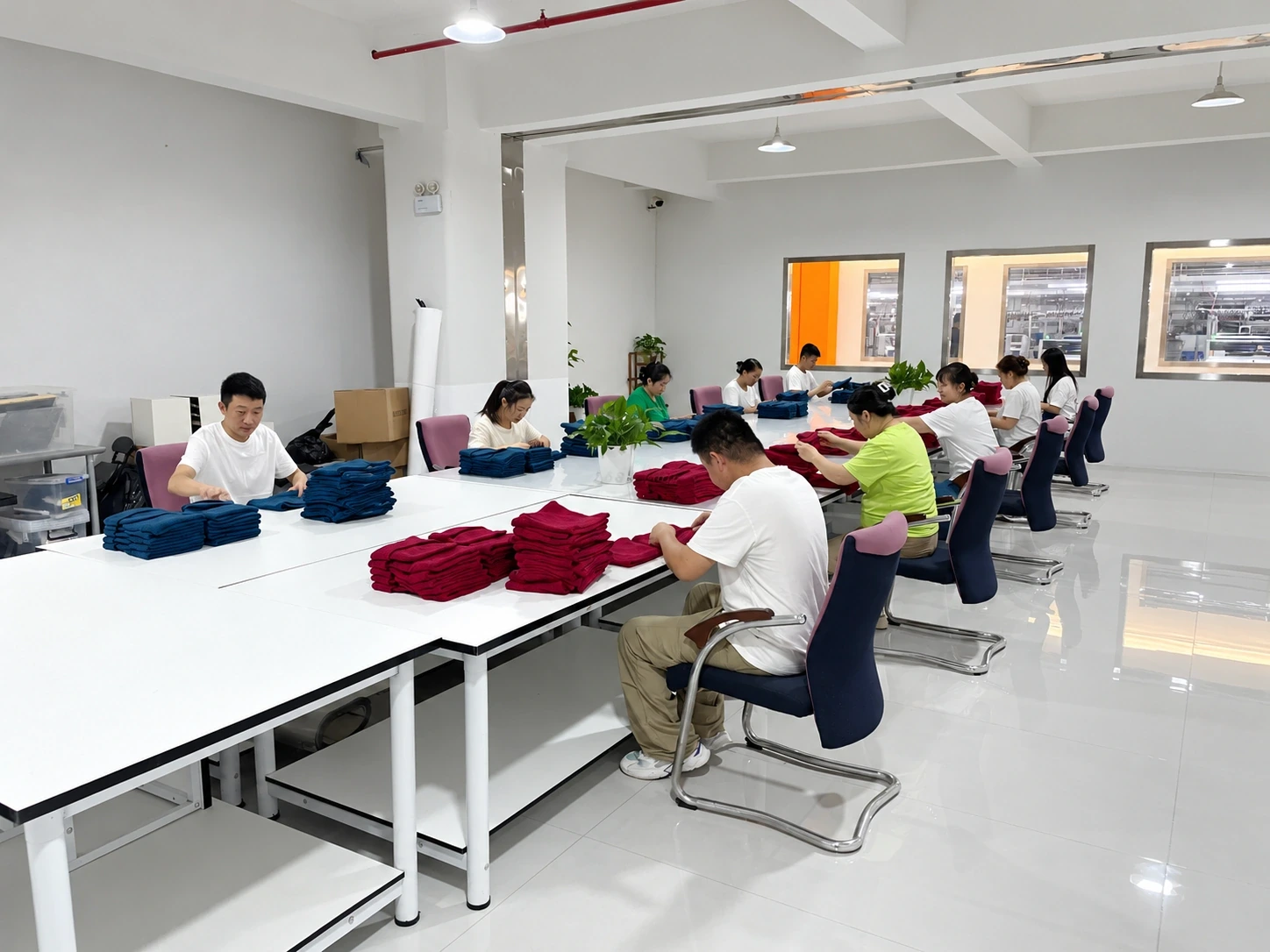
Fabric preparation, cutting, sewing and inspection take place in our own factory. Connect the fabric specification to the panel layout and inside finish, then review the material in the complete glove.
Record the fabric identifier, composition, weight in g/m² and the source of each value. If a value is checked, keep the method, specimen and result with it; a photograph does not establish the specification.
Link the fabric swatch to the pattern revision, pile direction, stretch orientation and cuff construction. Photograph the inside seams and attachment points on the actual sample.
Approve the seam bulk, finger fit, cuff opening and applied branding together. Record any effect of embroidery or a label on the inside finish before confirming the packing version.
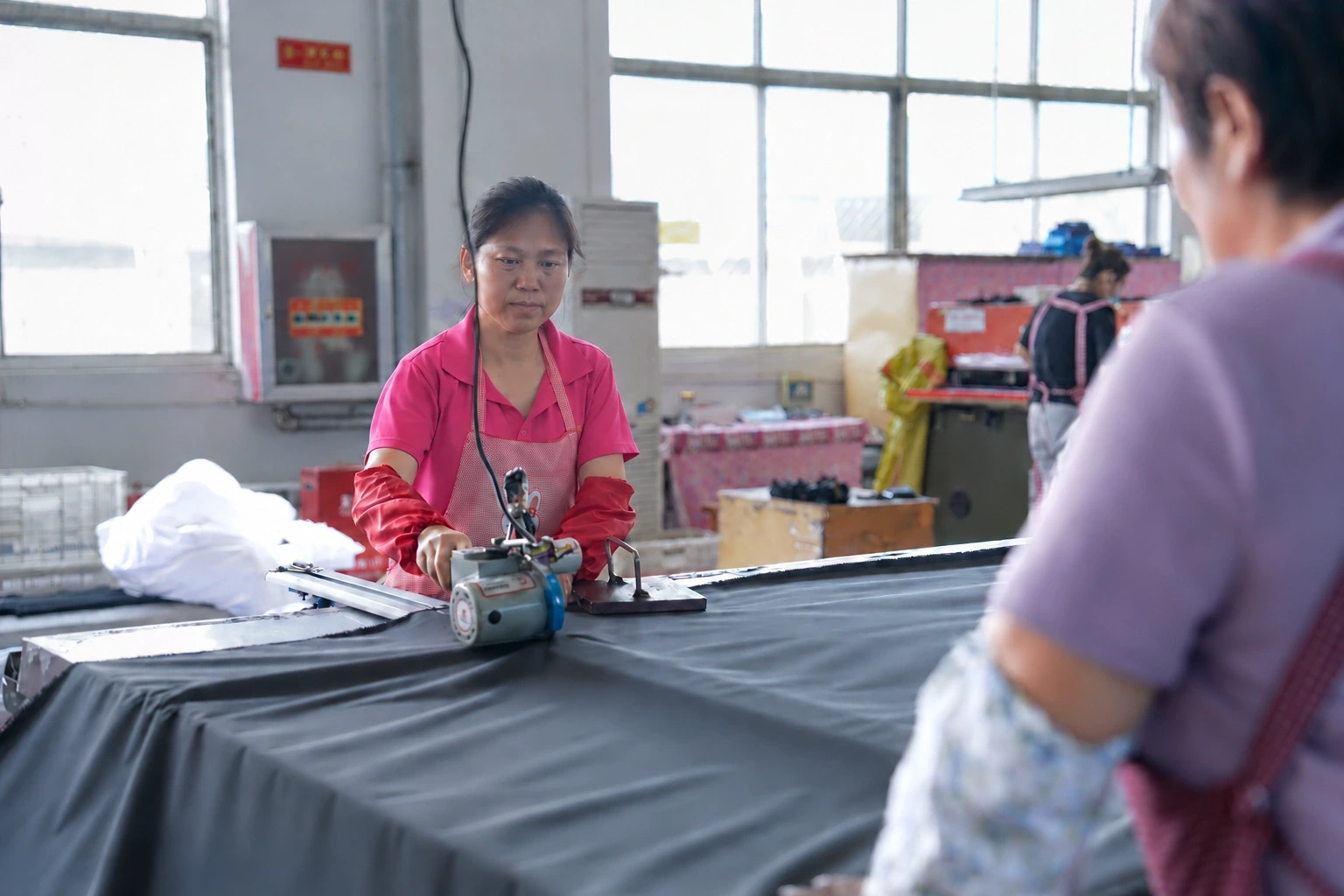
Factory process / In-house production
Connect the chosen material and construction with the work that follows. Our own factory carries out production, brand application, dimensional inspection and packing around your approved construction.
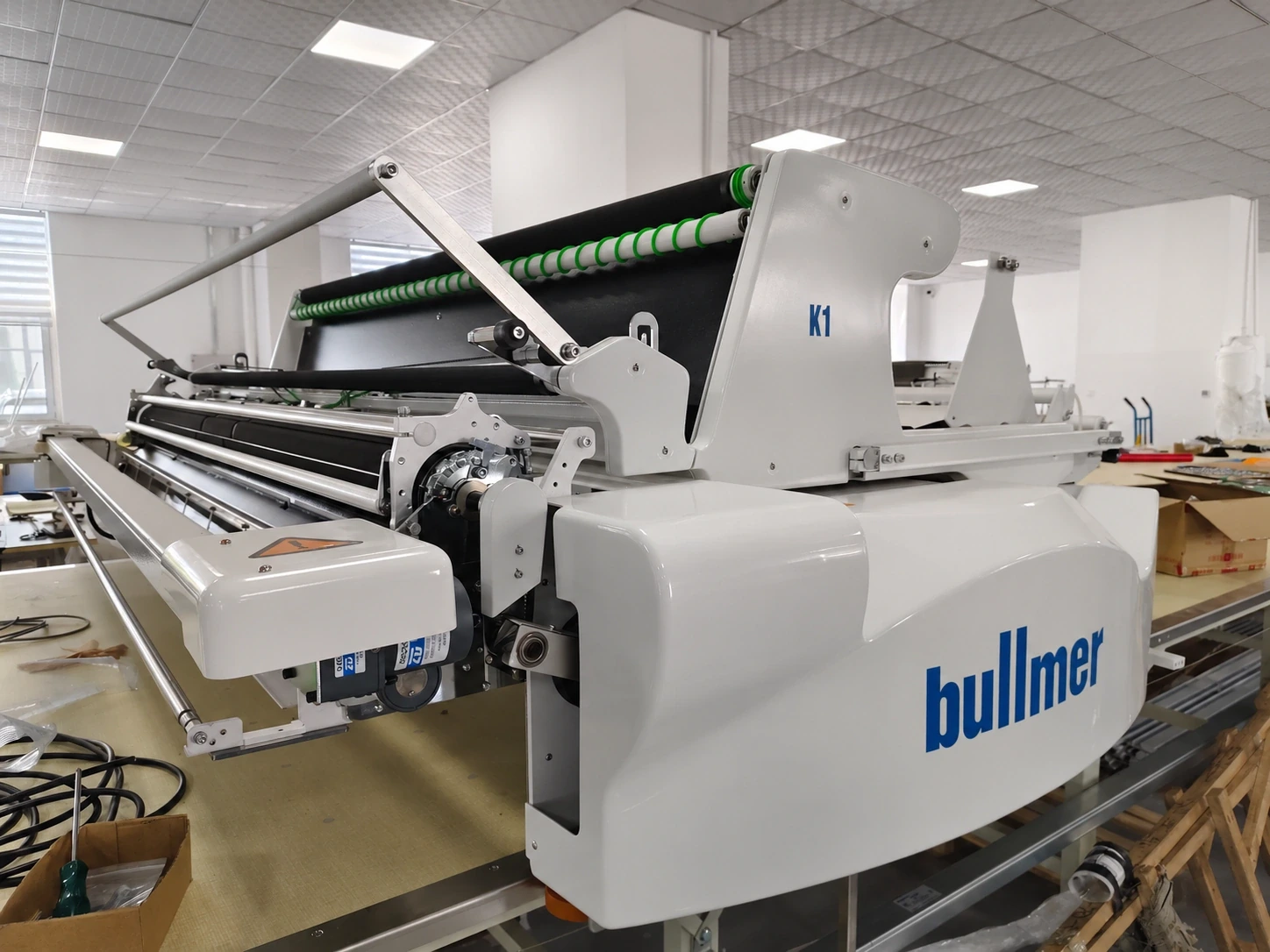
Connect the approved fabric reference with panel orientation and the proposed pattern. Call out contrast panels and any additional lining.
Approve fabric appearance, direction and the complete material combination.
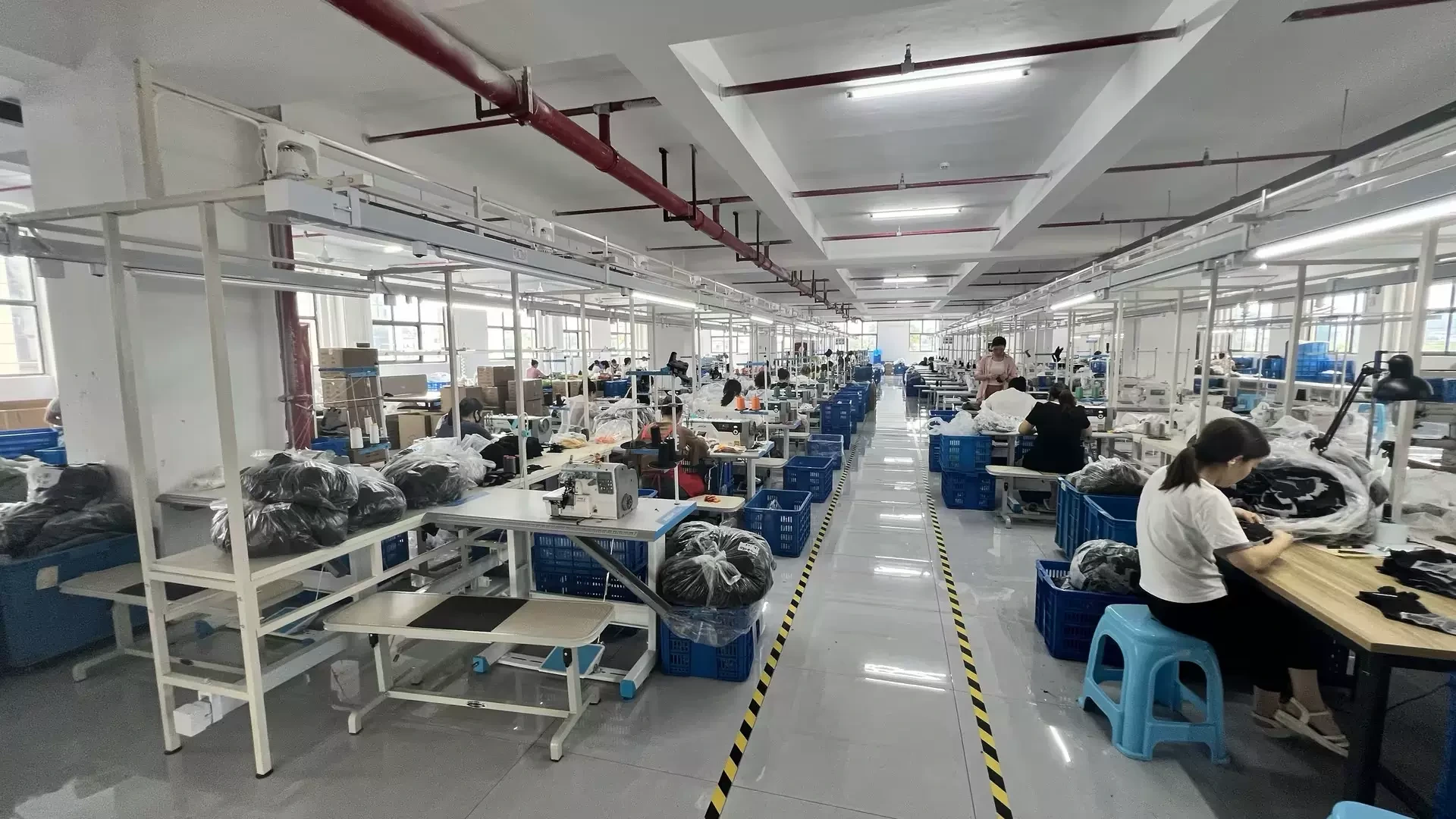
Review seams where the finger panels, thumb and cuff meet. Specify the opening and edge finish before releasing the sample.
Assess finger proportions, inside seams and cuff behavior on the complete glove.

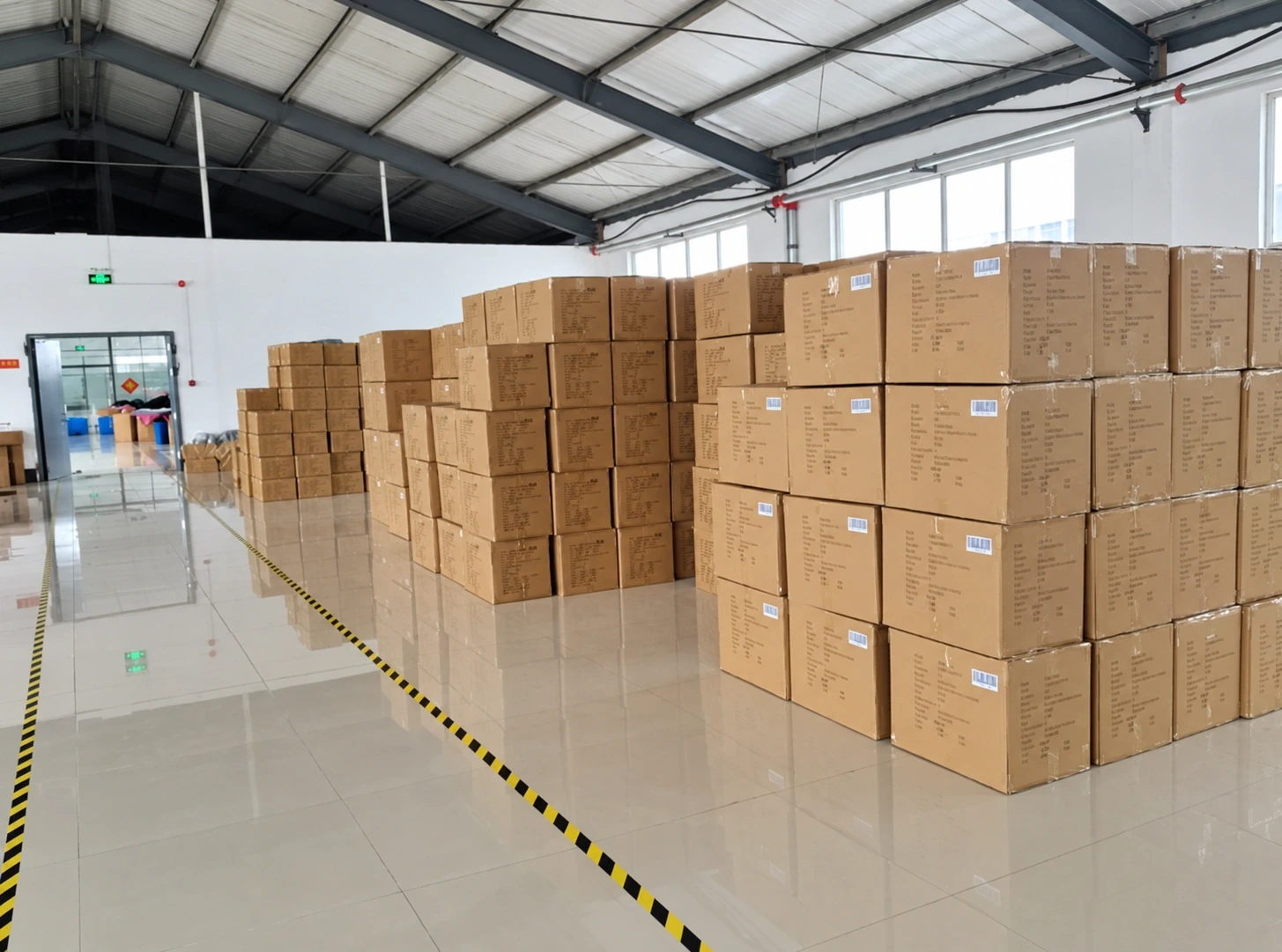
We carry out full inspection of finished pairs. Keep the approved workmanship, measurements, labels and packing instructions together when preparing the order.
Confirm style, color, size, pairs per pack and carton identification before release.
Every pair is inspected, including dimensions. Nonconforming gloves are isolated, reworked and reinspected in our factory.
Working directly with our factory
Move from collection choices to a clearly defined OEM or private label order. The cooperation process keeps buyer decisions and factory work connected.

A defined development scope.
A quotation tied to one specification.
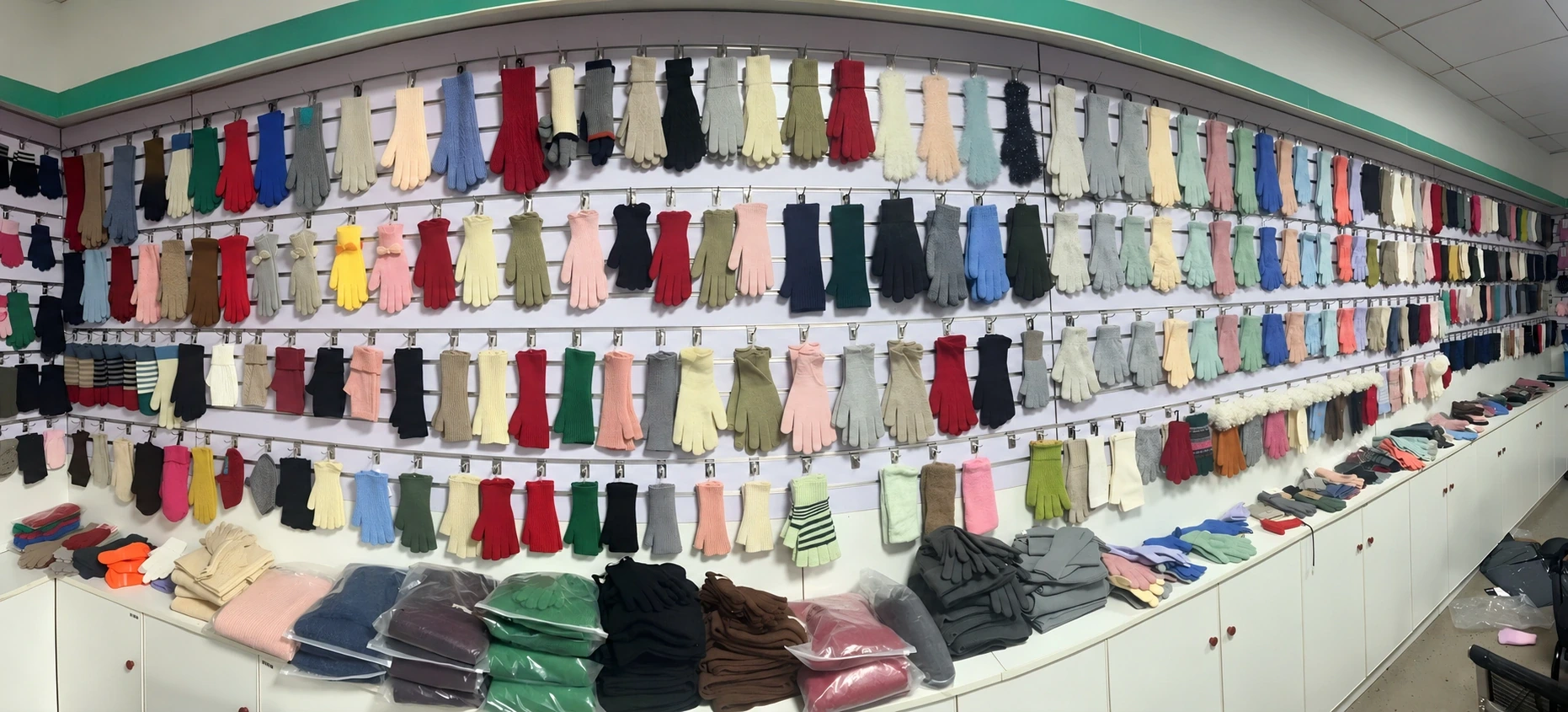
A complete glove with resolved revisions.
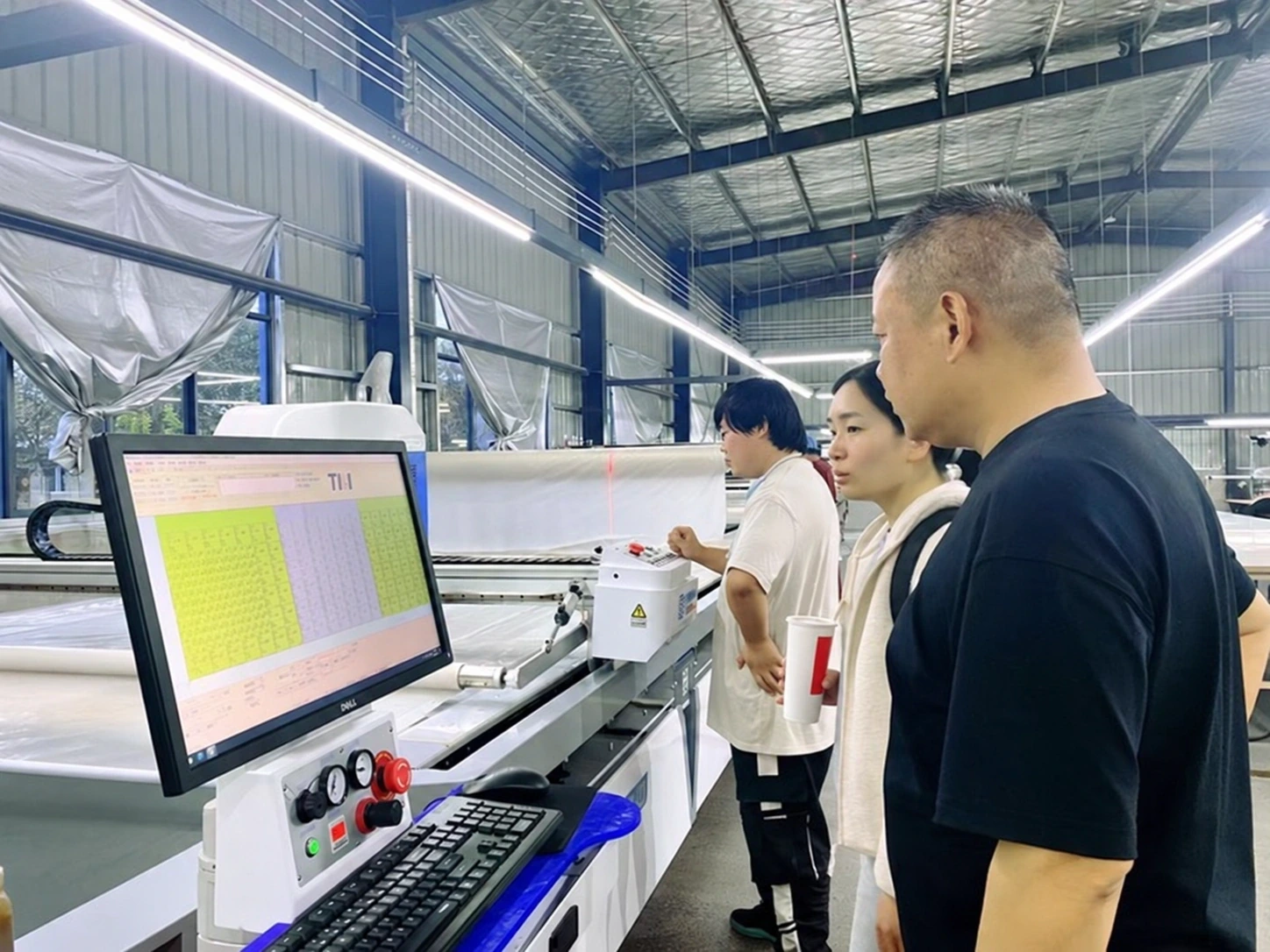
Written approval for the production version.
Accepted pairs for the agreed assortment.
A defined handoff and reorder reference.
Buying questions
Use an existing material or product reference if your team has one, and state the required weight if it is already defined. Otherwise mark fabric weight as a sourcing decision and compare proposed samples. This collection does not promise a universal weight range or stock fabric list.
Embroidery can be discussed against your artwork, size and chosen fleece. Approve a decorated sample for definition, placement and the reverse-side finish. A logo that works on a flat fabric may need adjustment before it is suitable for the selected fleece surface.
Yes. Identify the appearance or care concern, the assessment method you require and the acceptance criteria during project planning. Confirm any testing scope and documentation in the quotation. Do not infer a durability or wash-performance claim from a visual sample review.
Provide one row per style, color and size in the assortment template. The minimum remains 300 pairs per style per color; the size split and packing quantities must be agreed for the order. Confirm pair quantities and packing configuration separately.
Identify the intended surface and direction on the fabric reference and pattern. Review the appearance across the hand, thumb and fingers on the assembled sample. Keep the approved fabric and cutting direction together in the specification.
Yes, discuss the proposed opening and cuff construction with the selected fabric. Review edge attachment, seam bulk, entry and recovery as applicable. Confirm the complete cuff on the sample rather than approving a trim in isolation.
Define the measurement points, units and condition with the intended size range. Review finger proportions, thumb position and cuff opening on the complete glove. Approve the targets and tolerances for your project; they are not inferred from the collection image.
Every finished pair is checked against the approved requirements. Include surface appearance, paired construction, seams, inside finish, cuff attachment, dimensions and labels. Specific care or performance tests require a separate agreed method and scope.
Propose the material combination in the brief and review it on the assembled sample. Consider the seam junction, overall bulk and inside finish, then identify each material and color reference in the approved specification.
Reference the approved fabric and artwork versions, application location, size identification and packing configuration. Call out any material or color change before repeating the sample or order so its effect can be reviewed.
A project for your brand
Send the reference, materials, size range and quantity per style and color. Include your destination and required arrival date.
Preparing your project brief…