Knit Glove Manufacturer
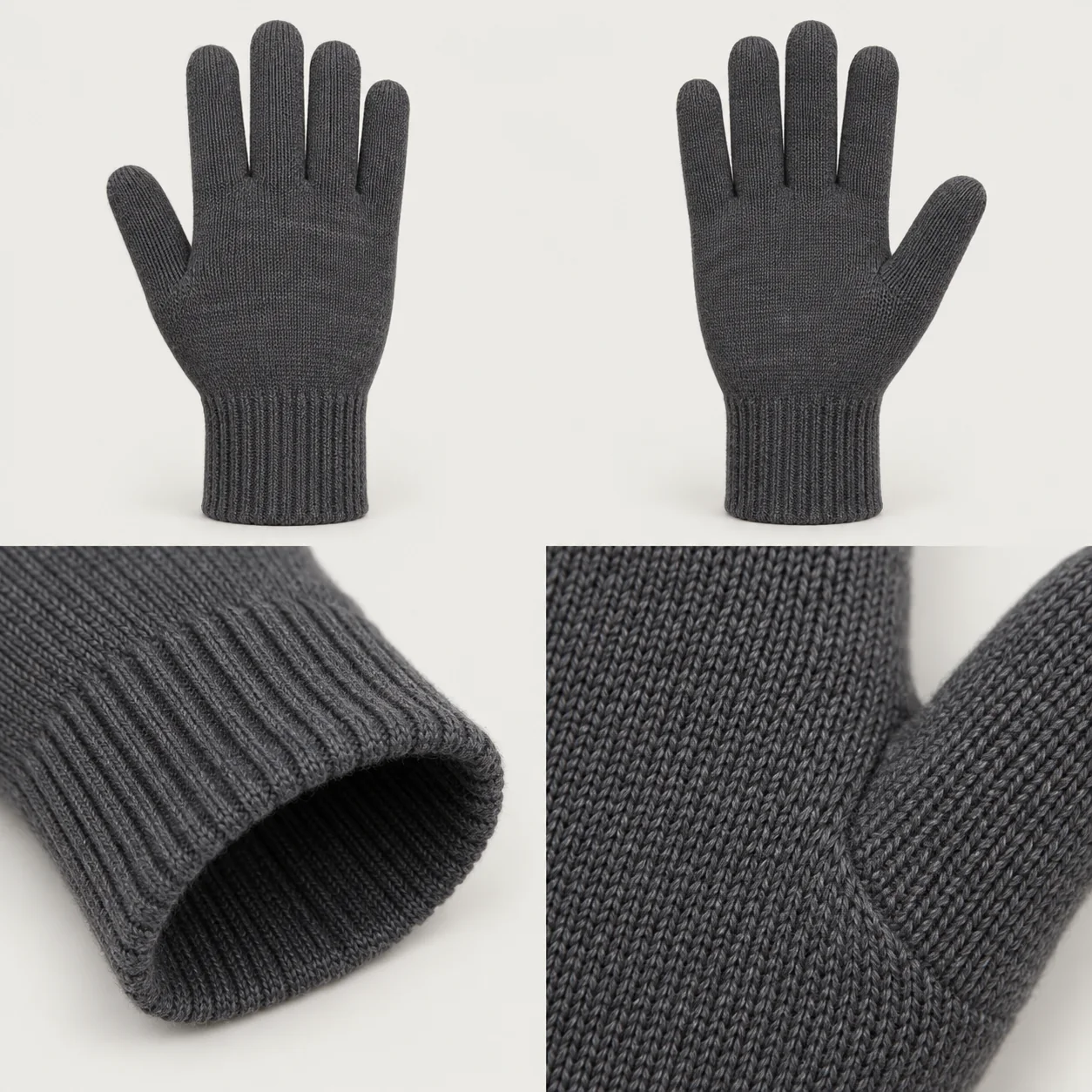
Rib Cuff Knit
Plain knit body / rib wrist
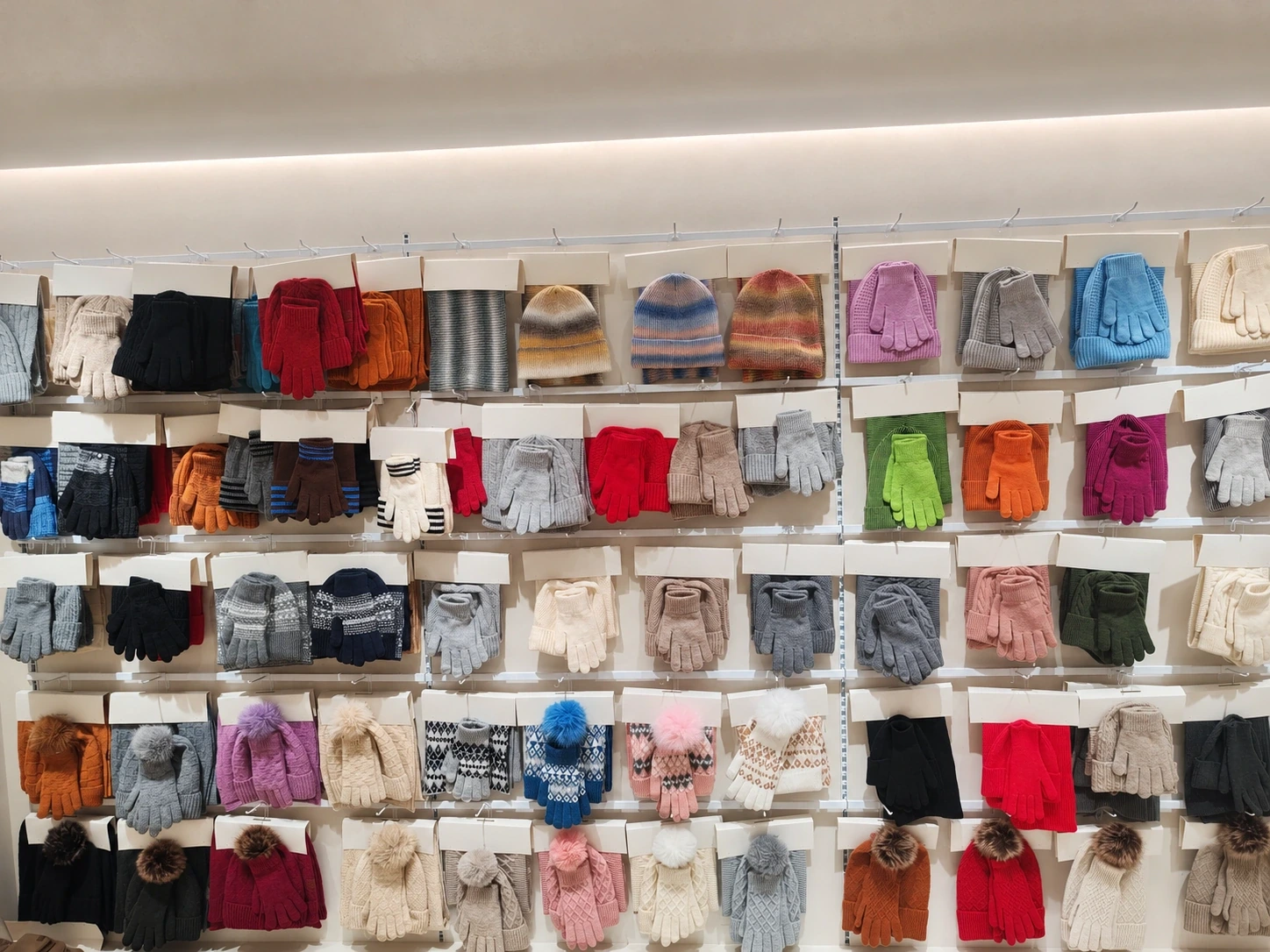
OEM & private label collection
Custom knitted glove manufacturing for apparel and accessories brands. Develop private label knit gloves around your yarn composition, knit structure, cuff, graded sizes and color plan.
Developed in our own factory for business buyers. The collection introduces material and construction possibilities; your brief can extend beyond the styles shown.
Make the shortlist
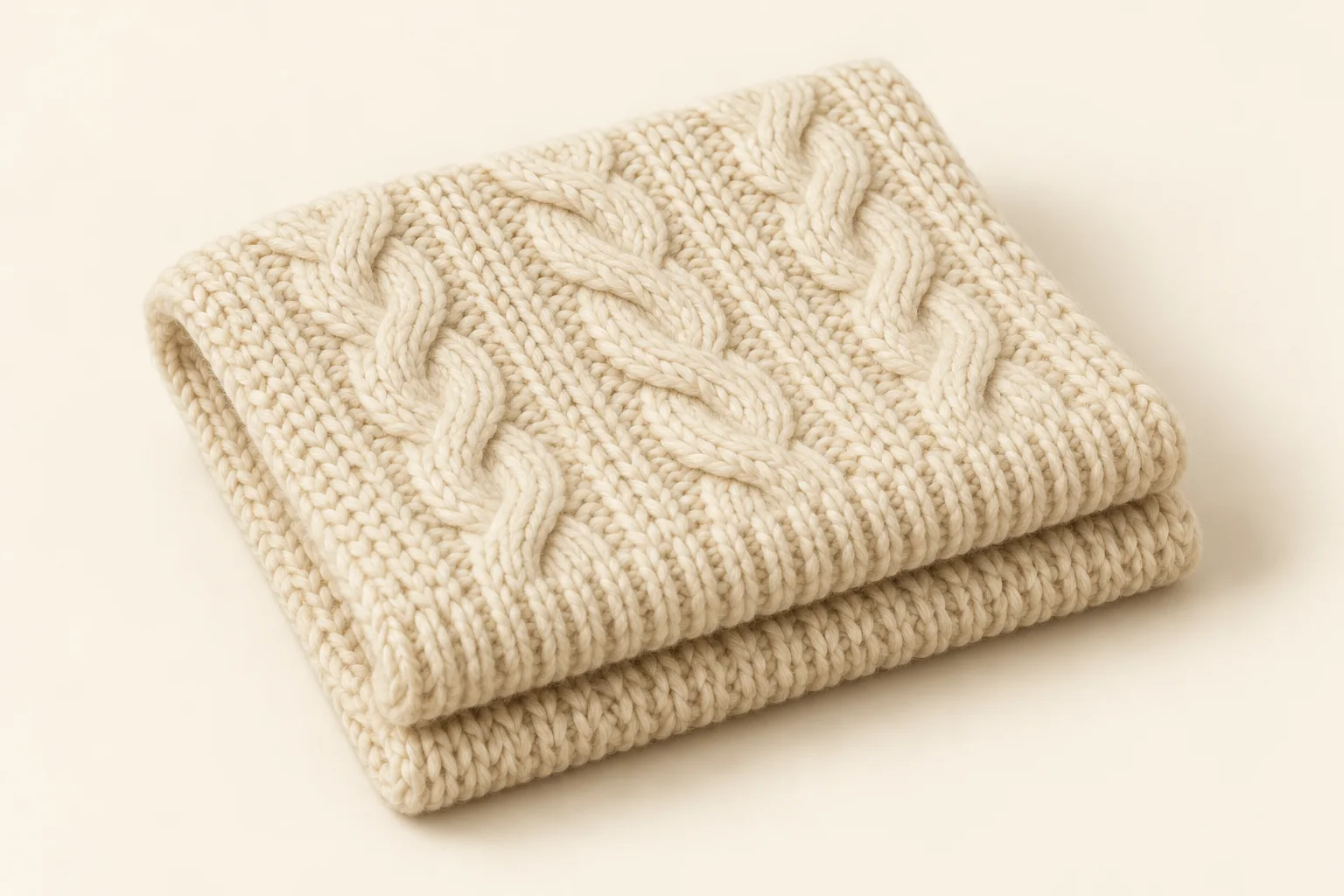
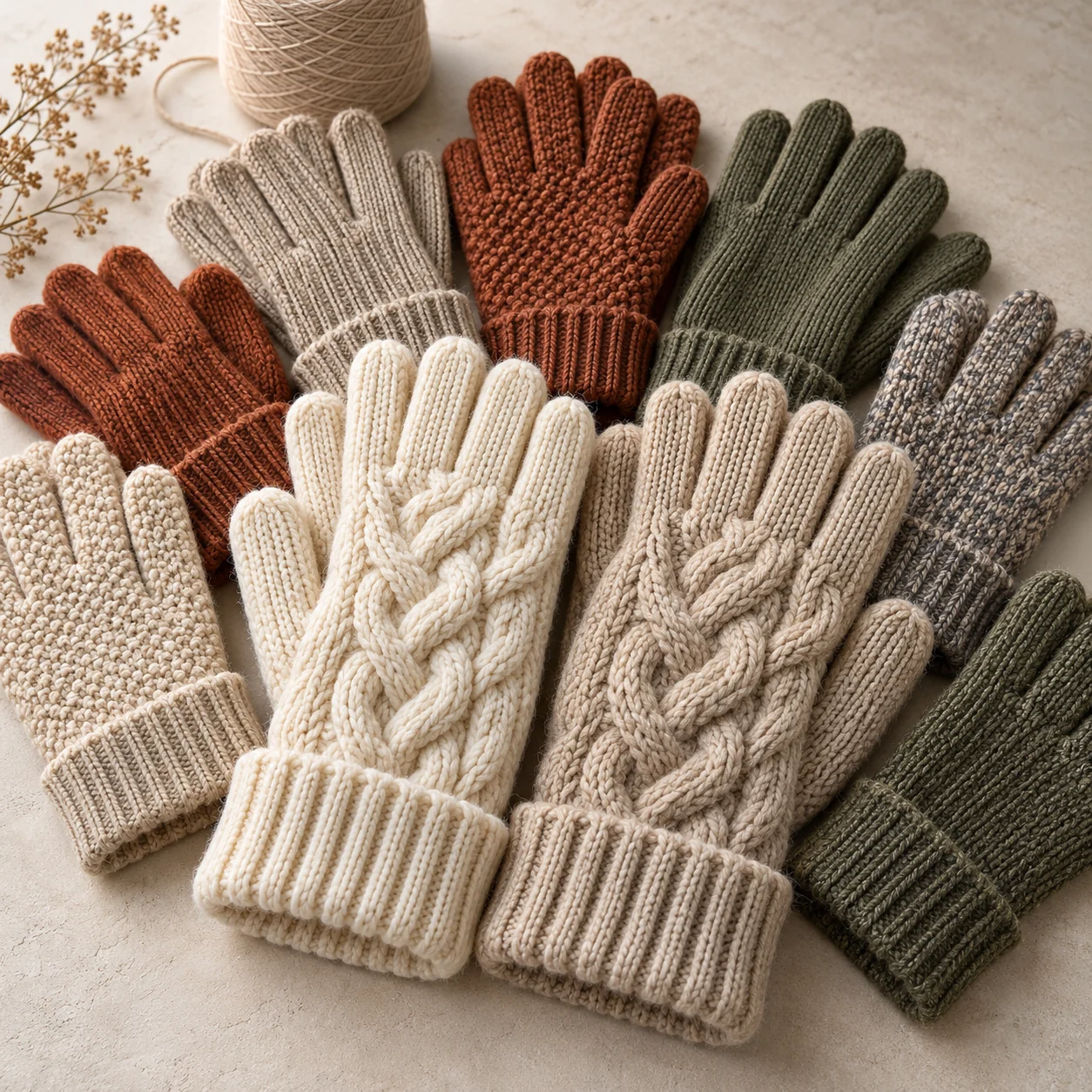
Compare plain, cable, two-tone and foldover directions. Begin with the body and cuff relationship, then select the yarn and label treatment.
If the visual identity comes from panel seams or a structured leather surface, compare those construction routes before settling the knit brief.
Compare the construction choicesSelected development directions
Compare knit structure, cuff construction and the way yarn choices affect the sample.
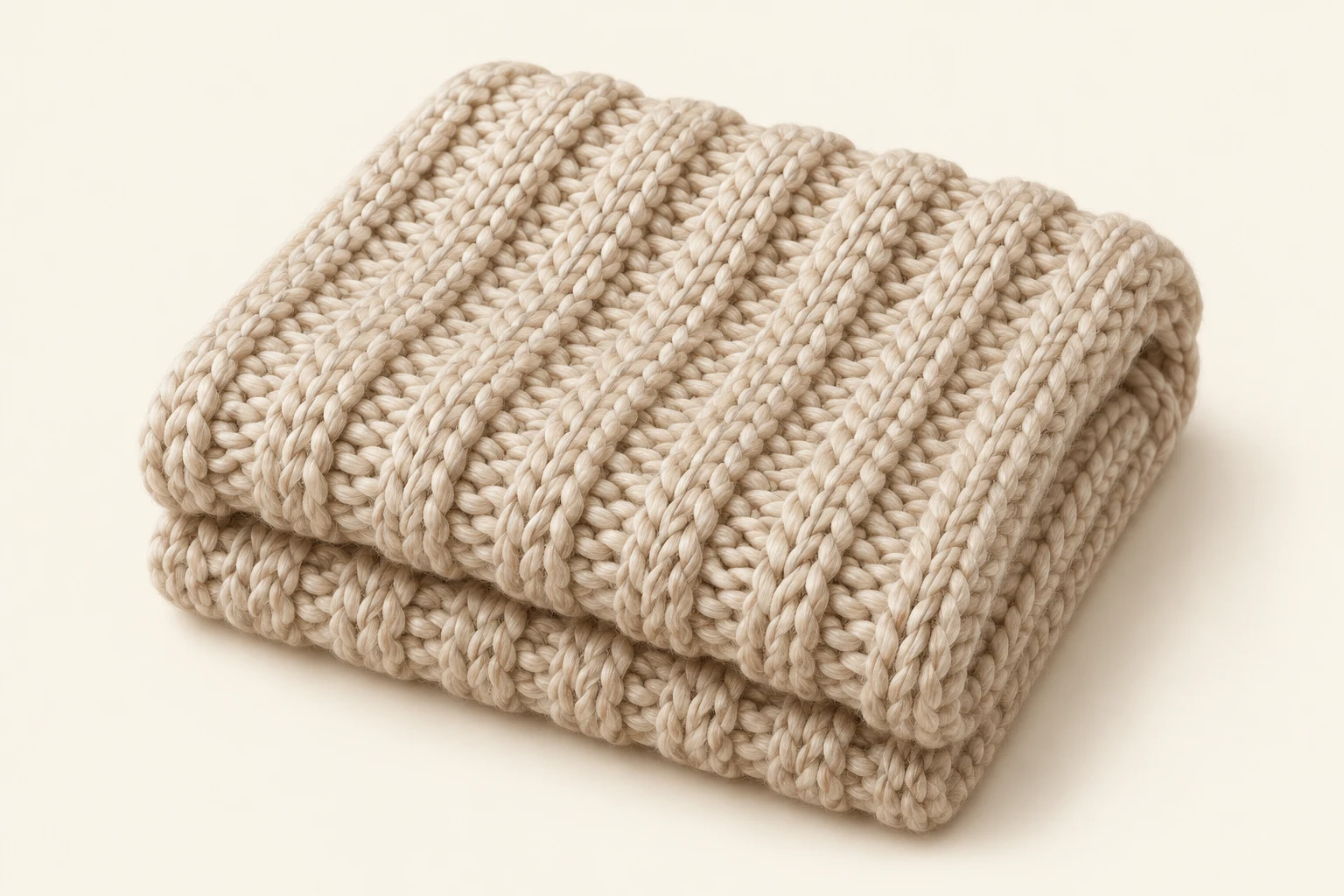
Plain knit body / rib wrist
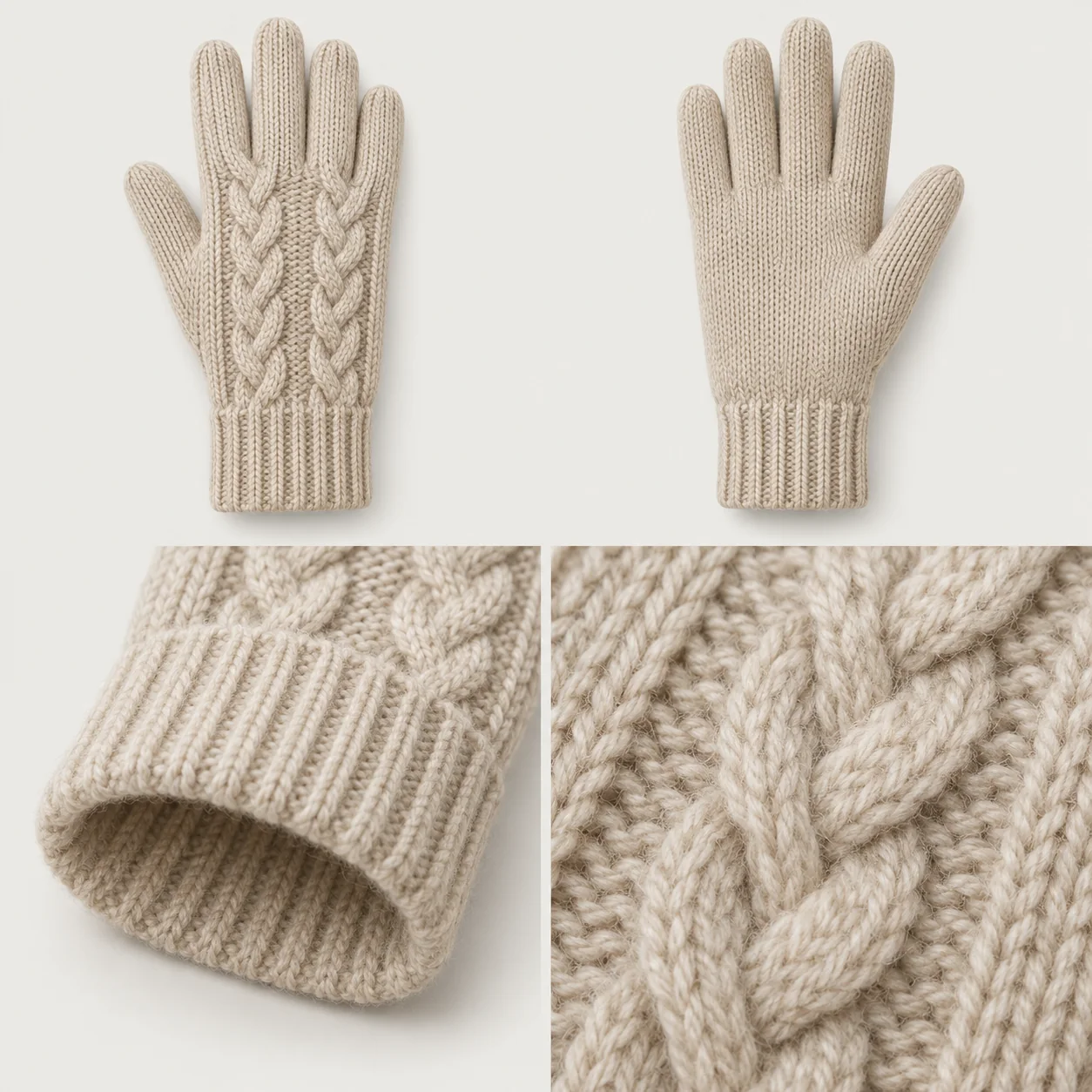
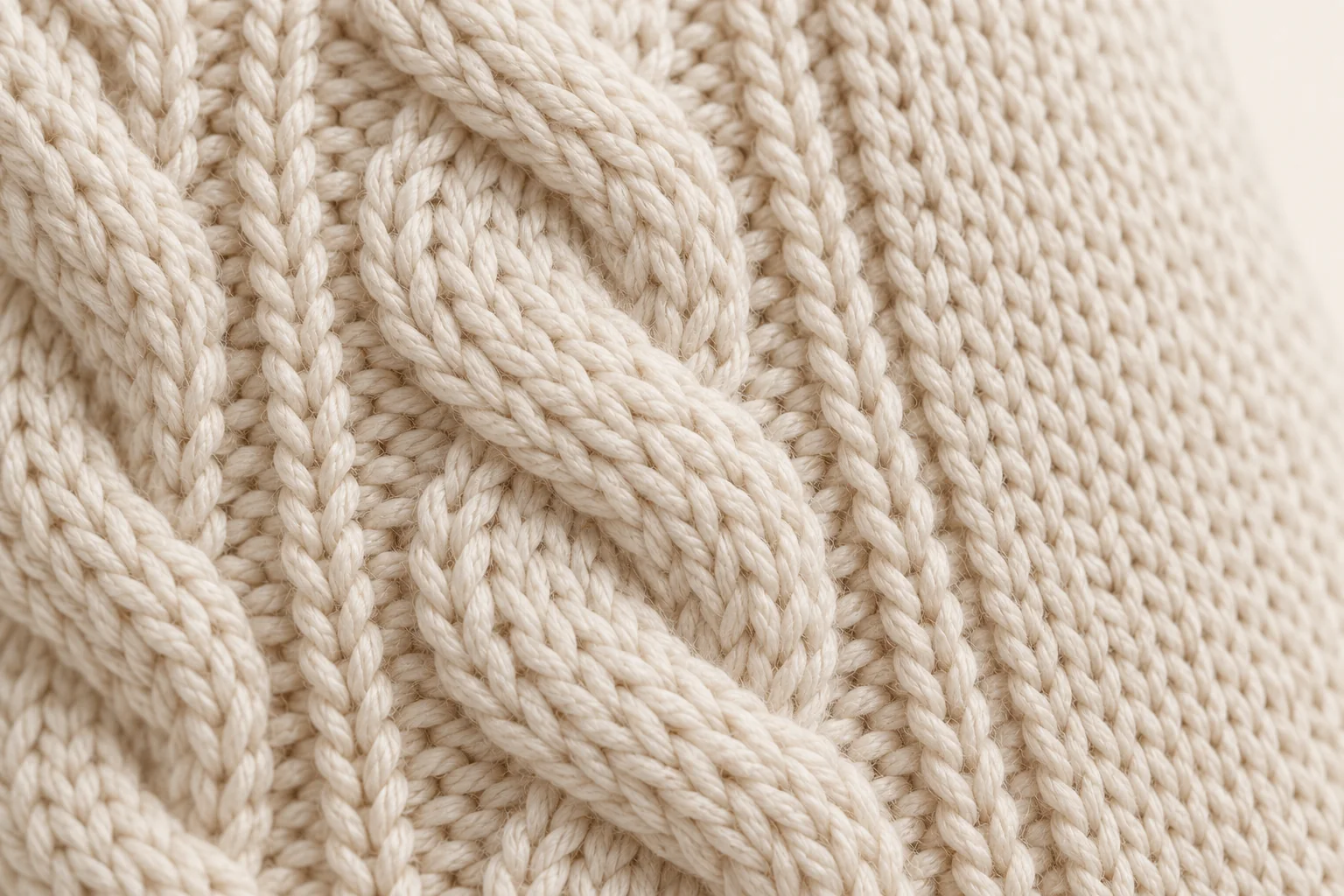
Cable hand back / plain palm
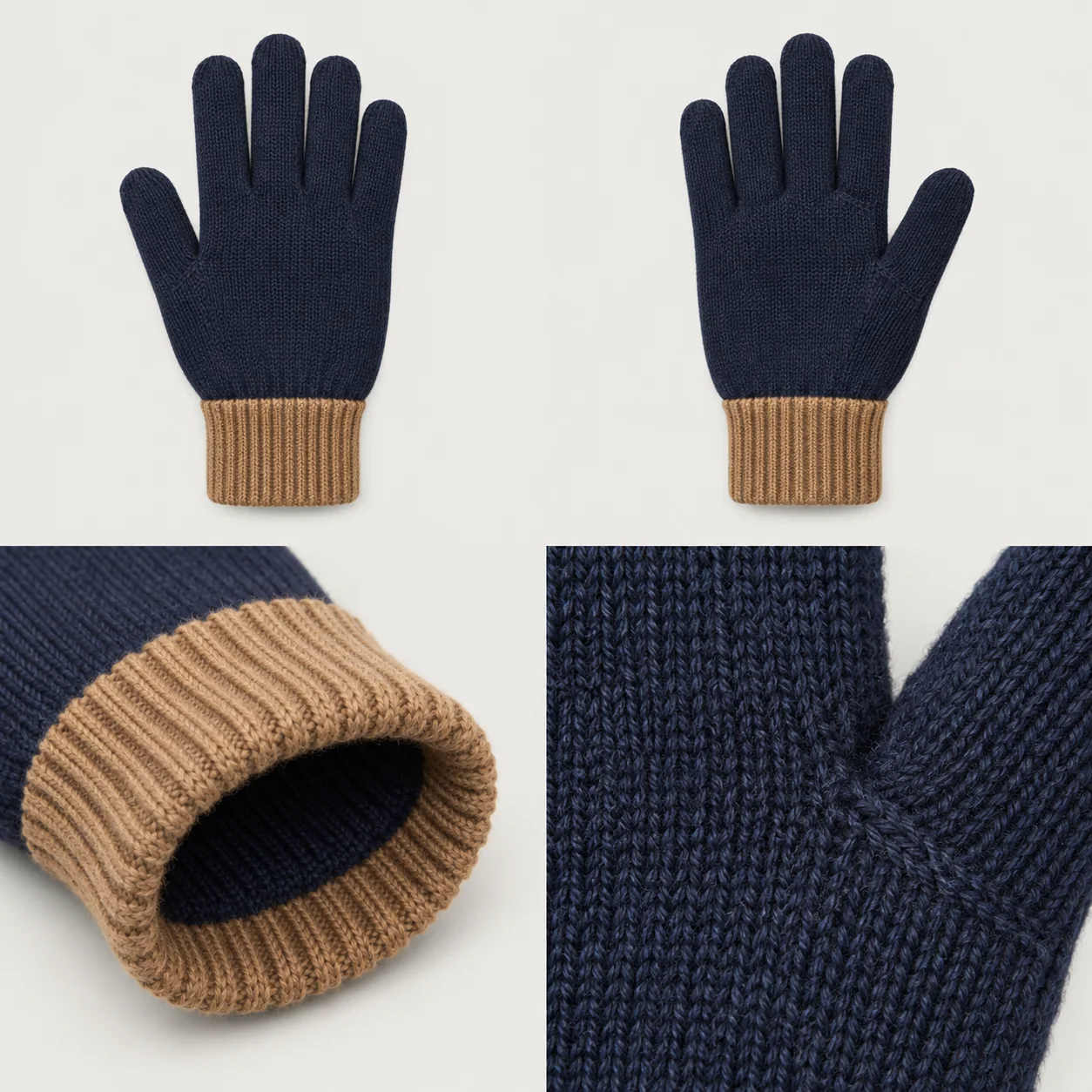
Single-color body / contrast rib cuff
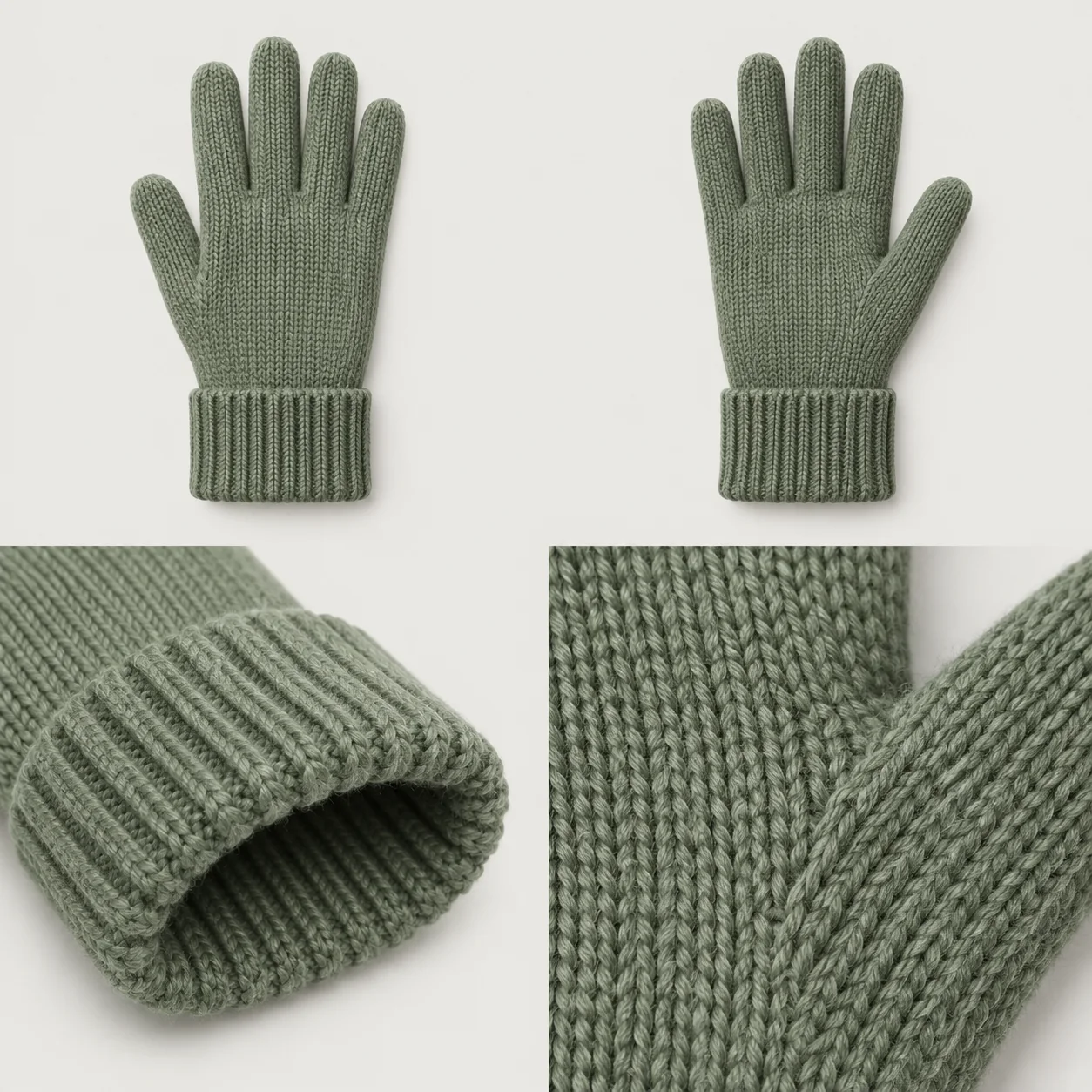
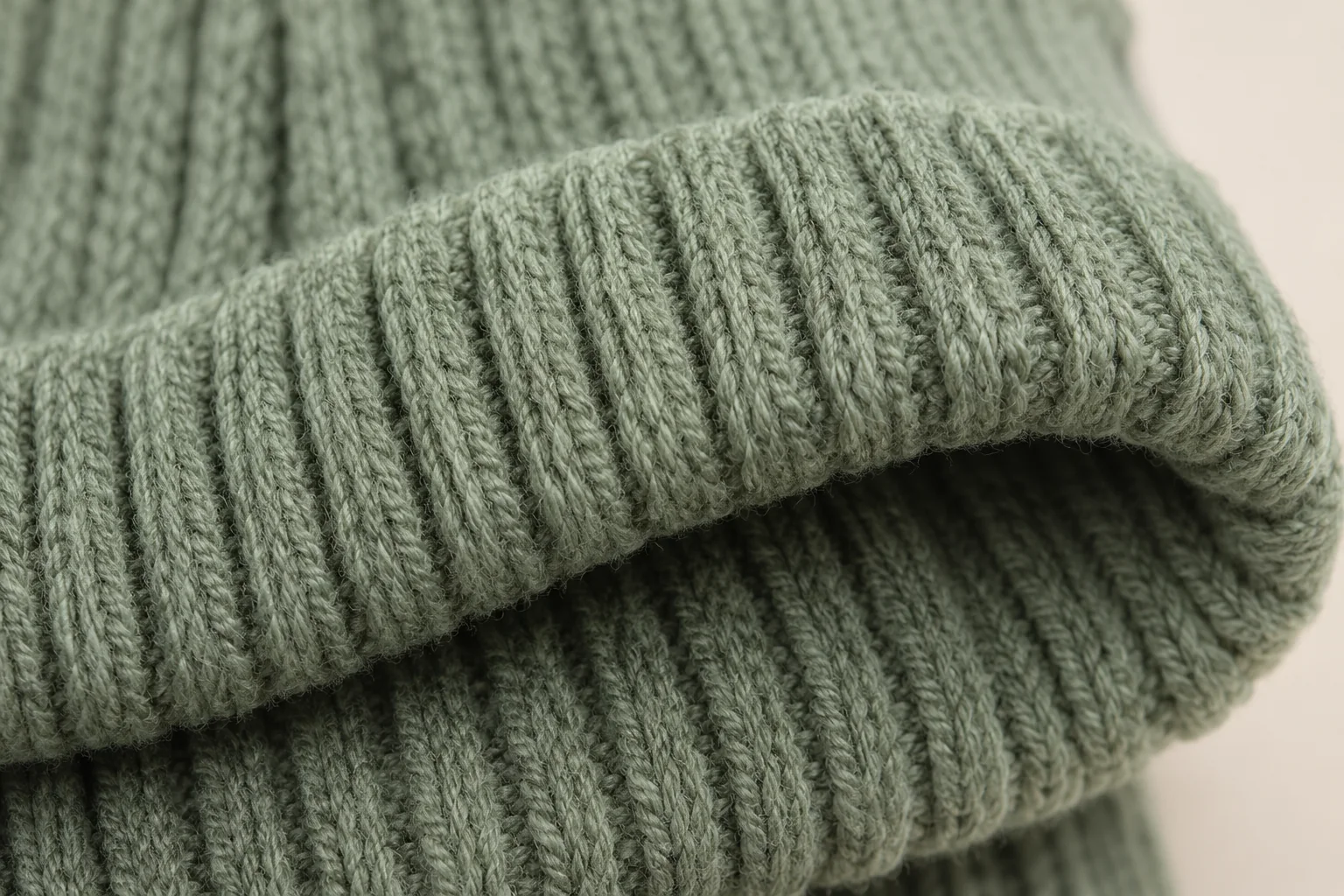
Knit body / foldover rib cuff
Material to glove / our own factory
Compare the surface, pattern and wrist together. Our factory develops the knit around your collection, then confirms the yarn and construction through sampling.
Choose a direction to compare the material with its glove detail.
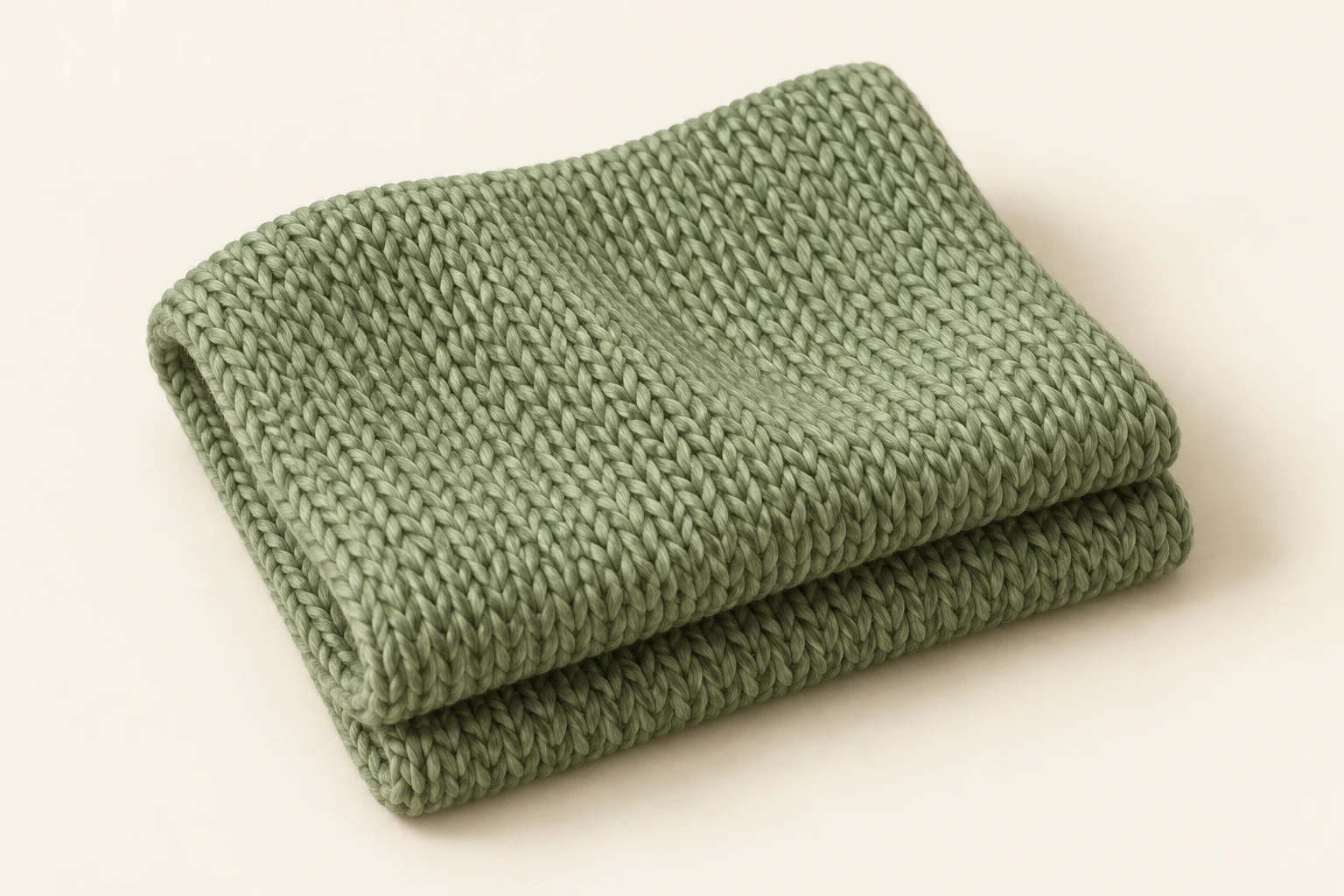
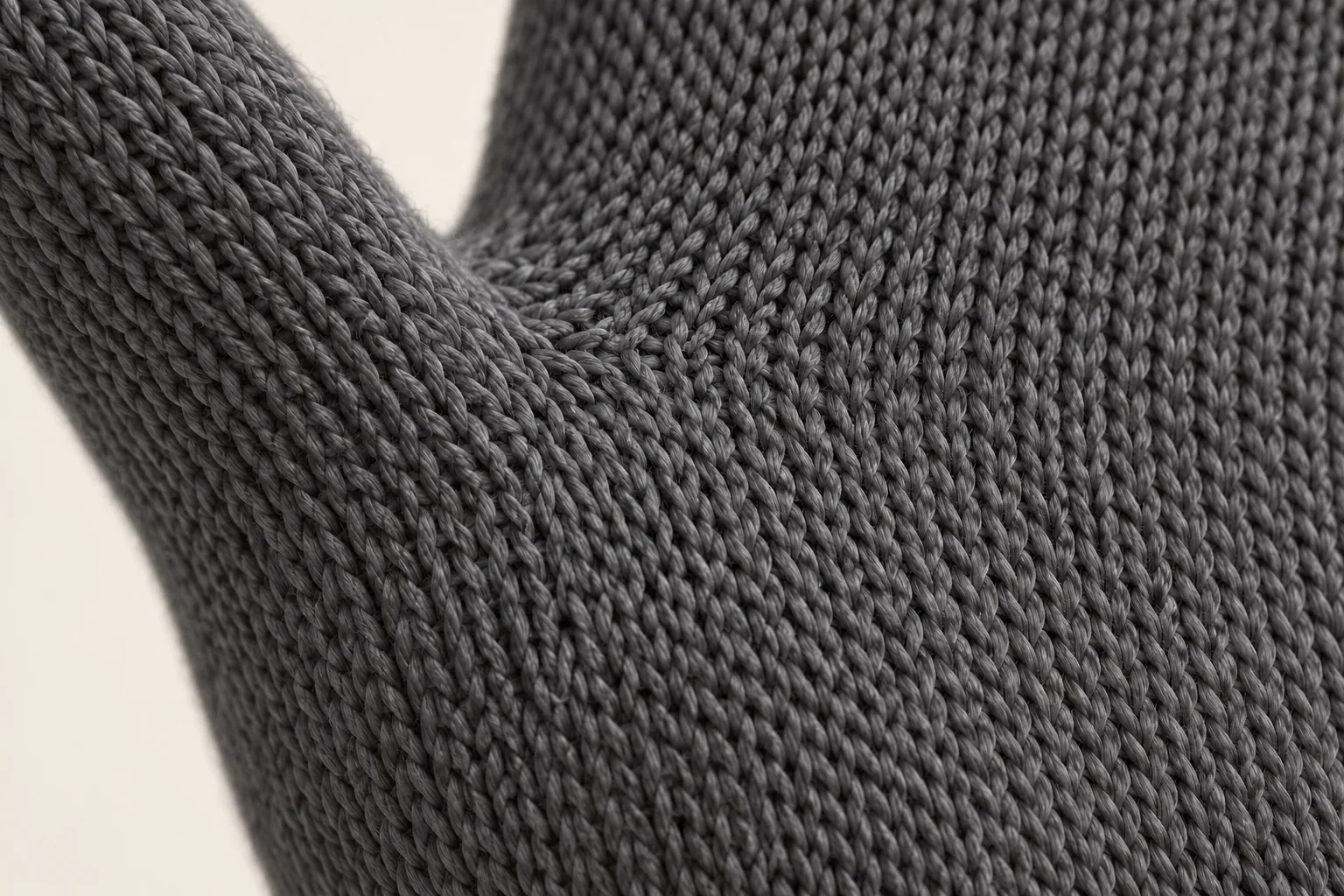
A plain body makes yarn character and stitch regularity easy to compare. Review the same yarn at the fingers and where the body meets the cuff.
Confirm composition, physical color and the finished knit reference.
Explore this constructionDevelopment decisions
Develop a knit glove assortment around yarn, structure and fit. Start with the hand feel and appearance your collection needs, then agree a yarn reference and a sample that make those requirements measurable. Material and process options below are subject to sourcing review and sample approval.
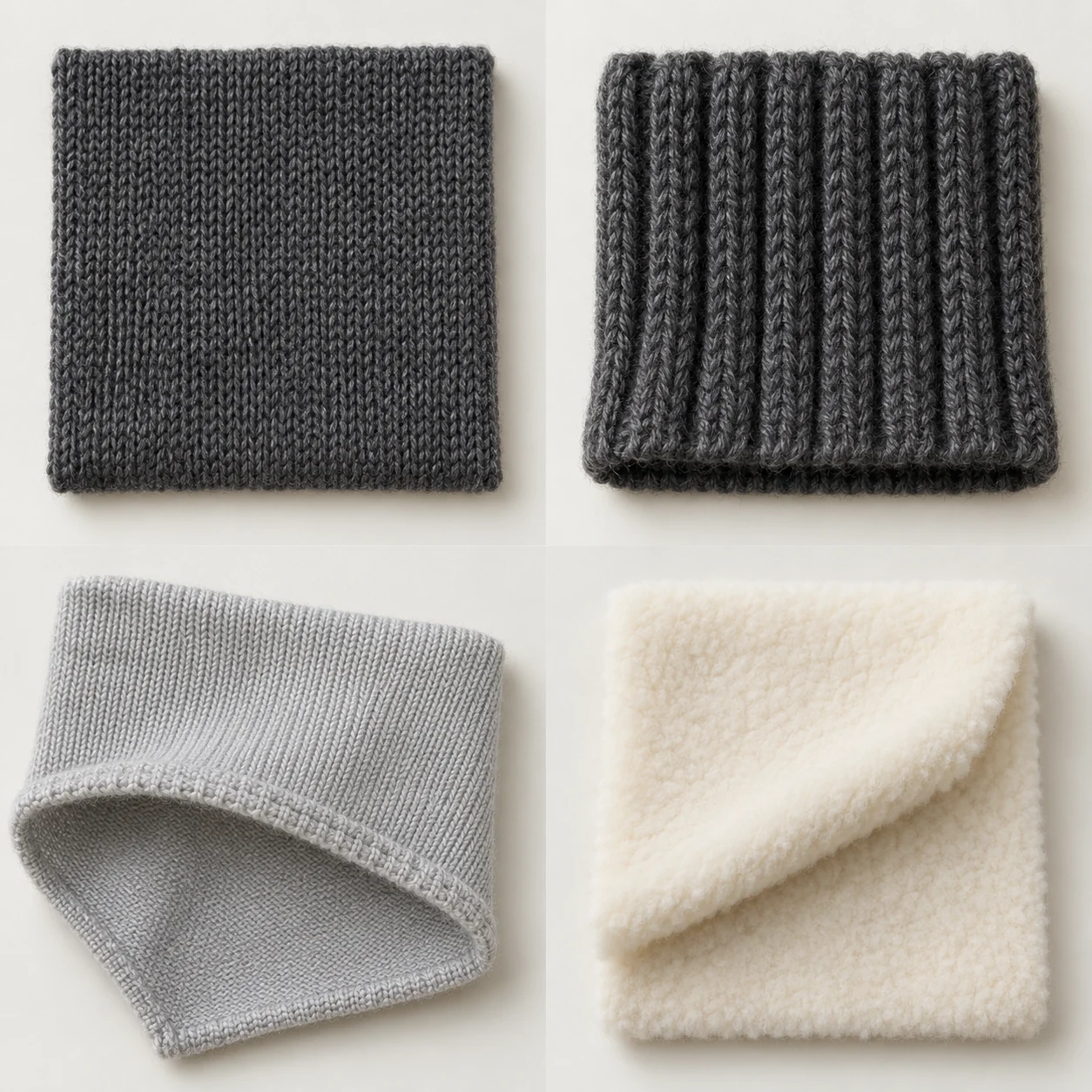
Discuss acrylic, wool blends or another specified yarn composition against your target cost and hand feel. Record the blend, yarn reference and approved swatch together; changing the yarn can change the appearance of the same color.
Review on the complete sampleCompare plain, ribbed and patterned knit directions using a reference sample. Agree the measurement method, relaxed dimensions and intended stretch before grading the size range.
Review on the complete sampleDefine cuff length, rib appearance and how the cuff sits on the wrist. Review the glove opening and finger proportions together so that a cuff change does not create an unintended fit change.
Review on the complete sampleReview a woven label, embroidery or another proposed application on the chosen construction. Approve placement and the reverse side of the sample as well as the visible artwork.
Review on the complete sampleThe specification file
Use these checkpoints to separate what you request from what must be confirmed before production.
Include in your briefState the intended fiber blend and hand-feel reference. Flag whether an exact composition is mandatory.
Confirm on approvalLink the yarn identifier and written composition to a retained knit swatch and the finished sample version.
Include in your briefSupply a pattern image or physical reference; discuss achievable structure and density during development.
Confirm on approvalA sample showing the agreed pattern, coverage and surface appearance.
Include in your briefList hand length, width, finger lengths and cuff opening with the proposed measurement method.
Confirm on approvalA graded size chart with agreed tolerances and a fit-reviewed sample.
Include in your briefProvide physical color references and quantities for each style and color.
Confirm on approvalApproved yarn or knit color samples with identifiable reference codes.
Include in your briefSpecify cuff length and submit logo artwork, application size and position.
Confirm on approvalA finished sample with the selected cuff and branding.
Include in your briefProvide destination-market label requirements, care wording for review and packing instructions.
Confirm on approvalFinal label artwork and a confirmed assortment and packing sheet.
Editable worksheet. Add your actual material references, observations and approval decisions.
Download the TXT worksheetFrom reference to release
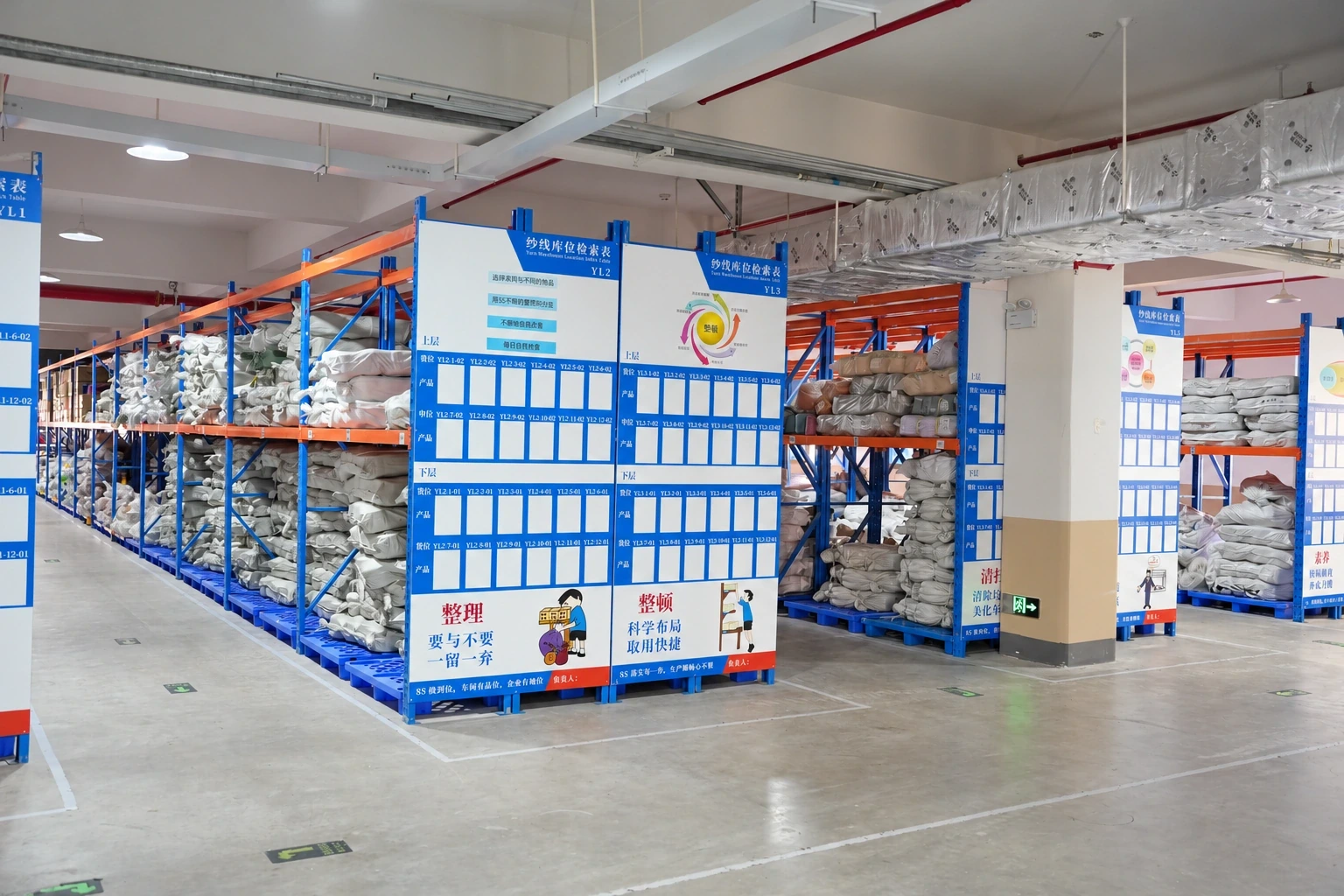
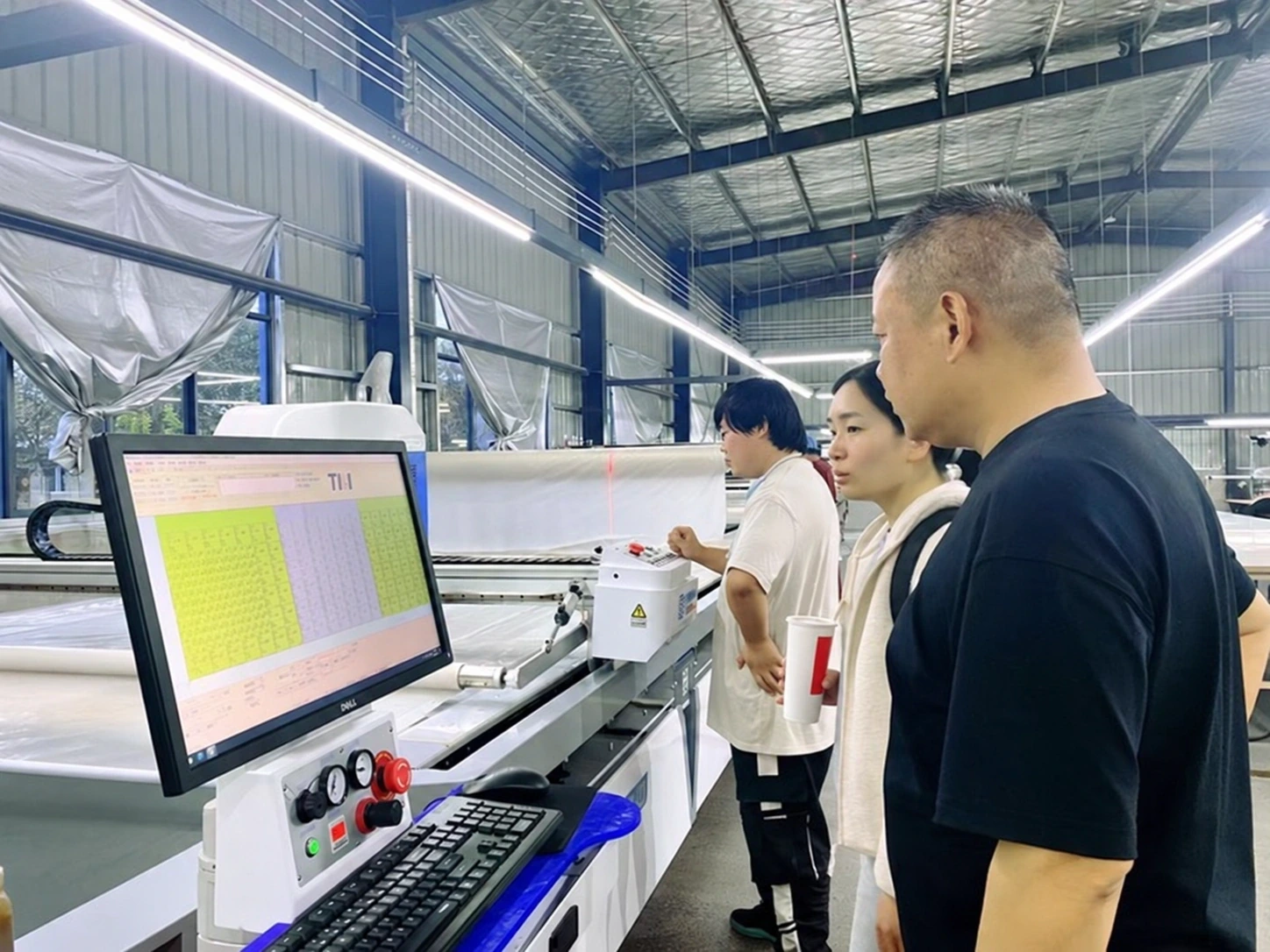
Our own factory prepares the yarn, knits, finishes and inspects your gloves. Build the order file around the same material and sample identifiers so a yarn or stitch change can be reviewed on the finished pair.
Record the main and cuff yarn references, stated composition and its source, color references and knit revision. Give the physical swatch its own identifier.
Connect that swatch to a dated glove sample and size sheet. Record the finishing state, measurement method, cuff recovery observations and left/right review.
Keep the applied label or other branding, its placement and artwork revision with the approved cuff and packing instructions. Review replacements against the same sample file.
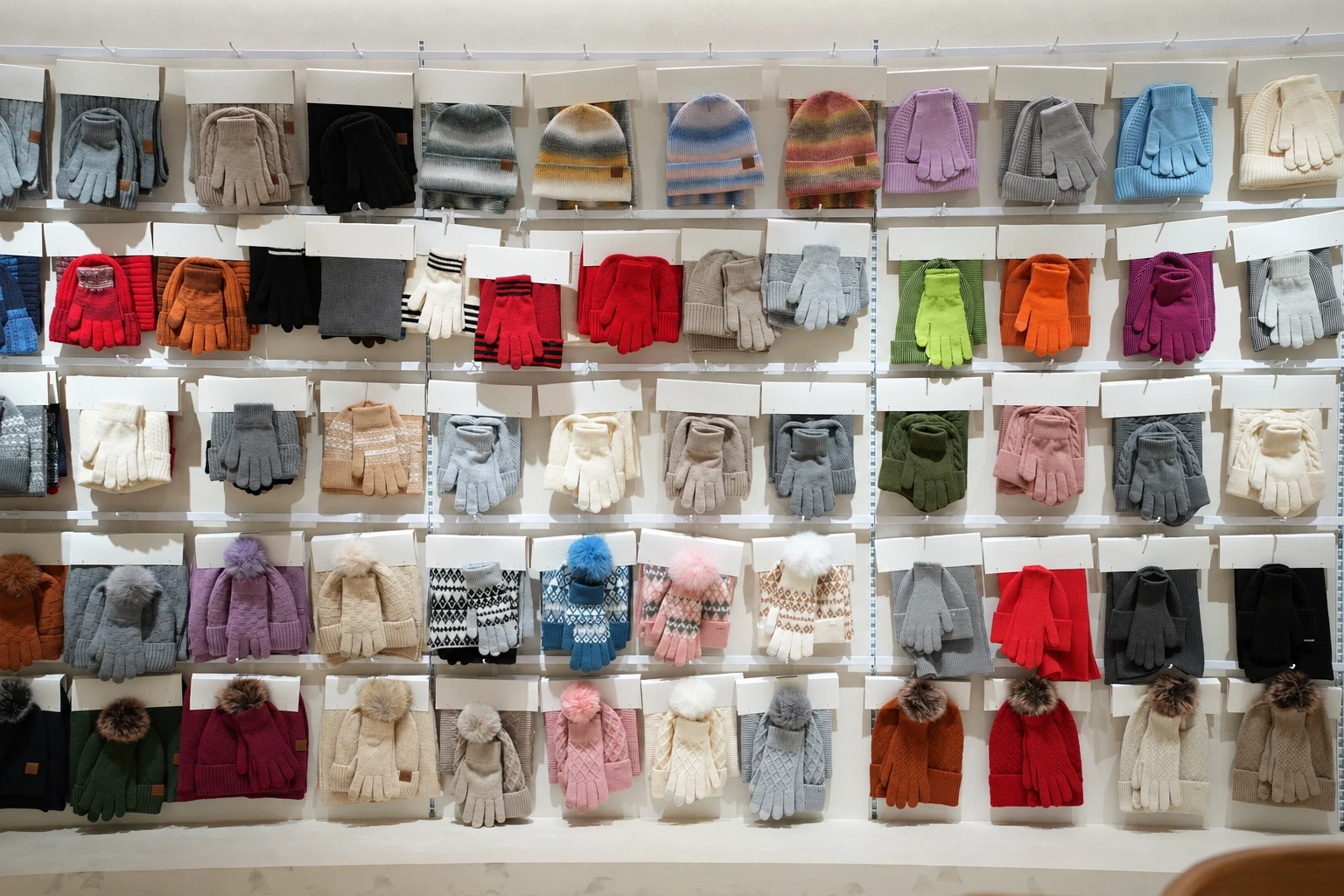
Factory process / In-house production
Connect the chosen material and construction with the work that follows. Our own factory carries out production, brand application, dimensional inspection and packing around your approved construction.
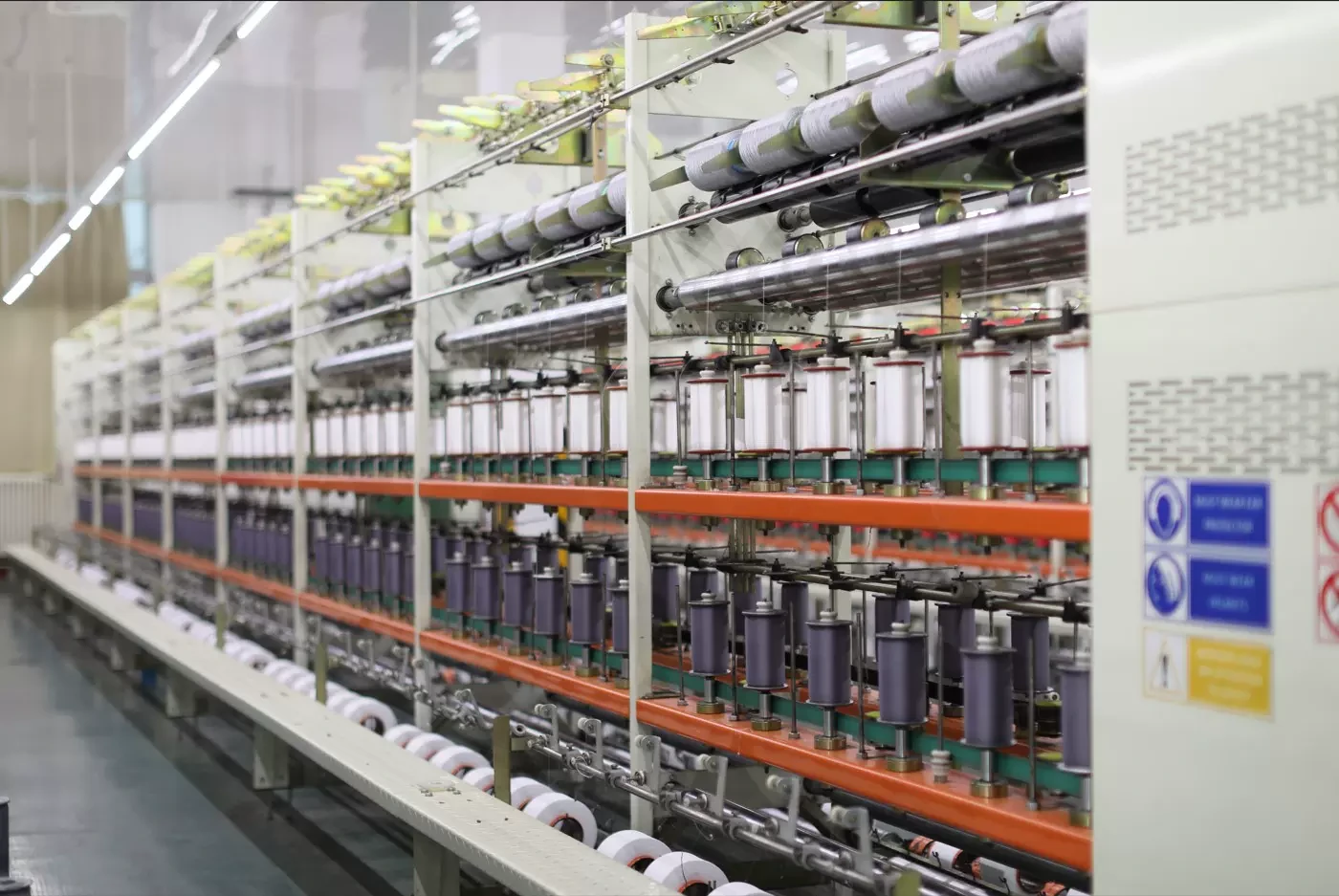
Identify the selected yarn and color for each style. Keep cuff or contrast yarn requirements in the same material file.
Agree yarn identifiers and color references before the sample is approved.

Bring body structure, finger shape and cuff proportions into the production reference. Record size measurements in the agreed material condition.
Review knit appearance, inside finish, cuff recovery and paired proportions.
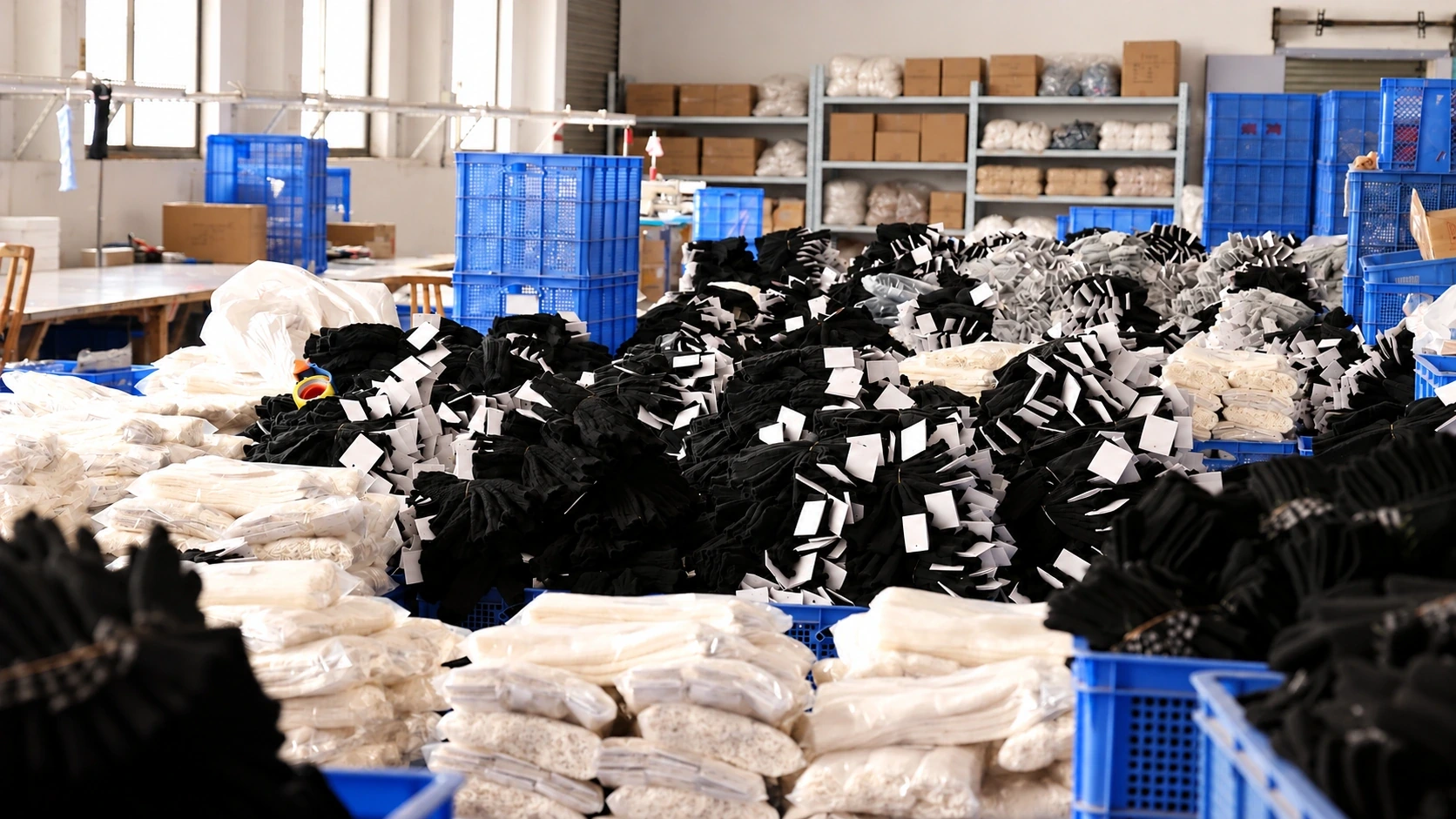
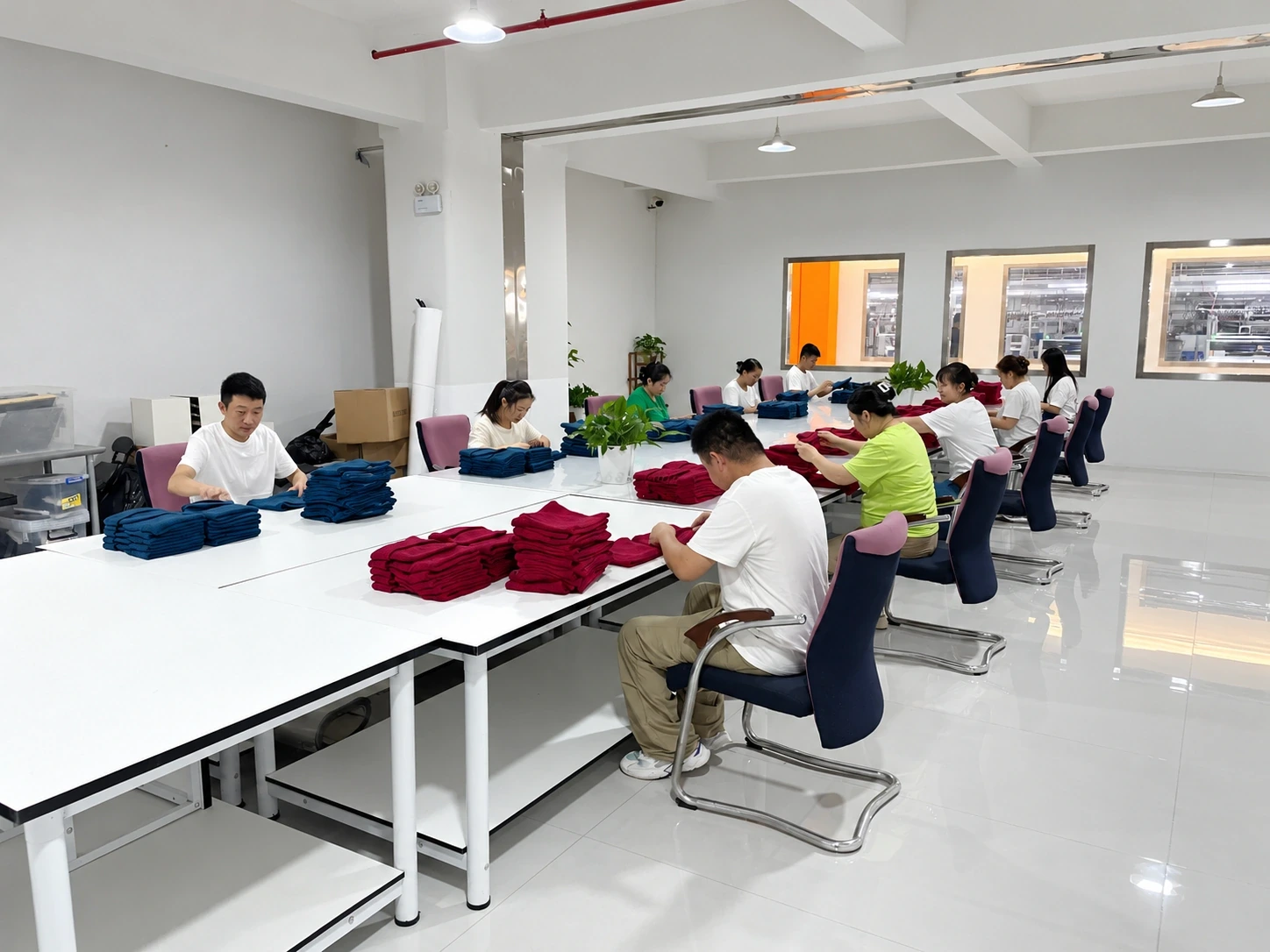
We carry out full inspection of finished pairs. Keep the approved workmanship, measurements, labels and packing instructions together when preparing the order.
Confirm style, color, size, pairs per pack and carton identification before release.
Every pair is inspected, including dimensions. Nonconforming gloves are isolated, reworked and reinspected in our factory.
Working directly with our factory
Move from collection choices to a clearly defined OEM or private label order. The cooperation process keeps buyer decisions and factory work connected.

A defined development scope.
A quotation tied to one specification.
A complete glove with resolved revisions.
Written approval for the production version.
Accepted pairs for the agreed assortment.
A defined handoff and reorder reference.
Buying questions
Send the sample with the changes you want, your target yarn composition, size chart and color plan. The team can review construction and sourcing feasibility before quoting development. Keep an approved sample and written specification as the bulk-production reference.
The minimum is 300 pairs per style per color. Different colors are counted separately. Provide the size breakdown within each style and color so the final assortment can be confirmed; quantities are stated in pairs.
Agree whether measurements are taken relaxed or under a defined stretch, and identify each measurement point. Review the proposed size range on samples. A photograph or a generic small, medium or large label alone is not a production size specification.
Conductive yarn or fingertip details can be discussed during development. Identify the intended fingers and device set, then review the agreed interaction on the sample. Touchscreen performance is subject to that construction and approval, not assumed for every knit glove.
Yes. Specify cuff length, opening and how a folded cuff is positioned during measurement. Review the cuff-to-body transition and recovery on the complete sample. Record the measurement condition so successive reviews are comparable.
Identify the structure, pattern placement and color boundaries in the brief. Review repeat appearance, finger proportions and the transition into the cuff on the physical sample; keep the selected yarn and color references with that version.
Every finished pair is inspected against the approved requirements. Define the expected knit appearance, loose-end and seam finish, cuff construction, pairing and measurements. Any additional material or care assessment is agreed separately.
Review the proposed label, embroidery or other brand application on the actual knitted structure. Confirm its position, attachment, inside finish and effect on stretch. Artwork approval alone does not confirm the finished application.
Give each style and color a clear identifier and list the size quantities within it. Confirm the color of the body, cuff and contrast areas separately where needed, then match those identifiers to labels and packing instructions.
Treat the yarn change as a material revision. Review its effect on structure, hand feel, stretch, dimensions and cuff behavior, then agree whether a revised sample is needed before approving the new order.
A project for your brand
Send the reference, materials, size range and quantity per style and color. Include your destination and required arrival date.
Preparing your project brief…